
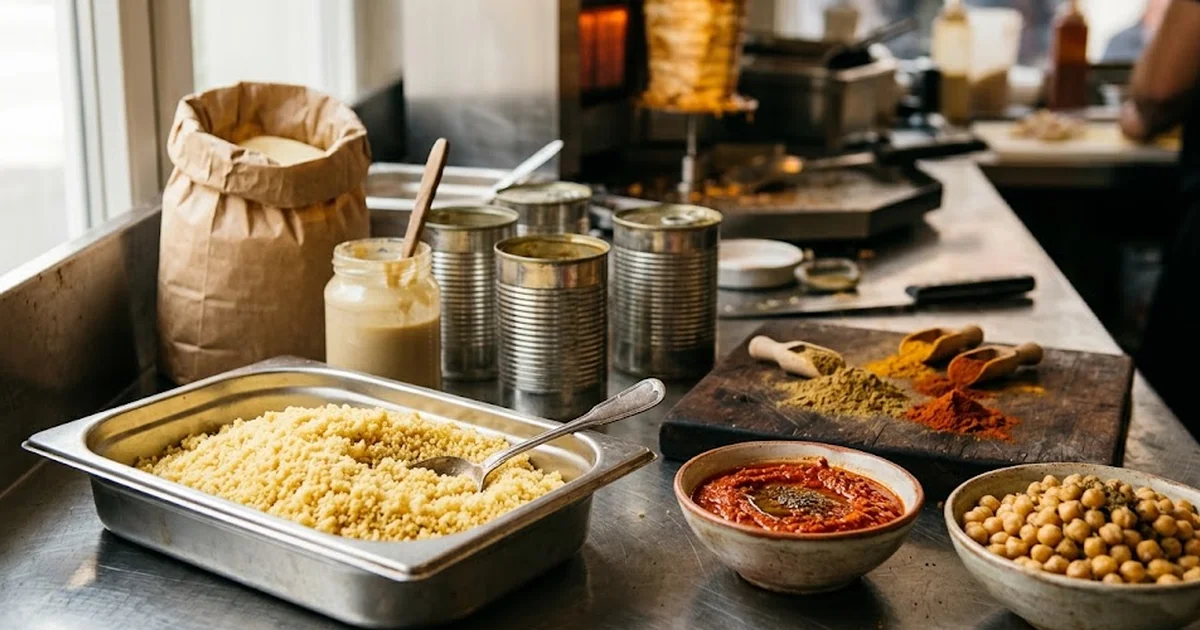
Snack et kebab : la gamme sèche qui tient le service
B2B dry grocery wholesaler for snacks and kebabs: semolina, oils, spices, sauces, and foodservice canned goods. Bulk procurement by the case or pallet for SIRET-registered businesses.
The Essentials of Dry Grocery for Snacks and Kebabs: Mapping Service Needs
In the fast-casual dining sector—from traditional döner kebabs to Mediterranean sandwich shops, tacos, and hot bowls—service cannot afford any slowdowns. During peak lunch and dinner rushes, the pace demands a meticulously organised operation where every action must be immediately effective. While fresh meats, spits, and raw vegetables often grab the immediate attention of kitchen staff, it is dry grocery that forms the true operational and financial backbone of the business. A well-managed dry supply chain ensures flavour consistency, prevents catastrophic stockouts during peak hours, and protects gross margins through rigorously calculated portion costs.
Unlike perishable goods stored under controlled temperatures, dry grocery products benefit from long shelf life and high stability. They allow for the secure storage of large volumes without overloading positive or negative cold rooms, which are notoriously limited in urban kitchens. To meet the demands of SIRET-registered snack professionals, the dry range must cover every stage of production, from the morning marinade of spits to the on-the-spot assembly of sandwiches and meal trays.
- Staple starches and grains: durum semolina in various sizes for quick couscous and hot sides, parboiled long-grain rice, and dried legumes essential for making falafels or traditional soups.
- Technical fats: high-performance frying oils designed to withstand repeated temperature spikes in fryers, and seasoning oils—vegetable or extra virgin olive—for sauces, marinades, and plate finishes.
- The spicy condiments and mother sauces: harissa concentrate in tins or buckets, red chili paste, sesame paste (tahini), and cold emulsion bases for crafting signature sauces that build customer loyalty.
- The pure spices and blends for marinades: ground cumin, sweet and smoked paprika, turmeric, coriander, granulated garlic, dehydrated onions, and pre-mixed ras-el-hanout for evenly flavouring meat slices.
- Canned vegetables and foodservice preserves: pre-cooked chickpeas for quick hummus, crushed tomatoes, double tomato concentrate, grilled red peppers in strips, and ready-to-use sliced mushrooms.
- Canned fish: whole or flaked tuna in oil and sardine tins to enrich sandwich menus, seafood stews, or quick composed salads.
Semolina, Dried Legumes, and Starches: Volume, Yield, and Hot-Holding Performance
Selecting starches for fast-casual dining is a two-part equation: speed of preparation and expansion rate. Offering a hearty alternative to traditional frozen fries is a major differentiator for snacks and kebab restaurants. Semolina bowls, composed plates, and hot sides appeal to loyal customers seeking complete meals. The chosen size directly impacts hydration speed and product behaviour under hot-holding conditions.
Medium-grain semolina performs exceptionally well when steamed in a couscoussier or quickly rehydrated in hot broth before being held in gastronorm bain-maries. It doesn’t clump, maintains a light texture, and absorbs meat juices perfectly. For legumes, large-calibre dried chickpeas are the go-to ingredient for making homemade falafels that are crispy on the outside and tender inside after an overnight soak and blending with fresh herbs. Conversely, for a smooth hummus made in minutes without tying up a cooker for two hours, pre-cooked chickpeas in foodservice cans are the most rational choice for operators.
| Dry Ingredient | Foodservice Packaging | Average Expansion Ratio | Average Prep Time | Primary Use in Snacks & Kebabs |
|---|---|---|---|---|
| Medium durum semolina | 5 kg bag or 10 × 1 kg case | 1 kg dry yields 2.4 kg to 2.6 kg cooked | 8 to 12 minutes (steam or absorption) | Kebab plate sides, express couscous |
| Fine durum semolina | 5 kg bag or 10 × 1 kg case | 1 kg dry yields 2.2 kg to 2.4 kg cooked | 5 to 8 minutes | Homemade flatbreads, quick pancakes, desserts |
| Dried chickpeas (large calibre) | 12 × 1 kg case | 1 kg dry yields 2.1 kg to 2.3 kg rehydrated | 12-hour soak then direct blending | Artisanal falafel production for frying |
| Pre-cooked natural chickpeas | 12-jar case | Ready to use (immediate draining) | Immediate (0 minutes) | Quick hummus in a blender, salad toppings |
| Red lentils | 12 × 1 kg case | 1 kg dry yields 2.5 kg cooked | 15 to 20 minutes without soaking | Traditional hot welcome soups (Mercimek) |
| Tosya rice (pilaf rice) | 10 × 1 kg case | 1 kg dry yields 2.8 kg to 3.0 kg cooked | 15 to 18 minutes | Spiced pilaf rice for mixed plates |
The table above highlights the exceptional cost-efficiency of dry ingredients when properly processed. With an expansion ratio exceeding two and an extremely low raw material cost, starches allow for generous portions while keeping food costs very low. In a context of rising animal protein prices, enhancing a kebab plate with a generous serving of flavoured semolina or a duo of golden falafels immediately boosts the customer’s perceived value.
Harissa, Sauces, and Seasonings: Standardising Flavour and Controlling Heat
Seasoning is the signature element that transforms an ordinary sandwich into a must-visit destination. In fast-casual dining, customers seek bold aromatic intensity but, above all, absolute consistency. Finding the exact same flavour, sauce texture, and heat level week after week is the cornerstone of customer retention. This is where dry grocery and stable condiments play a pivotal role. As detailed in our guide to bulk Cap Bon harissa, selecting a high-quality concentrated paste determines the marinade’s performance and the power of cold-emulsified sauces.
For meats destined for on-site spits or poultry strips, incorporating freshly and evenly ground spices is essential. A precise blend of oriental cumin, Spanish sweet paprika, dehydrated garlic, and pulverised coriander ensures deep penetration into muscle fibres without burning during vertical cooking. Harissa—whether in 4/4 tins or 5 kg professional buckets—serves as the base for diluting oil-based marinades or crafting the most popular in-house sauces, such as samurai sauce or red hot sauce.
Palimex Expert Tip: In fast-casual dining, consistency in heat and texture is paramount. A returning customer expects the exact same aromatic intensity as during their previous visit. For meat marinades and assembly sauces, always opt for pure paste harissa in professional packaging and spice blends from controlled batches. This eliminates unexpected heat variations and overly thin marinades that drip during spit carving during peak rushes.
Beyond spicy sauces, pure sesame paste (tahini) is a strategic ingredient for establishments offering Levantine and Mediterranean specialties. Emulsified with a splash of iced water, lemon juice, and a hint of granulated garlic, it creates the essential tarator sauce for drizzling over hot falafels and grilled meat skewers. Purchasing these condiments in professional, airtight packaging ensures excellent shelf life at room temperature before opening and safe handling without premature oxidation.
Frying Oils, Seasoning Oils, and Canned Goods: Thermal Endurance and Foodservice Formats
Liquid fats and large-format canned goods complete the essential dry stock for smooth snack operations. In a kitchen where fryers run continuously for six to eight hours a day, choosing the right frying oil is not just a purchasing decision—it’s a thermal and financial management choice. A subpar or low-quality oil degrades prematurely, develops unpleasant volatile compounds, darkens fries, and requires overly frequent oil changes that heavily impact overall profitability.
For intensive frying, professionals opt for high-oleic sunflower oil or specially formulated vegetable blends that can withstand temperatures of 175°C to 180°C without foaming or smoking. Meanwhile, seasoning oils in 5-litre metal cans protect fats from light and air. These are reserved for mild marinades, cold sauces, and finishing touches on hot dishes. On the canned goods front, the range must combine robust metal packaging with quick service. In fast-casual dining, canned fish offers a healthy, flavourful, and waste-free solution to diversify snack offerings without burdening the perishable goods inventory.
- Filter frying oil every evening: removing carbonised breading and flour residues doubles the oil’s useful life and prevents off-flavours in fries and doughnuts.
- Monitor smoke point and colour: replace the oil as soon as it darkens excessively or starts smoking at normal service temperatures, ensuring perfect crispiness and minimal fat absorption by food.
- Prefer 5 L to 10 L metal cans for olive oil: opaque tinplate is the best defence against photochemical oxidation caused by kitchen artificial lighting.
- Size cans according to daily turnover: use 4/4 format for moderate-consumption ingredients and 5/1 format for high-daily-rotation products (crushed tomatoes for sauces, pre-cooked chickpeas for hummus).
- Immediately transfer opened can leftovers: never store an opened metal can in the cold; always transfer residual contents to a sealable food-grade plastic container and label it.
Large-format canned vegetables, such as marinated red pepper strips or pre-sliced drained mushrooms, allow for generous garnishing of flatbreads, tacos, and hot sandwiches without requiring peeling or pre-cooking. This standardisation eliminates food waste and ensures teams save precious time during on-the-spot plating.
Inventory Management and Replenishment Cadence: Optimising Small Spaces
One of the major challenges faced by snack and kebab operators is the cramped configuration of storage areas. In most city centres and dense commercial zones, every square metre of floor space is prioritised for dining areas, sales counters, or hot prep lines. Dry storage often amounts to a back room of just a few square metres or a mezzanine. In these conditions, haphazardly stacking semolina bags and oil cartons exposes the business to dry losses from damage, packaging tears, or exceeding best-before dates.
To maintain a functional and safe dry stock, strict adherence to the first-in, first-out (FIFO) principle is imperative. Every case of canned goods or bag of spices received must be stored behind already opened units or those from the previous delivery. Additionally, dry products must be protected from residual moisture on tiled kitchen floors and water splashes during end-of-service cleaning.
- Always elevate goods: place all semolina, legume, and starch bags on storage pallets or rot-proof plastic grids raised at least 15 centimetres off the floor.
- Maintain peripheral ventilation space: never press grain bags directly against cold walls to prevent condensation and clumping of flours or seeds.
- Set a reorder threshold for key items: define a critical stock level for each essential product (frying oil, harissa, kebab spices, medium semolina) corresponding to 48 hours of average activity, triggering automatic replenishment.
- Group product families by zone: dedicate one shelving unit to liquids and fats (oils, sauces in cans), another to heavy metal cans on the lower shelves, and spices on higher shelves away from steam.
- Keep packaging hermetically sealed: after each service withdrawal, reseal semolina bags with airtight food clips to protect the grain from ambient moisture.
Why Order Your Dry Range from a Dedicated B2B Wholesaler with SIRET Verification
Many independent restaurateurs still spend several hours each week visiting general supply stores or large retail chains. This practice wastes considerable time, causes unnecessary fatigue before service, and exposes the business to recurring stockouts of professional formats. By entrusting dry procurement to a specialist wholesaler reserved for SIRET-registered professionals, operators switch to a rational and cost-effective logistics system.
Access to wholesale pricing eliminates the intermediary margins of retail distribution. At a B2B wholesaler like Palimex, packaging is tailored to professional kitchen needs: 5 kg bags, 10 or 12 × 1 kg cases, sauce buckets, and 4/4 format canned goods, deliverable on pallets. This setup allows for ordering the entire dry range in a single centralised purchase, significantly simplifying procurement tracking.
- Guaranteed availability of authentic products:
- Finding pure Tunisian harissa paste, regular-grain couscous semolina, genuine sumac, or spice blends for oriental spits is often challenging in mainstream channels. Specialist wholesalers stock regional products and leading brands recognised by ethnic and Mediterranean cuisine artisans.
- Volume-based tiered pricing:
- Purchasing full cases or complete pallets significantly reduces unit costs for high-turnover items like sunflower oil, chickpeas, or starches, directly increasing the net margin of each dish sold.
- Traceability and professional compliance:
- Every delivered batch is strictly tracked for lot numbers, product data sheets, and minimum durability dates, ensuring operators complete peace of mind during hygiene and traceability audits.
- Logistics planning without unnecessary cash flow immobilisation:
- With regular delivery schedules and order minimums tailored to medium-sized snacks, restaurateurs smooth out cash outflows while maintaining sufficient stock levels to handle record weekend rushes stress-free.
Key Takeaways for Professionals: Building a Profitable and Responsive Dry Stock
In fast-casual dining, as in the kebab and Mediterranean snack sector, front-of-house performance depends entirely on the strength of back-of-house operations. Dry grocery is your kitchen’s shock absorber: it stabilises food costs against market fluctuations, ensures consistent meat flavours with perfectly dosed spices and sauces, and offers high-expansion menu additions with semolina and legumes. By replacing improvised procurement with structured orders from a professional SIRET-verified wholesaler, you save valuable time to focus on what matters most: customer satisfaction, fast order fulfilment, and continuous revenue growth.
Further Reading
Frequently asked questions
Everything you need to know about this topic.
A question?
Get in touch directly.

Marketing & Communications Manager — Palimex / Meyva
As Marketing & Communications Manager at Palimex / Meyva, Aude Moyne leads the company's communications and digital marketing strategy: editorial content, email campaigns and the promotion of its product ranges. Her experience at Palimex, a specialist in dried fruit, nuts, olives and spices for professionals, has given her in-depth knowledge of the products, their origins and uses, and the expectations of food-industry professionals. The blog articles are written or supervised by her, in collaboration with Palimex's sales and product teams whenever a topic calls for specific expertise.
Our advice related to Grocery & Recipes
 grocery
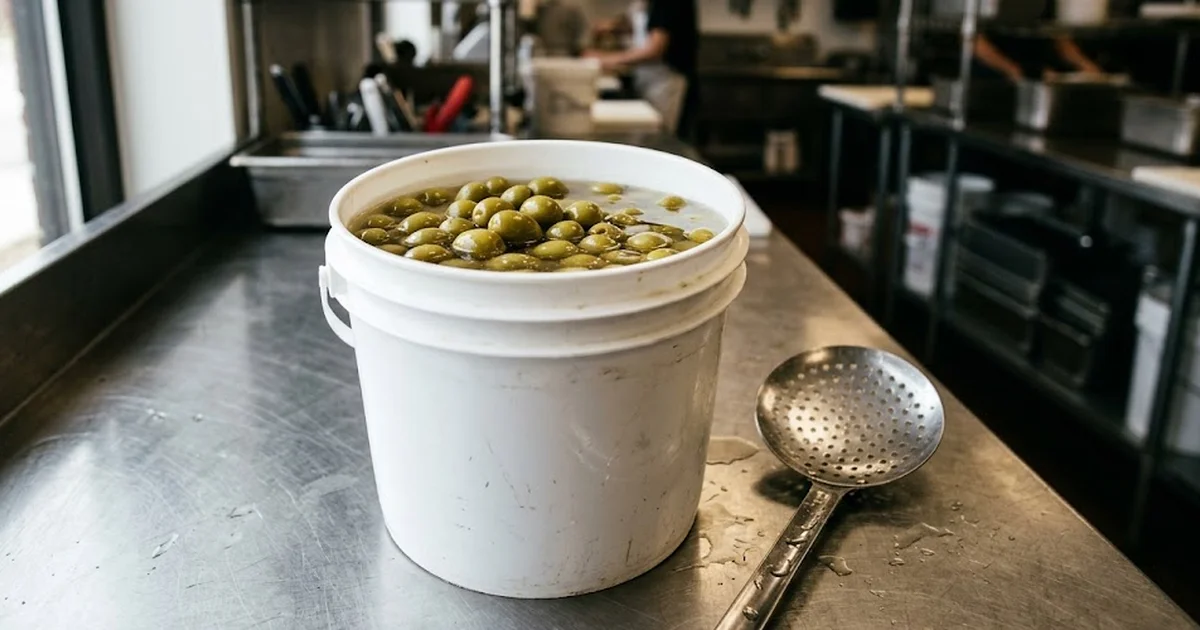
Seau d'olives entamé : durée de vie, saumure et gestion du reste
Comment conserver un seau d'olives entamé ? Rôle de la saumure, température, règles d'hygiène et gestion des tapenades : le guide professionnel Palimex.
 grocery
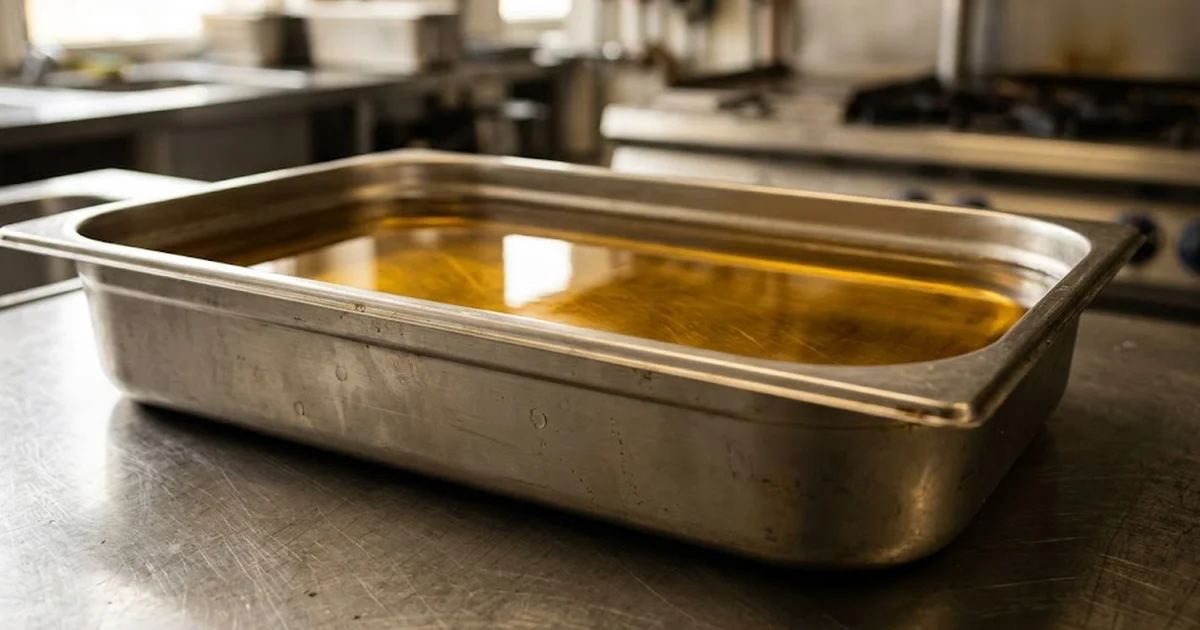
Huile de friture : point de fumée, cycles et fin de vie
Maîtrisez le point de fumée de vos huiles de friture, optimisez la durée de vos cycles de cuisson et gérez la fin de vie selon les règles de la restauration pro.
 grocery
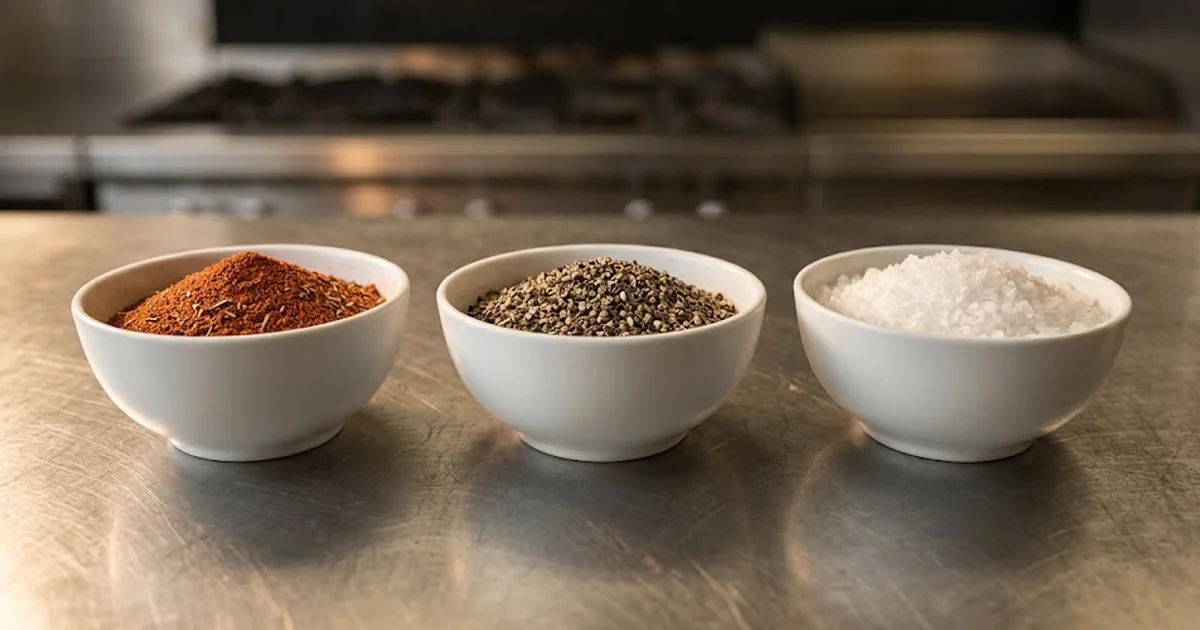
Espig Grill Spices for Foodservice: Range, Dosages and Culinary Uses
Professional guide to Espig grill spices for foodservice: blends, 1 kg and 500 g catering formats, dosages per kilogram and marinade techniques for meats and vegetables.