

Available products
376 references · page 1 / 16
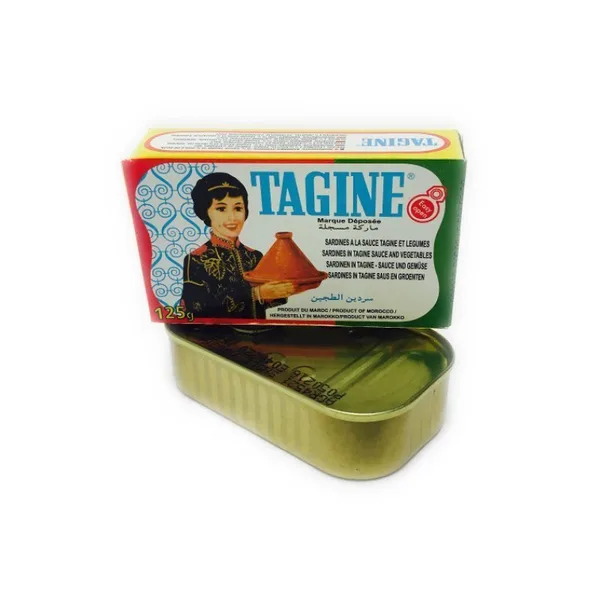

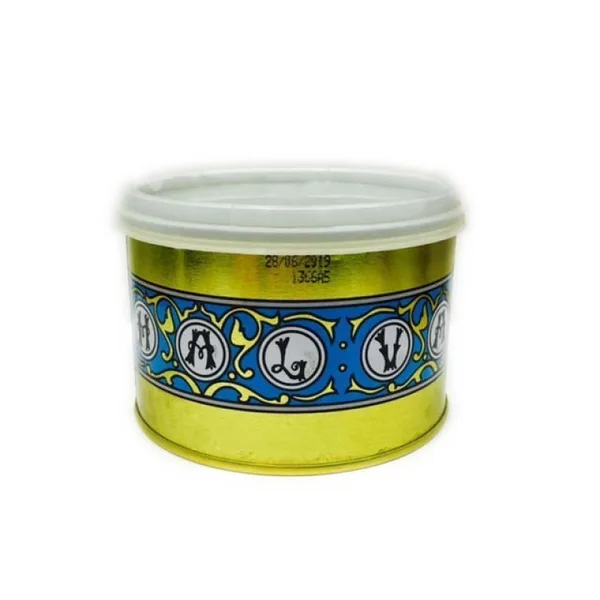


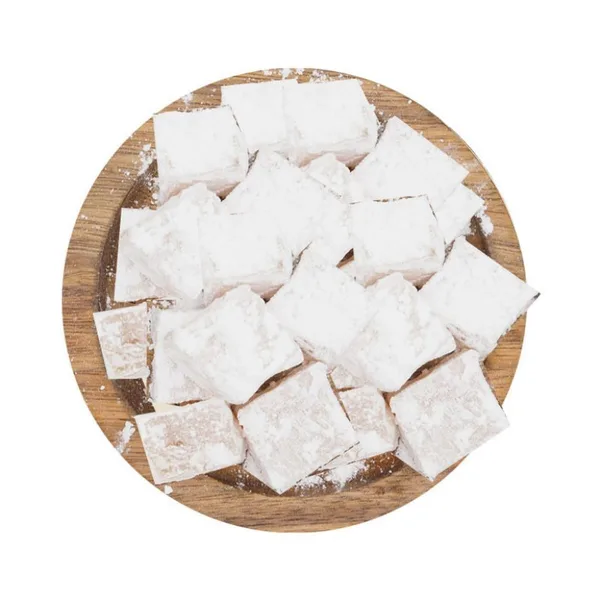


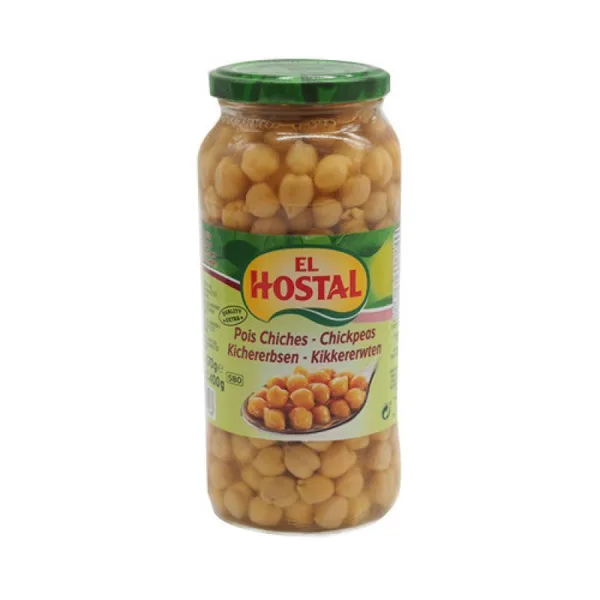





Looking for a wholesale dried fruit supplier?
I'm Jessica, your dedicated wholesale account manager.
Direct sourcing — Rungis and Bordeaux.
- ✓Direct sourcing from producers
- ✓Quality controlled (shelf-life, calibre, origin)
- ✓Next-day delivery in Île-de-France
- ✓Bulk, custom packaging, co-packing
- ✓B2B account with pricing tiers
B2B delivery & packaging
Rungis pickup
Pick up your order at our Rungis market depot. By appointment Monday through Friday.
Nationwide delivery
Delivery within mainland France and major European cities. Indicative lead time 24-48h.
Professional packaging
Bulk, 5 to 10kg buckets, 200g to 1kg bags
Frequently asked questions
Overview
An oriental aisle built for professional buying
Oriental grocery is not a side aisle: it is a purchasing family in its own right, with its own turnover rates, its own storage constraints and its own seasonal peaks. A restaurant serving couscous every Friday, a delicatessen running a North African shelf, a caterer preparing pastry platters for an event — these three trades do not buy the same volumes, but they buy from the same aisle. Palimex lists it as a coherent whole rather than as a collection of isolated items, so that a single order can cover dry grocery, chilled goods, sauces and confectionery in one shipment.
Sourcing relies on identified suppliers followed over time — Epika for compound spices, Colona for sauces and condiments, Zahra and Rif for halal deli meats, Rose de Tunis for pastries. Working with a limited number of suppliers per family is what keeps consistency from one batch to the next, and consistency is the first thing kitchens ask for when they build a menu around a product.
Product families and how kitchens use them
The aisle reads by use rather than by origin. Dry grocery — semolina, flours, broths — forms the production base. Oriental sauces, including harissa, act as seasoning and as the signature note of a dish. Couscous, semolina and pasta is the steadiest volume line. Rice and preserves and jars provide stock depth, with shelf lives that allow less frequent replenishment.
Chilled products and halal deli meats follow the opposite logic: fast turnover, unbroken cold chain, smaller and more frequent orders. Finally, oriental pastries and tea close the meal and carry strong seasonality, with sharp peaks around festive periods.
Product families in the oriental aisle
| Family | Key products | Packaging | Expected turnover |
|---|---|---|---|
| Dry grocery | Semolina, flours, broths | Bag, full case | Steady, high |
| Sauces and condiments | Harissa, compound sauces | Tin, jar, bucket | Steady |
| Couscous, semolina, pasta | Medium and fine couscous, pasta | Bag, full case | High |
| Halal deli meats | Air-dried beef, poultry products | Tray, chilled parcel | Fast, cold chain |
| Preserves and jars | Prepared vegetables, fish | Tin, jar, case | Slow, deep stock |
| Pastries and tea | Baklava, makrout, halva, teas | Tray, box, case | Seasonal |
Halal deli meats and chilled goods: the cold chain as a buying criterion
On chilled products, the decisive buying criterion is not the price per kilo but temperature control from end to end. Air-dried meat that has suffered a break in the cold chain loses its slicing behaviour before it loses its taste, and the defect often only shows when the pack is opened, at the end customer's premises. The professionals we supply therefore expect continuous positive-temperature shipping, a remaining shelf life on arrival long enough to cover their own turnover, and a batch identification that is legible on the outer packaging as well as on the sales unit.
These expectations translate into simple habits on receipt:
- Check the parcel temperature before signing the delivery note.
- Match the batch number on the delivery note against the one on the product.
- Record the goods-in entry in your food safety plan, with date and batch.
- Set aside immediately any unit whose packaging is pierced, swollen or soaked.
They are the same reflexes any HACCP plan requires for other perishable goods.
Importing, traceability and documentary compliance
Part of the oriental aisle is imported, which adds a documentary layer to the buying relationship. A professional who resells or processes these goods must be able to trace every batch back to its origin in the event of an inspection or an alert, and that obligation does not stop at the wholesaler: it passes down every link in the chain. The customs and food safety information attached to an imported batch is part of the product being sold.
A batch whose journey cannot be retraced is a batch that cannot be defended. At Palimex, the technical sheet and the batch identification travel with the goods, not after them. — The Palimex team
The rules applying to food imports and the documents required at each stage are published by the French administration on douane.gouv.fr. We provide, on request, the traceability records matching the batches you have received.
Packaging, logistics and replenishment
The aisle can be ordered from retail bags sold by the case, which lets a small operation trial a reference without tying up cash, then move to full cases or pallets once turnover is established. Orders reaching the carriage-paid threshold ship on pallet, with dry and chilled families consolidated whenever the cold chain allows it.
For kitchens building a permanent menu, we recommend separating two replenishment rhythms: a long cycle for dry grocery, preserves and rice, whose shelf lives absorb forecasting errors; and a short cycle for chilled goods, halal deli meats and pastries, where excess stock is paid for in waste. That simple split is enough to cut losses significantly on an aisle as heterogeneous as this one.
Related categories
The oriental aisle sits alongside the other regional cuisines in our range: Italian Flavours, Greek Flavours, and the pillar aisle World Flavours. It pairs naturally with our wholesale spices and our dried fruit, widely used in both sweet and savoury oriental preparations.