

Available products
11 references
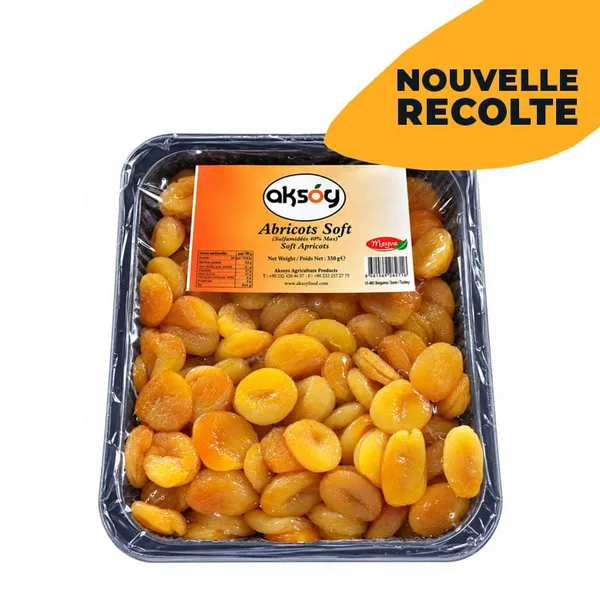
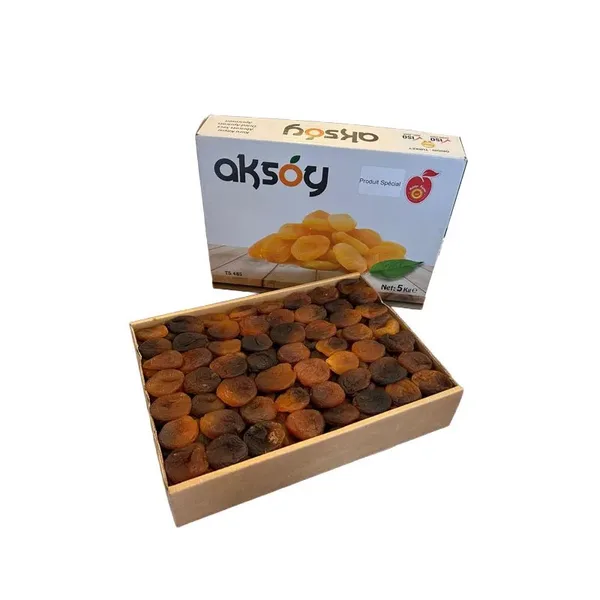


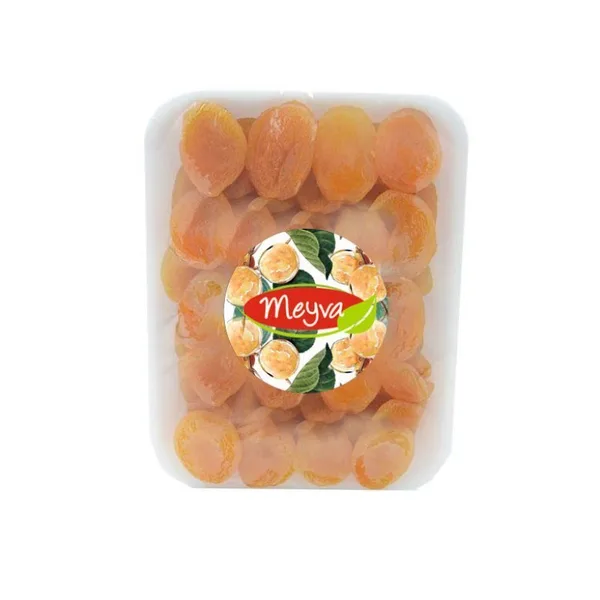

Looking for a wholesale dried fruit supplier?
I'm Jessica, your dedicated wholesale account manager.
Direct sourcing — Rungis and Bordeaux.
- ✓Direct sourcing from producers
- ✓Quality controlled (shelf-life, calibre, origin)
- ✓Next-day delivery in Île-de-France
- ✓Bulk, custom packaging, co-packing
- ✓B2B account with pricing tiers
B2B delivery & packaging
Rungis pickup
Pick up your order at our Rungis market depot. By appointment Monday through Friday.
Nationwide delivery
Delivery within mainland France and major European cities. Indicative lead time 24-48h.
Professional packaging
Bulk, 5 to 10kg buckets, 200g to 1kg bags
Frequently asked questions
Overview
Range overview
The Dried Apricots category gathers the dehydrated-fruit offer for food professionals: craft bakers and pastry chefs, neighbourhood shopkeepers, restaurateurs and caterers, as well as large-retail distributors. A supplier specialised in dehydrated fruit since 1984, Palimex offers here dried apricots packed for professional use, diced, in trays or in tubs, calibrated to each workshop's needs. This selection is aimed at buyers seeking steady supply, production-ready formats and availability matching the volumes of a trade or a professional kitchen.
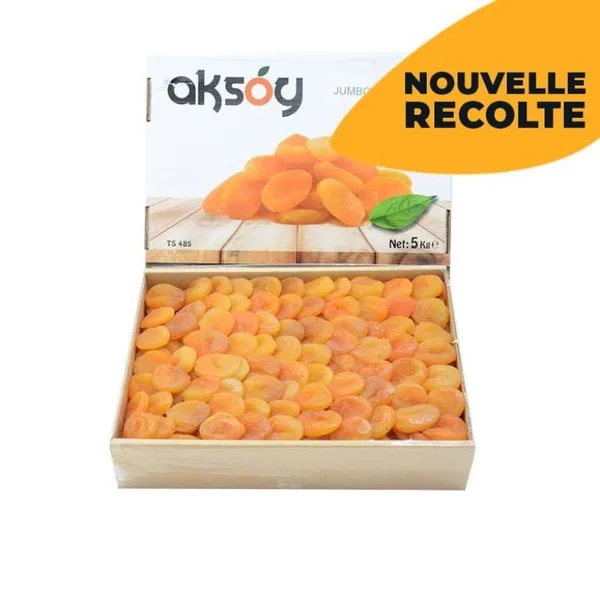
The range comes in several calibres — notably Jumbo, N1 and N2 — and in diced or whole versions, with or without sulphur depending on the reference. Pack formats run from the handy tray to the 5 kg tub and the 10 kg carton, letting you build an order matched to the turnover of each outlet or workshop, without tying up stock out of proportion to the actual activity.
Professional uses by trade
Dried apricots find their place in varied preparations across the food trades. Here are a few concrete uses seen among professionals buying in bulk, from the pastry chef's worktop to the shopkeeper's bulk shelf, through the restaurateur's kitchen and the distributor's warehouse. Each trade use calls for a different calibre and pack format.
- Gourmet artisan: rehydrate diced dried apricots in warm liquid before folding them into a cake batter or an artisan tart filling.
- Neighbourhood shopkeeper: offer dried apricots in a tray at the bulk or self-service shelf, a format that eases turnover without excess tied-up stock.
- CHR professional: fold diced dried apricots into an aperitif board or an after-meal mendiant, ready for quick service.
- Retail distributor: list the 5 kg tub on the dried-fruit shelf to secure steady supply across a network of outlets.
- Gourmet artisan: use the N1 calibre for a neat pastry presentation, where the fruit's even size eases the visual plating of the finished product.
- CHR professional: keep a service tray handy for à-la-minute preparations, without an extra cutting step in the kitchen.
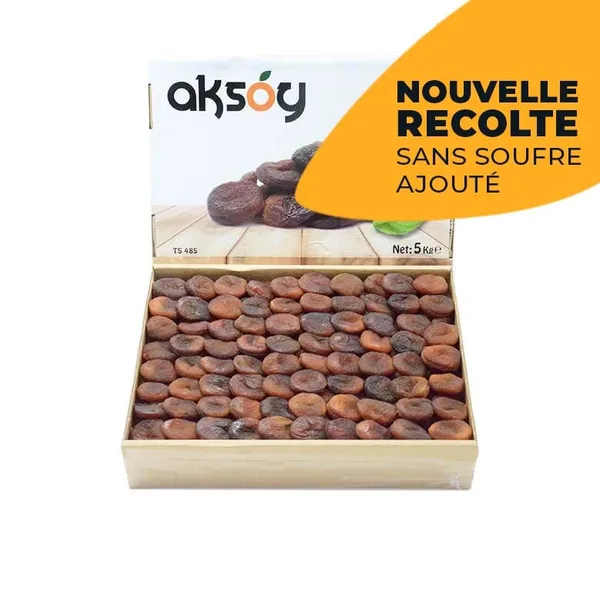
- Neighbourhood shopkeeper: highlight the sulphur-free version for customers seeking a more authentic brown appearance in the display.
Range comparison
Here is a selection of references available in bulk to build an assortment suited to your activity, from tub to carton by way of tray, with calibres and formats designed for steady professional use. This comparison table helps match a calibre to a use and an order format.
| Reference | Use | Format |
|---|---|---|
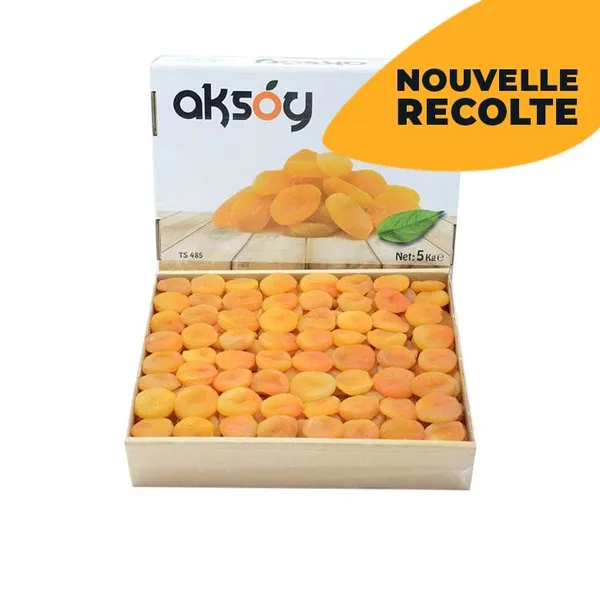
| Meyva tub, diced dried apricots | pastry and diced preparations | 5 kg |
| Dried apricot diced 10×10 mm | large workshop volumes | 10 kg |
| Dried apricot N1 | neat display presentation | 5 kg |
| Dried apricot natural sulphur-free N2 | customers seeking authenticity | 5 kg |
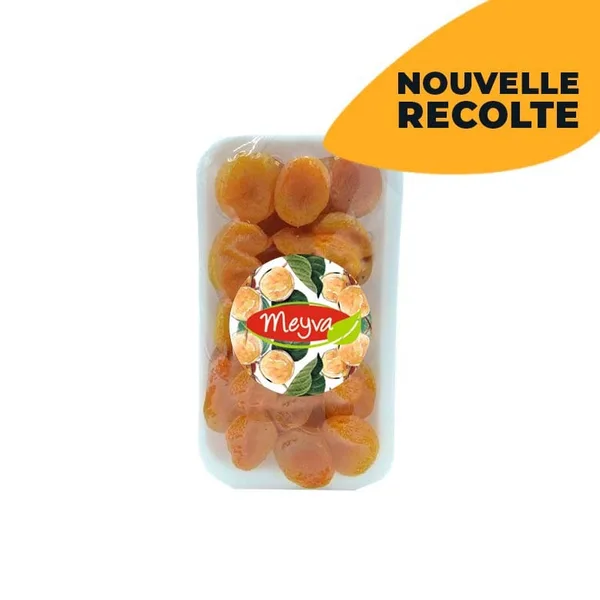
| Dried apricot N2 tray | retail shelf sale | 30×200 g |
| Dried apricot N2 tray | retail shelf sale | 16×400 g |
| Meyva tub, dried apricot N1 | versatile workshop reserve | 5 kg |
| Meyva soft large apricots France | direct tasting without preparation | 5 kg |
How to choose a calibre
Building a bulk dried-apricot order means arbitrating between several practical criteria. Here are the points our professional customers most often examine before ordering, to align the choice with actual use in workshop, kitchen or shelf. A well-chosen calibre saves an extra cutting step and production time.
- Calibre: Jumbo, N1 or N2 set the fruit size and therefore its visual rendering once folded into a preparation or displayed on the shelf.
- Cut format: whole or diced, this choice drives the preparation time in the kitchen and the product's final use.
- Packing: tray, tub or carton, chosen by the available storage and the restocking frequency of your outlet.
- The presence or absence of sulphur: a criterion that influences the fruit's colour and appearance, to weigh by the target customer.
- Order volume: matching the quantity to the real turnover avoids tying up stock and end-of-cycle losses.
- Delivery frequency: anticipating seasonal peaks secures supply without a break when demand rises.
- Compatibility with your existing preparations: checking that the calibre and texture match the recipes already in place in your establishment.
Storage and logistics
Once received, dried apricots keep in a dry space, away from light and moisture, in their original packing closed after each sampling. Stock rotation organised on a first-in, first-out basis limits losses and guarantees a sound product at use. For professionals ordering in bulk, anticipating needs by production cycle or season smooths deliveries and avoids breaks, especially during peak periods such as year-end holidays or wedding season. Pallet or franco delivery is coordinated with your receiving and on-site storage capacity.
We advise our professional customers to define their turnover rhythm before choosing the packing: a tub suits regular workshop use, while a tray eases direct in-store promotion. — The Palimex team
Related categories
Browse our other dehydrated-fruit ranges:
Useful references
For regulatory and sector references on the fruit and vegetable industry, see FranceAgriMer — French national establishment for agricultural and sea products.