

Available products
48 references · page 1 / 2



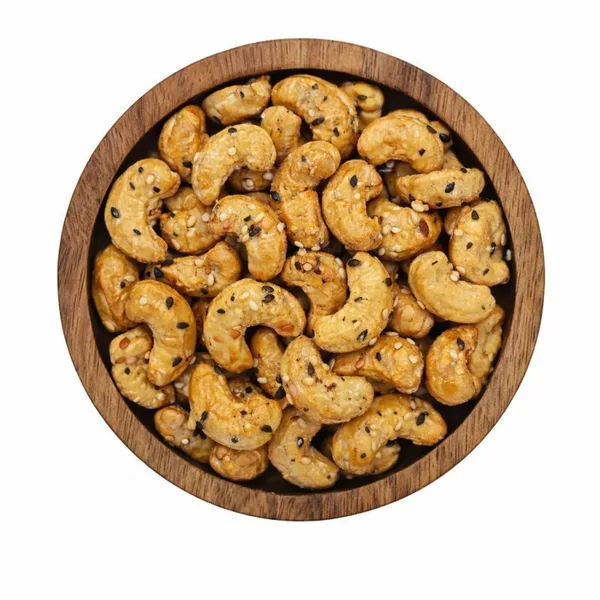

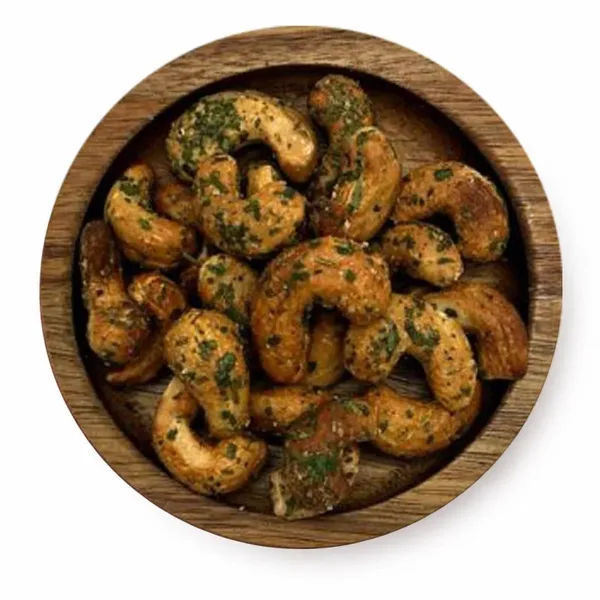

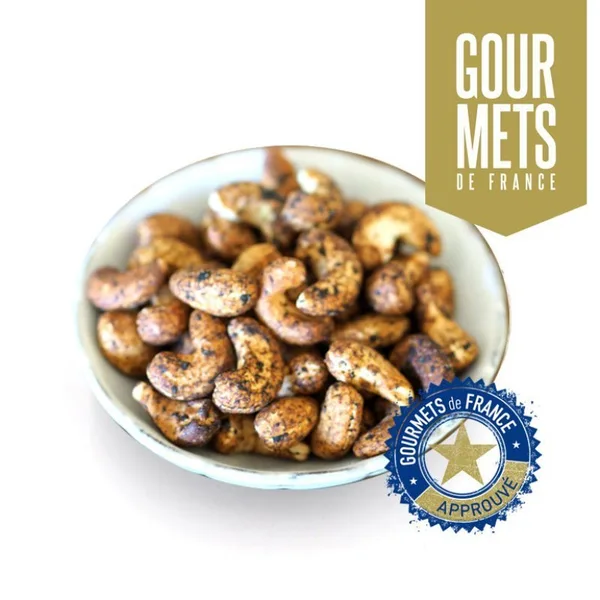

Looking for a wholesale dried fruit supplier?
I'm Jessica, your dedicated wholesale account manager.
Direct sourcing — Rungis and Bordeaux.
- ✓Direct sourcing from producers
- ✓Quality controlled (shelf-life, calibre, origin)
- ✓Next-day delivery in Île-de-France
- ✓Bulk, custom packaging, co-packing
- ✓B2B account with pricing tiers
B2B delivery & packaging
Rungis pickup
Pick up your order at our Rungis market depot. By appointment Monday through Friday.
Nationwide delivery
Delivery within mainland France and major European cities. Indicative lead time 24-48h.
Professional packaging
Bulk, 5 to 10kg buckets, 200g to 1kg bags
Overview
Nuts roasted in France for hospitality and grocery
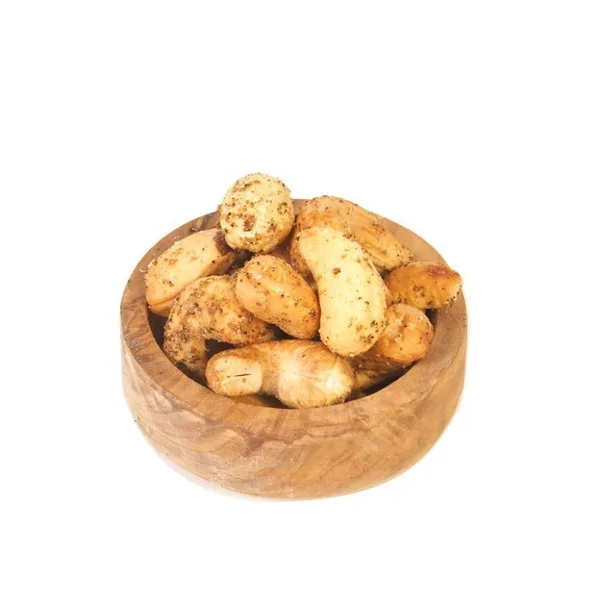
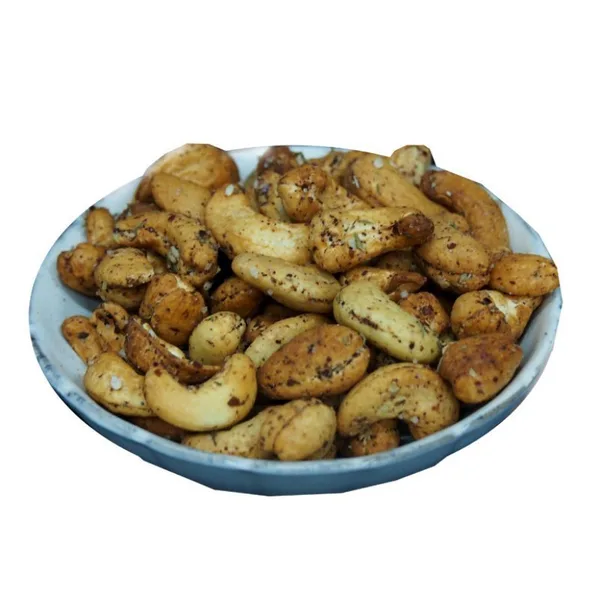
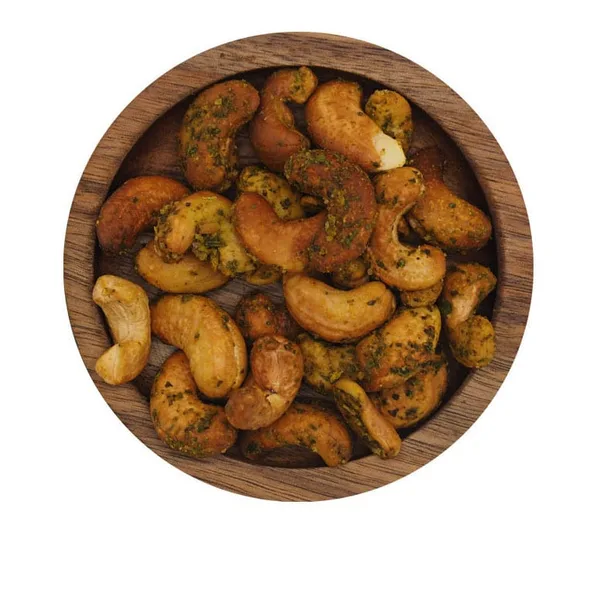
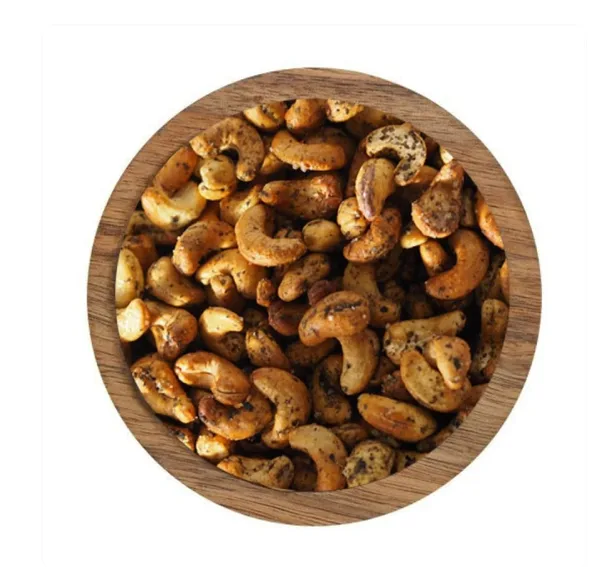
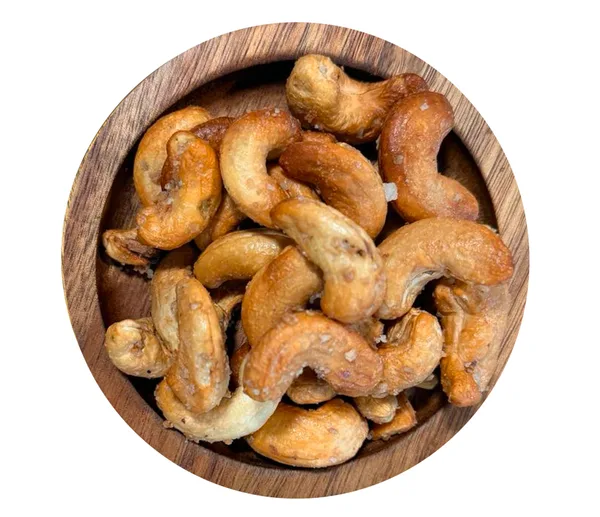
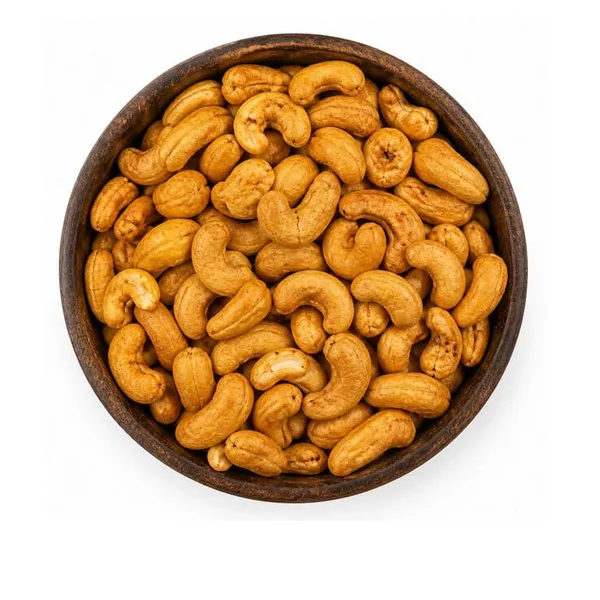
A roasted nut is a workshop product before it is a shelf product. Between a raw almond and a roasted one, everything hinges on a few minutes of cooking and on the delay between leaving the oven and being bagged. That is exactly what sets this range apart: these references are roasted in France, which means freshness and a short traceability chain. For a professional buyer that translates into something very concrete: a product that arrives with its shelf life still whole ahead of it, rather than already eaten into by transport.
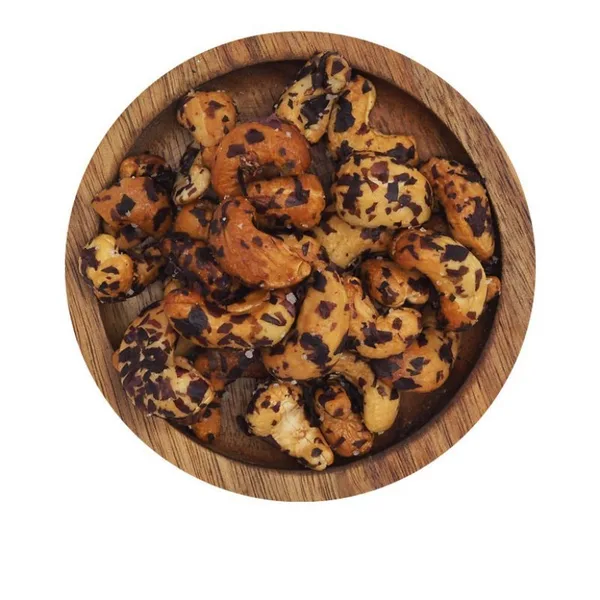
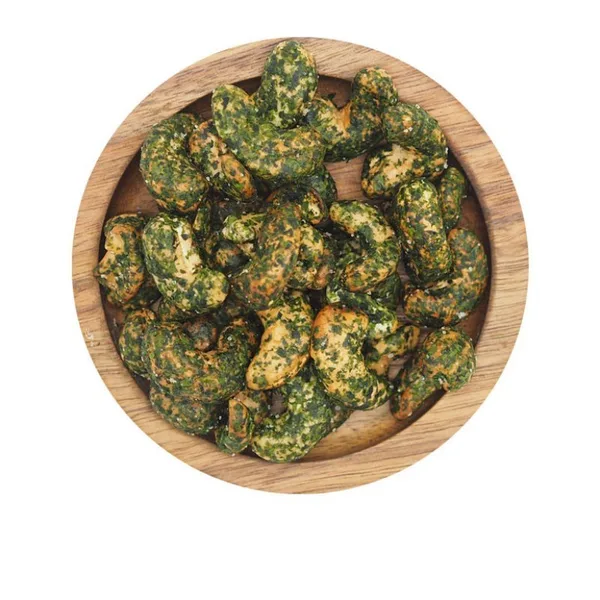
Palimex has been a B2B food wholesaler since 1984, specialising in nuts, dried fruit, spices and olives. The roasted range is aimed at professionals who serve at the bar or sell over the counter: bars, brasseries, caterers, fine grocers, wine merchants. Roasted peanuts, smoked almonds, cocktail mixes or crunchy chickpeas — the range covers the aperitif board, the savoury buffet and counter bulk alike.
Which roasted nut for which professional use?
The same product does not play the same role served in a ramekin on a zinc counter, laid out in a tray on a buffet, or sold by weight in a grocery. The table below sums up the listing logic we apply with our customers when they build their aperitif line.
| Professional use | Recommended reference | Suitable packaging |
|---|---|---|
| Aperitif board, fine grocery | Dry-roasted almonds, smoked almonds | 500 g or 1 kg bag |
| Bar, brasserie, counter service | Oil-roasted cocktail mix | 3 to 5 kg bulk bucket |
| Catering buffet, corporate cocktail | Savoury mixes, roasted assortment | Presentation tray |
| Counter bulk in grocery | Roasted peanuts | 1 kg bag, bulk bucket |
| Savoury snacking, salad topping | Crunchy chickpeas | 1 kg bag |
For a coherent aperitif offer our advice does not change: choose dry-roasted almonds if your business is subject to strict allergen declaration — without added oil the allergen profile is cleaner and the labelling easier to hold. Keep oil-roasted savoury mixes for bars and brasseries, where crunch comes first and rotation is fast.
Dry-roasted or oil-roasted: what changes in service
The question comes up at every listing, and it deserves more than a matter of taste. Dry roasting gives a soberer product that does not mark fingers or ramekins, holds well in a grocery display and is simple to declare. Oil roasting brings a sharper crunch and stronger salt adhesion, which is what a bar counter wants when the product is eaten within half an hour. So the choice rests less on the recipe than on the time between opening the bag and serving: the shorter it is, the more oil roasting expresses itself; the longer it is, the more dry roasting forgives.
Packaging, counter bulk and logistics
Format decides rotation, and rotation decides the texture you serve at the end of the week. Our professional packaging breaks down as follows:
- 500 g bag under protective atmosphere — the shelf format, the one that limits staling before opening.
- 1 kg bag — for counter bulk service and daily replenishment of a display.
- Presentation tray — built for catering buffets, where the product is seen as much as eaten.
- 3 to 5 kg bulk bucket — the volume format, suited to restaurants and busy bars.
The site is reserved for professionals holding a SIRET registration: hospitality operators, restaurants, fine grocers and caterers. Orders are placed in professional formats, shipped on pallet or carriage-paid depending on the volume committed.
Storage, stock rotation and texture
A roasted nut does not spoil: it softens. That distinction matters to a buyer, because the product stays compliant long after it has stopped being good to serve. Three enemies explain it: air, ambient humidity and counter heat. In the store room that means simple habits — close opened buckets tightly, never store them next to a cooking station or a glass washer, and take out the service quantity rather than the whole container.
Our view, after forty years in this trade: do not keep opened batches beyond 30 days. Roasted nuts lose their texture and aroma quickly, and a customer will never tell you your almonds were soft — they will simply stop ordering them.
Roasting in France means controlled moisture, an optimised shelf life and no added preservatives. Every delivery carries its identification details — batch number and best-before date — directly usable in your HACCP plan. We recommend writing the opening date on buckets as soon as they go into service: it is the cheapest and most profitable habit on an aperitif station.
Allergens and consumer information
Nuts and peanuts are among the allergens subject to mandatory declaration, which commits any business serving or reselling roasted nuts, including in bulk. This is not a matter for judgement calls: to check the list of allergens concerned and the information duties attached to them, the public reference is ANSES, the French agency for food safety. It is also why we advise physically separating service stations between dry-roasted products and mixes: cross-contamination at the counter is a frequent blind spot in control plans.
Ordering your roasted nuts in bulk
An aperitif range is rarely built in one go. Start with two or three references covering your real uses — an almond for the board, a mix for the counter, a chickpea for snacking — then adjust formats to the rotation you observe after a month. Our team supports you on packaging choice, replenishment frequency and building a price aligned with your volume, from the independent bar to the multi-site grocery network.