

Available products
19 references

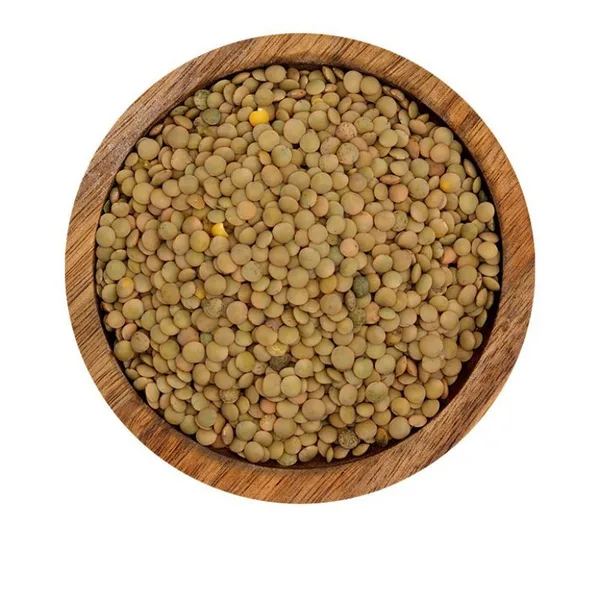







Looking for a wholesale dried fruit supplier?
I'm Jessica, your dedicated wholesale account manager.
Direct sourcing — Rungis and Bordeaux.
- ✓Direct sourcing from producers
- ✓Quality controlled (shelf-life, calibre, origin)
- ✓Next-day delivery in Île-de-France
- ✓Bulk, custom packaging, co-packing
- ✓B2B account with pricing tiers
B2B delivery & packaging
Rungis pickup
Pick up your order at our Rungis market depot. By appointment Monday through Friday.
Nationwide delivery
Delivery within mainland France and major European cities. Indicative lead time 24-48h.
Professional packaging
Bulk, 5 to 10kg buckets, 200g to 1kg bags
Frequently asked questions
Overview
Overview
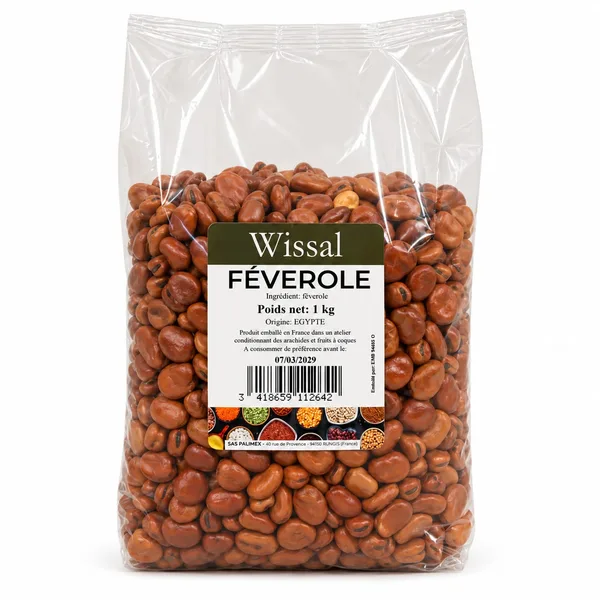
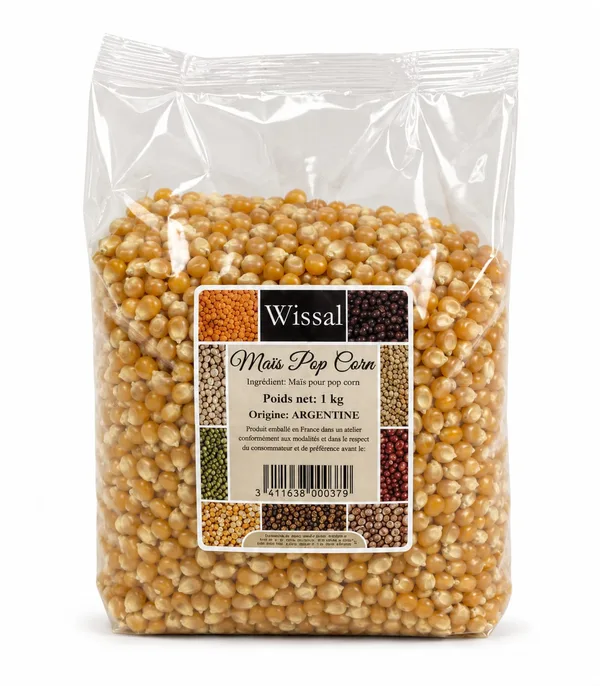
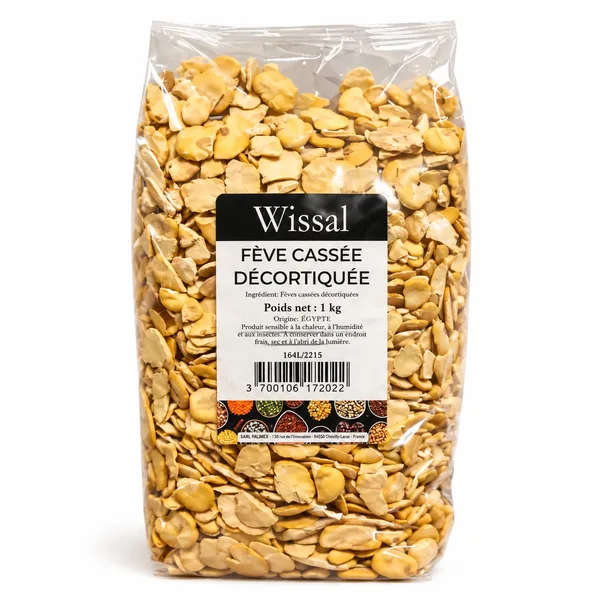
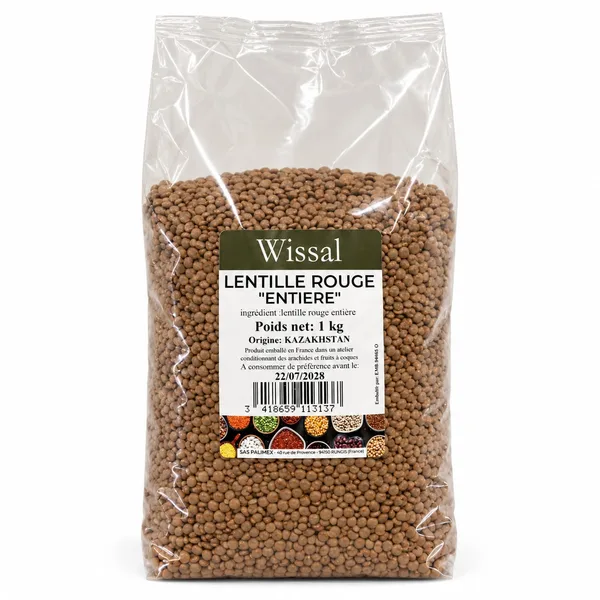
This category brings together the dried vegetables professionals handle in volume: broad beans, beans, lentils and chickpeas, staple references in artisan production and retail. It is intended for buyers who source for a workshop, a shop, a CHR establishment or a distribution network, and who need stable references rather than opportunistic finds. Here you find calibrated products conditioned for bulk use, available in packaging suited to professional rotation and pallet logistics, ready to integrate your supply chain without reconditioning.
Our range is built reference by reference, each selected for its calibre stability and its behaviour in production. As a wholesaler active since 1984, we maintain a continuous stock of these dried vegetables so that your orders are served on identified references and not on variable substitutions. The wholesaler's role here is to absorb harvest variability and deliver homogeneous batches, letting you plan recipes, margins and rotation with calm over the seasons.
Professional uses by trade
Uses differ sharply from one trade to another, and the same reference does not serve a pâtissier and a GMS buyer in the same way. The following entries detail, trade by trade, how broad beans, beans, lentils and chickpeas fit concrete professional contexts, from recipe development to shelf placement.
- Artisan Gourmand : You integrate calibrated lentils into terrines and prepared dishes where calibre consistency keeps your recipe reproducible batch after batch.
- Artisan Gourmand : You work chickpeas into houmous and vegetable patties, where a homogeneous calibre gives even cooking and a constant texture in your finished products.
- Artisan Gourmand : You rehydrate broad beans for Mediterranean recipes and salads, counting on a clean calibre to present uniform portions on the plate.
- Artisan Gourmand : You select whole beans for soups and stews, choosing a grade that holds its shape through long cooking without splitting.
- Artisan Gourmand : You plan your production around a single calibre reference, which simplifies mise en place and stabilises your yield per kilogram purchased.
- Commerçant de Quartier : You display lentils and chickpeas in bulk jars or pre-packed sachets, presenting clearly identified references that build trust with your regular customers.
- Commerçant de Quartier : You build margin by buying these dried vegetables in wholesale packaging and portioning them into shop-friendly formats adapted to your clientele.
- Commerçant de Quartier : You rotate references seasonally, pushing lentils in winter stews and broad beans for summer salads to keep your shelf lively.
Range comparison
The table below maps each reference to a typical professional use and a wholesale format, so you can quickly identify which dried vegetable fits your context and how it reaches your premises. These indications are generic and adapt to your specific conditioning needs.
| Range | Use | Format |
|---|---|---|
| Broad bean | rehydrate for salads, mezzés | wholesale sack, pallet |
| Bean | slow-cook for stews, soups | wholesale carton, pallet |
| Lentil | cook for dals, terrines | wholesale sack, pallet |
| Chickpea | mill or cook houmous | wholesale sack, pallet |
How to choose
Choosing the right reference means looking beyond the variety to the conditioning, the calibre and the continuity of supply. The criteria below guide your selection toward references that fit your rotation rhythm and your production constraints without oversizing your stock.
- Favour a single calibrated calibre per reference so your recipes stay reproducible and your cooking times remain predictable from one batch to the next.
- Check the conditioning format against your storage capacity, since a pallet of bulk sacks does not fit a kitchen with narrow dry-storage.
- Verify the continuity of supply on the reference, because a substitution mid-season disrupts your recipes and forces you to recalibrate cooking parameters.
- Plan your stock rotation around the declared shelf life, placing newer deliveries behind older ones to keep turnover fresh and avoid dormant stock.
- Confirm the delivery format suits your unloading equipment, as some pallets require a forklift that a small shop or workshop simply does not have.
- Compare the calibre-to-yield ratio between references, since a larger grain may rehydrate more and alter the effective cost per finished portion you serve.
Storage & logistics
Store these dried vegetables in a dry, ventilated place, away from light and moisture, on pallets raised off the ground to preserve grain integrity over time. A stable temperature and low humidity keep the batches sound until their declared shelf life, and protect against pests that target dry stock. In logistics terms, order by pallet to optimise transport cost and simplify unloading, and group your references to reach franco thresholds. Maintain a strict first-in, first-out rotation so older stock moves first, and keep each reference identified by batch to trace any anomaly back to its delivery. These practices keep your dry stock available and your production calendar undisturbed.
Since 1984 we have selected these dried vegetables reference by reference, because a stable calibre is what lets our customers plan their production calmly. Our role is to absorb the variability of harvests and deliver homogeneous batches, season after season.— Palimex team
Related categories
Browse our other ranges:
Useful references
For regulatory and sector references, see Les légumineuses, une famille de végétaux à (re)découvrir.