
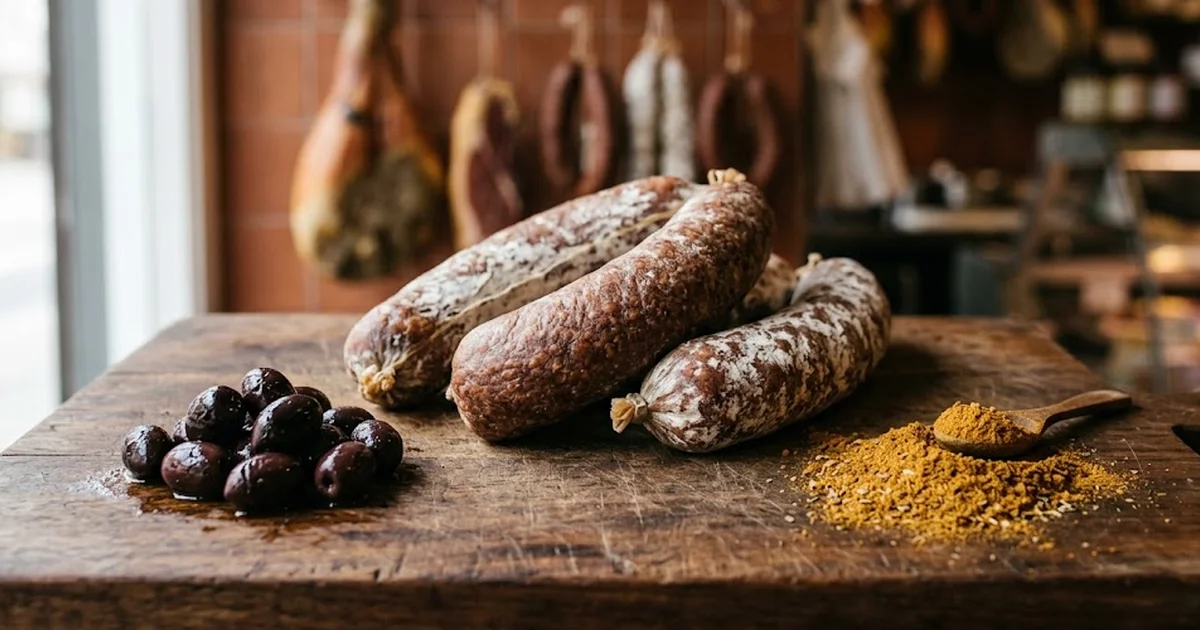
Boucherie orientale : l'épicerie sèche qui complète le rayon
Sucuk, olives, spices, dates: Which dry grocery items to add to an oriental butchery to increase the average basket size. Professional guide by Palimex, bulk packaging.
In an oriental butchery, the meat aisle remains the core of the business—but it’s often the dry grocery section that makes the difference in average basket size and customer loyalty. A customer who comes in for a kilo of ground meat is more likely to leave with olives, a spice mix, or a box of dates if these products are visible, well-presented, and consistent with their shopping universe. Here’s how to structure this aisle complementarity without multiplying unnecessary SKUs.
Why Dry Grocery Increases the Average Basket Size in Oriental Butcheries
The customer of an oriental butchery has grouped purchasing habits: they prepare a full meal, often for several people, and aim to limit their trips. Dry grocery meets this one-stop shopping logic if positioned right next to the meat, not in a separate aisle they have to seek out.
- Average basket size: A customer who adds two or three dry products to their meat purchase increases their spend by 20 to 40%, based on feedback from our wholesale clients.
- Visit frequency: Fast-moving products (spices, olives) bring customers back more often than meat alone.
- Brand image: A consistent dry grocery section reinforces the perception of a specialised, full-service business, not just a meat sales point.
The key is to choose product categories that naturally extend the purchasing decision, without turning the butchery into a general grocery store.
Dried Meat and Sucuk: The Natural Extension of the Butchery Aisle
Dried meat and sucuk are the most obvious products to add, as they share the same customer base and culinary use as fresh meat. They also have a slower turnover compared to fresh meat, making them easy to manage in stock without risk of loss.
We’ve detailed sourcing, formats, and key considerations for batches and traceability in a dedicated article: bulk dried meat, cecina, and sucuk. This same article explains how to read a compliance certificate provided by a supplier—a point every oriental butchery must master before stocking these products, as it’s the distributor’s responsibility to verify and present this information, not the wholesaler’s to guarantee it.
- Cecina: Aged product, available sliced or whole, ideal for counter sales.
- Sucuk: Spiced dried sausage, highly sought after as a side for oriental dishes.
- Professional packaging: Multi-kilo batches, designed for butchery turnover without frequent stockouts.
Olives, Tapenades, and Spreads: The Salted Section That Complements Meat
Olives and spreads are a staple of oriental tables and an excellent visual complement to the butchery aisle: a bulk olive display or bucket draws the eye and encourages impulse purchases. They’re also a high-margin product category with long shelf life if storage is managed properly.
Our MEYVA olive buckets range is designed for this type of retail outlet: professional formats, easy turnover, and presentation options for bulk or counter sales. For businesses looking to offer a more refined selection, tapenades allow for expanding the range without multiplying SKUs.
| Product | Main Use | Recommended Format for Butcheries | Turnover |
|---|---|---|---|
| Bulk olives | Counter sales, display | 2 to 4 kg bucket | Fast |
| Tapenade | Side dish, aperitif | Professional tub or tray | Medium |
| Sucuk | Retail sales, grilling | Whole or sliced batch | Medium to slow |
| Dates | Seasonal sales, gifts | 5 to 10 kg carton | Strong seasonal |
Spices, Blends, and Harissa: The Fast-Turnover Products That Build Loyalty
Spices are likely the most profitable category to integrate into an oriental butchery, as they sell in small quantities but with high purchase frequency. A customer who finds ras el hanout or harissa right next to their meat no longer needs to go elsewhere.
We detail the uses and dosing of these blends in two practical articles: ras el hanout, colombo, tandoori for foodservice blends, and bulk Cap Bon harissa for a high-identity condiment. The full range is available in our Oriental Flavours category, designed for businesses seeking a consistent offering without multiplying suppliers.
- Place spices in small containers near the checkout for impulse purchases.
- Rotate batches regularly to ensure aromatic freshness.
- Train sales staff to recommend simple dosing (grams per dish) rather than technical advice.
At Palimex, we regularly see oriental butcheries stocking too many spices at once without considering turnover. Our advice: Start with three or four of the most in-demand blends (ras el hanout, colombo, seven spices, ground cumin), monitor sales for a month, then expand gradually. A well-turning dry grocery aisle is better than a broad one that ages in stock.
Semolina, Dates, and Canned Goods: Completing the Catering Offer and Ramadan Season
Semolina and dates are highly seasonal products, particularly around Ramadan, but also year-round staples for catering customers. Canned goods (vegetables, sauces) round out the offering for customers cooking full meals.
For dates, calibre selection and storage are critical to avoiding losses: we cover this in storing Medjool dates professionally. As a direct reference, the branched Algerian date is a format popular in oriental butcheries for its authentic presentation and good shelf life. The full dates category covers multiple price points to suit different customer bases.
- Semolina: Offer in bags or bulk, depending on available sales space.
- Dates: Place orders two to three weeks before Ramadan to avoid stockouts.
- Canned goods: Prioritise slow-turnover but complementary items (vegetables, sauces) for main dishes.
Logistics, Packaging, and Storage: Best Practices for Oriental Butcheries
Adding dry grocery to a butchery aisle requires different logistics than fresh meat: minimum order quantities, batch rotation, and best-before dates to monitor. An oriental butchery doesn’t always have the storage space of a wholesaler, so it’s important to calibrate orders carefully.
To choose volumes wisely and avoid overstocking, our guide how to select dried fruits for professionals remains a solid methodological base, applicable to other dry product categories. Logistically, free delivery and palletised orders allow for consolidating multiple product categories in a single order, reducing per-unit logistics costs.
| Key Consideration | Best Practice |
|---|---|
| Stock rotation | Apply the first-in, first-out principle for each batch |
| Limited storage space | Order in small, frequent batches rather than large, infrequent volumes |
| HACCP traceability | Keep delivery notes and batch numbers for each SKU |
| Storage | Store dry products away from light and moisture |
For general food hygiene rules applicable to all food businesses, the Anses provides useful resources to supplement staff training.
Summary: Building a Consistent Dry Grocery Aisle in an Oriental Butchery
Complementing an oriental butchery aisle with dry grocery isn’t about volume but coherence: dried meat and sucuk to extend the purchase, olives and spreads for impulse buys, spices for loyalty, dates and semolina for seasonality. The key is to start small, monitor real in-store turnover, then expand gradually with suppliers capable of delivering professional packaging and free delivery.
For more on the full range of bulk oriental products, the professional oriental products page lists complementary categories for this aisle.
Frequently asked questions
Everything you need to know about this topic.
A question?
Get in touch directly.

Marketing & Communications Manager — Palimex / Meyva
As Marketing & Communications Manager at Palimex / Meyva, Aude Moyne leads the company's communications and digital marketing strategy: editorial content, email campaigns and the promotion of its product ranges. Her experience at Palimex, a specialist in dried fruit, nuts, olives and spices for professionals, has given her in-depth knowledge of the products, their origins and uses, and the expectations of food-industry professionals. The blog articles are written or supervised by her, in collaboration with Palimex's sales and product teams whenever a topic calls for specific expertise.
Our advice related to Grocery & Recipes
 Grocery & Recipes
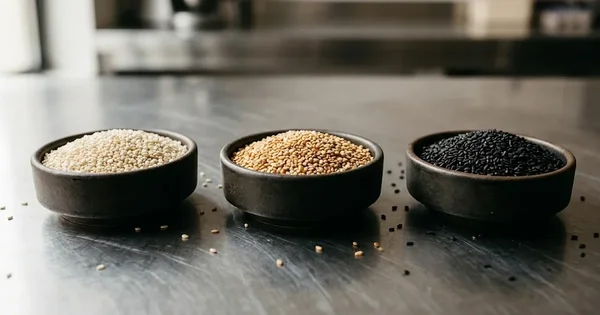
Sésame en gros : blanc, noir, grillé, et leurs usages
Guide pro du sésame en gros : blanc, complet, noir ou grillé. Usages culinaires, cuisson, prévention du rancissement et approvisionnement B2B chez Palimex.
 Grocery & Recipes
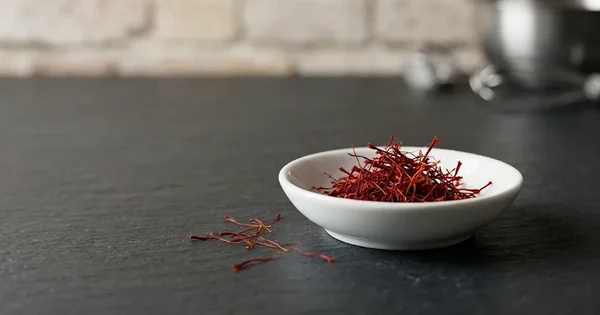
Safran en CHR : lire le grade, doser et repérer une falsification
Guide safran CHR : distinguer filaments et poudre, repérer les falsifications, réussir l'infusion et maîtriser le coût matière par portion en cuisine pro.
 Grocery & Recipes
Herbes aromatiques séchées : rendement face au frais et conservation en réserve
Rendement herbes séchées vs frais, équivalences de cuisson, tolérance au séchage et stockage en réserve CHR : guide technique et logistique pour les pros.