
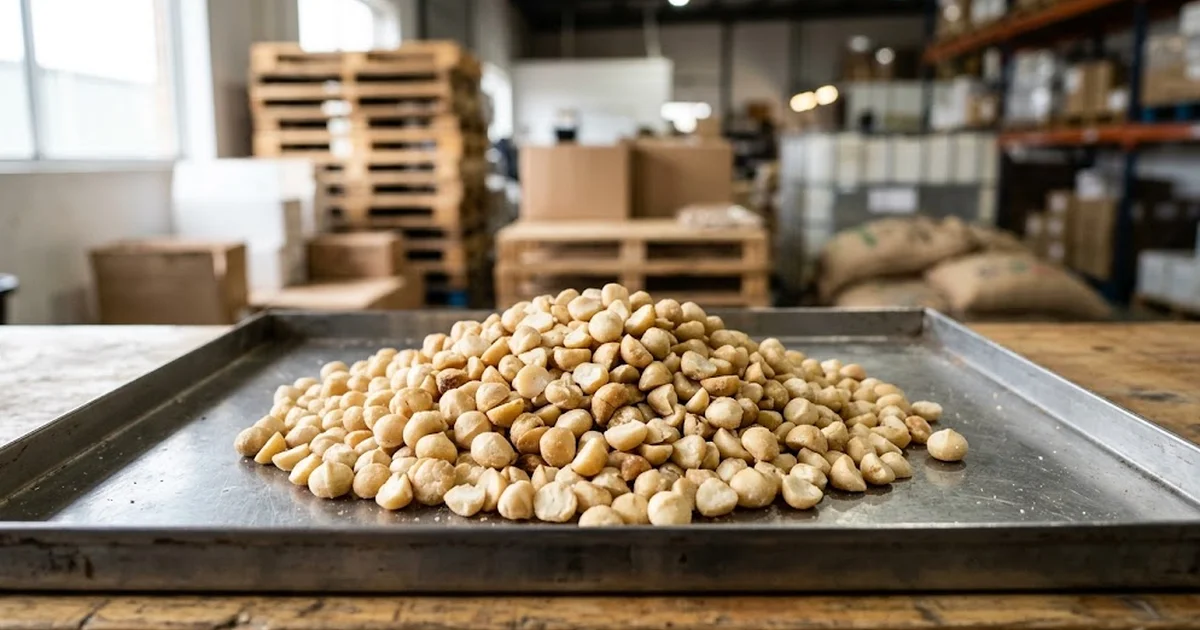
Macadamia en gros : calibres, origines et prix au kilo
B2B guide to macadamia nuts: origins, sizing, price per kilogram variations, and fat preservation. Order from 5 kg, pallet delivery for foodservice professionals.
Macadamia nuts have established themselves over several seasons as a staple in gourmet menus and high-end pastry displays. For professional buyers—foodservice, pastry chefs, and fine grocery stores—mastering sizing criteria, origin, and price per kilogram is essential before placing bulk orders. This B2B purchasing guide outlines the key factors to verify before sourcing in volume.
Bulk macadamia: a premium nut for foodservice and pastry professionals
Macadamia stands out from other nuts due to its exceptional fat content and its crisp yet melting texture, highly sought after in fine pastry, chocolate-making, and premium snacking menus. Its higher purchase cost compared to almonds or hazelnuts requires rigorous volume management and a solid understanding of available grades.
- Use in pastry inclusions: slabs, pralines, high-end cookies
- Use in savoury cuisine: fish accompaniments, sauces, crumbles
- Use in foodservice aperitifs: premium snack mixes, homemade roasting
- Use in fine grocery: retail sales in professional refillable containers
On a B2B site like the nut range offered to professionals, macadamia is among the most technical SKUs to source, as its price and availability fluctuate significantly depending on the harvest and origin.
Macadamia origins: South Africa, Kenya, Australia—key differences for bulk purchasing
Three production regions dominate the global market and shape the wholesale supply: South Africa, Kenya, and Australia, the historical birthplace of the macadamia tree. Each origin has distinct characteristics in terms of average size, harvest consistency, and annual availability.
- Australia: Historical origin, generally homogeneous sizing, available volumes but highly sought after for export, which tightens the market during low-harvest periods.
- South Africa: Production has grown significantly over the past fifteen years, offering a good volume-to-price ratio, though sizing varies by batch.
- Kenya: Emerging origin, often more competitive pricing, requires careful verification of batch homogeneity upon receipt.
For a professional buyer, origin alone does not determine quality: it primarily influences availability, sizing consistency, and pricing. Effective sourcing involves comparing multiple origins on the same spec sheet before committing to a large order volume.
Macadamia sizing and grades: how to read a spec sheet
Sizing is the central element to verify before any bulk macadamia purchase, as it directly impacts the final culinary use and kitchen yield. Nuts are classified by diameter and integrity (whole, pieces, halves), with significant price differences between grades.
| Grade / size | Description | Recommended professional use |
|---|---|---|
| Style 0 / whole large size | Whole nuts, superior size, very consistent | Pastry display, high-end chocolate-making, visible plating |
| Style 2 / whole medium size | Whole nuts, standard size | Pastry inclusions, snack mixes, roasting |
| Halves | Kernels cut in two, homogeneous size | Pastry decoration, praline, slabs |
| Pieces / broken | Fragments of irregular size | Savoury cuisine, crumble, dough incorporation, cost-controlled |
A reliable spec sheet must specify the grade, residual moisture percentage, and batch origin. These details help anticipate actual kitchen yield and avoid quality discrepancies between successive orders.
Macadamia price per kilogram by size and origin: indicative grid for bulk purchasing
Macadamia price per kilogram varies significantly based on grade, origin, and current harvest availability. For reference, here are the typical price ranges observed in the wholesale market, excluding harvest-related fluctuations:
| Product type | Price positioning | Key price differential factor |
|---|---|---|
| Whole large size (Style 0) | Highest price positioning | Size consistency and low breakage rate |
| Whole standard size | Mid-range price positioning | Available volume for the origin in question |
| Halves | Mid-range price positioning | Decorative use sought after in pastry |
| Pieces | Most accessible price positioning | No aesthetic size constraints |
This grid is indicative only: the actual price depends on the order volume, chosen packaging (carton, bulk pastry), and time of year. A savvy buyer always compares multiple quotes for the same origin and grade before committing to a large volume.
“With macadamia, the first mistake a rushed buyer makes is comparing two prices per kilogram without checking the grade and breakage rate. We always recommend requesting the full spec sheet for the batch—size, origin, residual moisture—before any pallet order. This control prevents unpleasant surprises in the kitchen and yield discrepancies from one delivery to the next.” — The Palimex team
Fat preservation and stock rotation: macadamia-specific challenges
Macadamia contains one of the highest fat contents among nuts sold in bulk, making it particularly prone to rancidity if storage conditions are not controlled. For professionals, this requires stricter stock management than for other dried fruits.
- Store in a cool, dry place, away from direct light
- Minimise time between receipt and rotation, especially in warm periods
- Check the best-before date on each batch before restocking
- Opt for packaging suited to the establishment’s actual consumption rate rather than prolonged storage
- Seal containers carefully after each use to limit oxidation
Well-calibrated stock rotation remains the best way to preserve macadamia’s flavour quality until final use. Our teams regularly detail these best practices in our guide to storing dried fruits in professional warehouses, applicable to all high-fat nuts.
Packaging, minimum order quantity, and B2B logistics at Palimex
Bulk macadamia purchasing follows a volume-based approach with logistics tailored to professionals: minimum order of 5 kg, pallet or free delivery depending on quantities ordered. This setup optimises logistics costs while ensuring batch traceability.
- Minimum order quantity: 5 kg per SKU
- Available formats: carton, bulk pastry and artisanal
- Delivery: full pallet or free delivery based on current thresholds
- Traceability: batch number and best-before date provided with each order
To organise regular supply, it is advisable to plan orders around peak activity periods (end-of-year holidays, pastry season) rather than placing multiple small orders, which are more costly logistically. Also see our advice on choosing bulk packaging for food professionals and organising pallet delivery for foodservice establishments.
Culinary uses in pastry and foodservice: selecting the right macadamia size
Size selection should always be guided by the final use, rather than price per kilogram alone. A whole large nut enhances visible plating, while pieces are ideal for dough incorporation where aesthetics are not a factor.
- For praline or chocolate slabs: opt for halves or calibrated whole nuts
- For cookies or cake batter: pieces are sufficient and reduce ingredient costs
- For a roasted snack mix in foodservice: whole standard size, consistent cooking required
- For display or visible decoration: whole large size, no breakage
This usage hierarchy allows for ingredient budget adjustments without compromising the final result—a common trade-off for pastry chefs and volume chefs. Fine grocery stores looking to offer multiple sizes for direct sale can also refer to our selection for fine grocery and foodservice to create a coherent assortment.
Summary: how to buy macadamia in bulk effectively
Bulk macadamia purchasing relies on three pillars: understanding available origins (South Africa, Kenya, Australia), precise sizing and grade assessment, and stock management tailored to this high-fat nut’s sensitivity. A professional buyer who compares spec sheets, anticipates stock rotation, and adjusts packaging to actual consumption volume secures both margin and flavour quality for their customers. For detailed batch spec sheets, the Palimex team remains available to support professionals in their sourcing.
A question?
Get in touch directly.
Our advice related to Dried-fruits
 dried-fruits
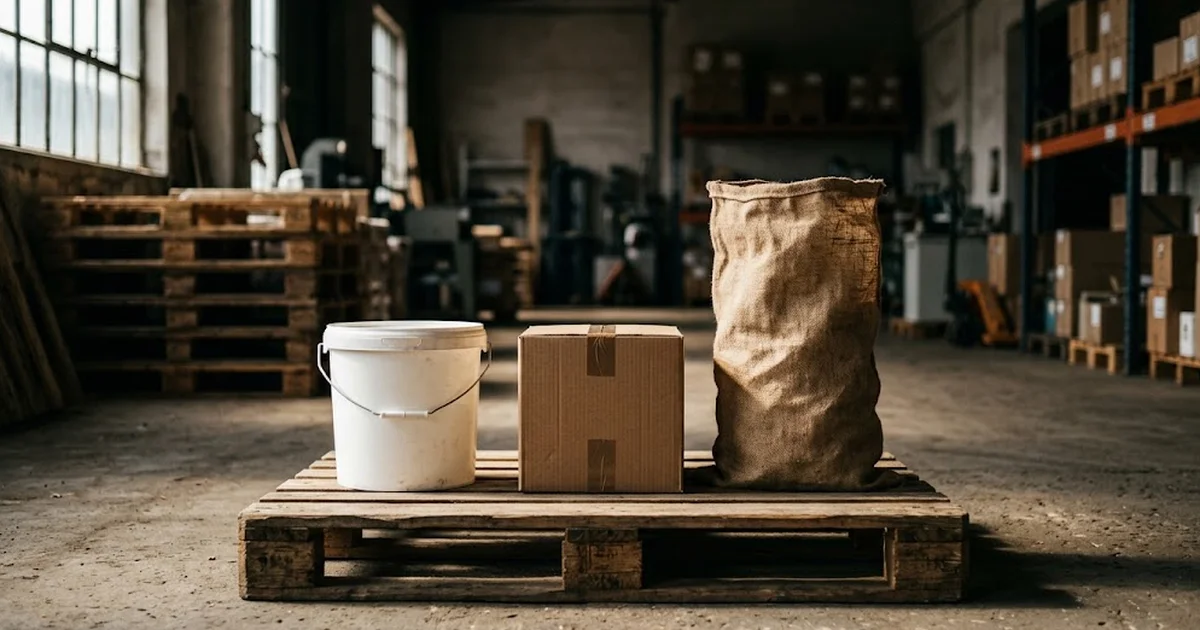
Seau, carton, sac de 25 kg : le conditionnement décide de la rotation
Bucket, carton, or 25 kg bag: which packaging to choose based on your actual turnover in professional kitchens. Palimex advice for foodservice, grocers, and pastry chefs.
 dried-fruits
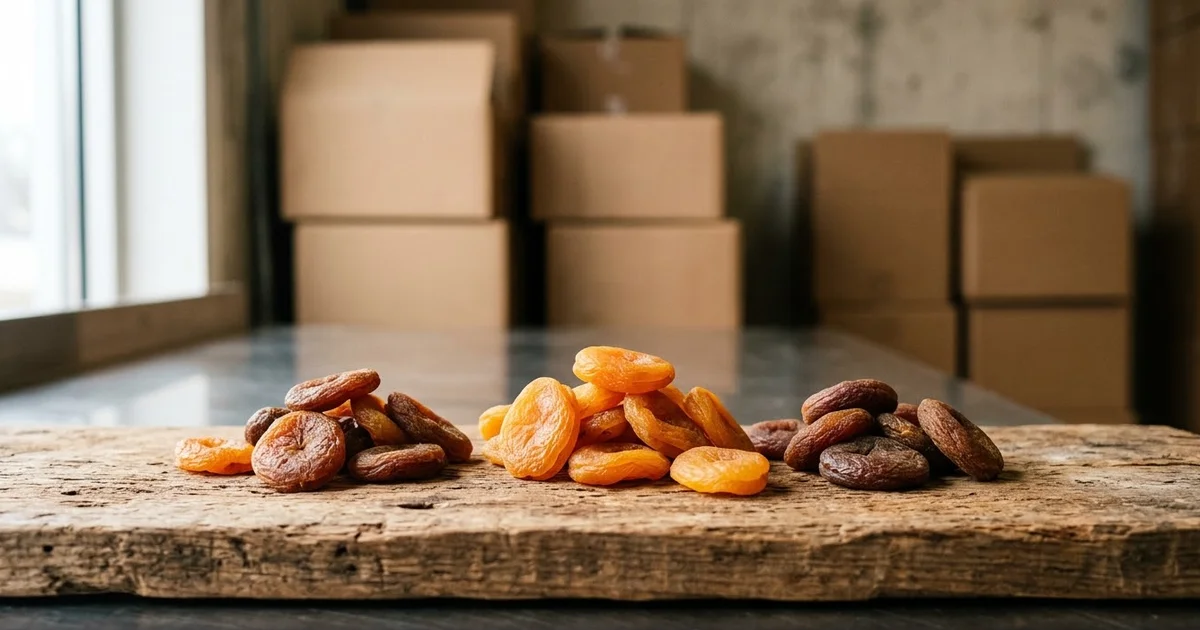
Abricot sec : lire un calibre n°1 à n°4, soufré ou non
How to read size grades No.1 to No.4 for dehydrated apricots, and choose between sulphured and unsulphured based on professional kitchen use. Buyer’s guide for foodservice, pastry chefs, and specialty grocery stores.
 dried-fruits
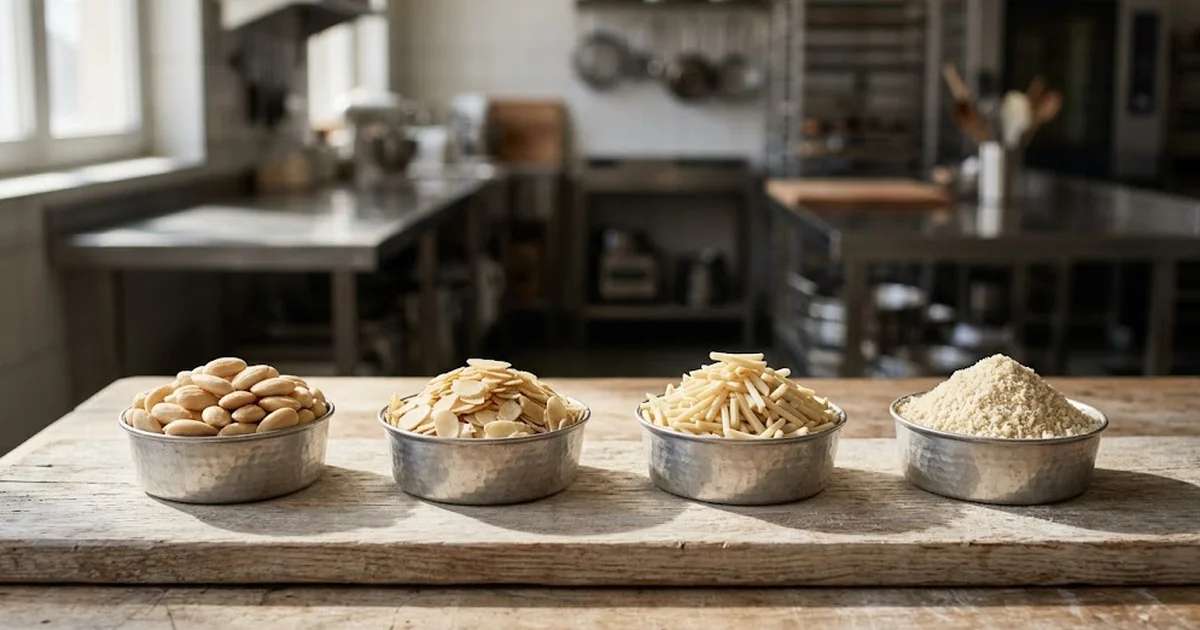
Amande émondée, effilée, bâtonnet, poudre : quel format pour quel usage
Professional guide: uses, cooking performance, and storage of blanched almonds, flaked, slivered, and powdered. Procurement and B2B logistics tips from Palimex.