
Dehydrated sweetened fruits in bulk - Palimex B2B
Dehydrated sweetened fruits in bulk for professionals: aloe vera, mango, pineapple, papaya. 2 kg bucket formats, storage, added sugar, and pastry uses.
The range of dehydrated sweetened fruits remains one of the most poorly identified by professional buyers, particularly for references like dehydrated aloe vera, often confused with a classic dried fruit or a candied product. At Palimex, a food wholesaler active since 1984, we regularly observe this confusion in orders from our CHR clients, fine grocery stores, and pastry artisans. This article reviews the range of dehydrated sweetened fruits distributed under the MEYVA brand, labeling issues related to added sugar, packaging formats suited to professional catering, and practical uses in cooking and pastry.
Dried fruit, dehydrated fruit, candied fruit: clearing up the confusion for your bulk purchases
These three product categories are frequently mixed up by buyers, even though they correspond to very different manufacturing processes and culinary uses. Understanding this distinction is essential for placing an order that aligns with your menu or snacking offer.
- Dried fruit: this refers to a nut (almond, walnut, hazelnut, cashew) or a fruit naturally low in water after simple drying, without added sugar. Almonds, walnuts, and hazelnuts sold by Palimex fall into this category.
- Dehydrated fruit: this is a fleshy fruit (mango, pineapple, papaya, kiwi, strawberry, aloe vera) from which water has been removed by drying, with or without added sugar depending on the reference. This is the category we are focusing on here.
- Candied fruit: the fruit is impregnated with sugar syrup through successive immersions, giving it a translucent texture and a sugar content much higher than that of a sweetened dehydrated fruit. The process, texture, and use in pastry differ significantly.
In terms of nutritional declaration, this distinction is directly reflected in the list of ingredients and the total sugar content displayed on the label, a point we will detail further in this article.
The Palimex range of dehydrated sweetened fruits: aloe vera, mango, pineapple, papaya, kiwi, strawberry
Our MEYVA range of dehydrated sweetened fruits covers the most in-demand references for professionals in snacking, pastry, and muesli compositions. Each batch is subject to monitored sourcing and traceability by batch number, in compliance with the HACCP requirements of your establishments.
| Reference | Added sugar | Size / presentation | Main professional uses |
|---|---|---|---|
| Dehydrated aloe vera | Yes, moderate sugaring | Chunks or slices | Snacking, granola, decorative infusions |
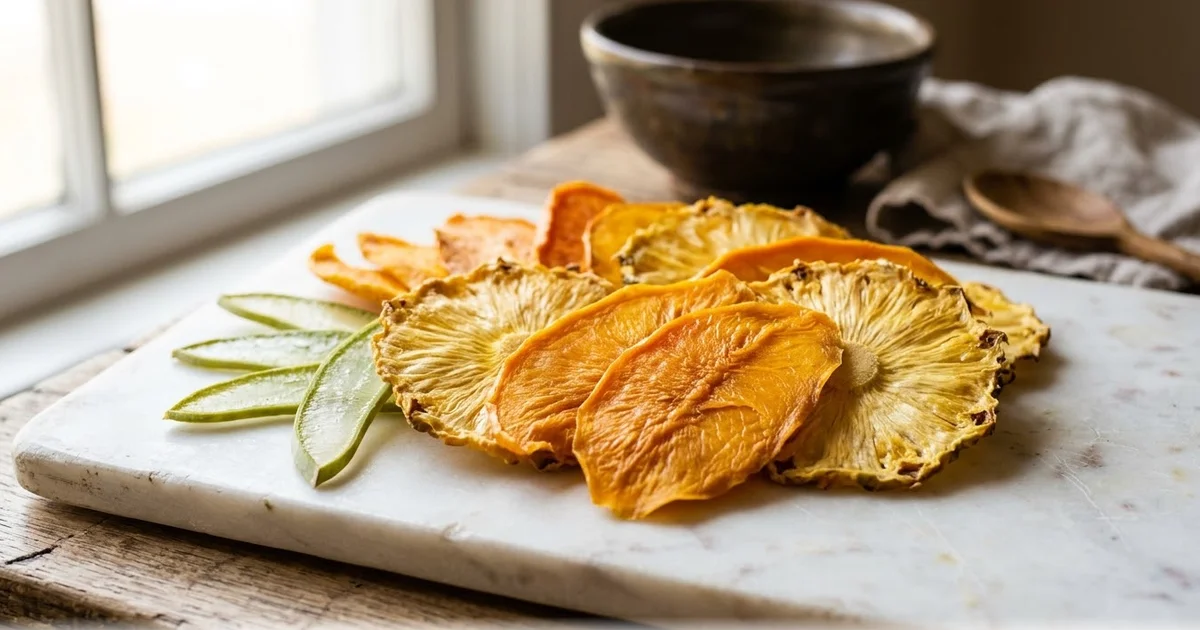
| Dehydrated mango | Yes, depending on reference | Slices or slices | Pastry decoration, granola, snacking mixes |
| Dehydrated pineapple | Yes, depending on reference | Rings or pieces | Pastry decoration, cocktails, muesli |
| Dehydrated papaya | Yes, marked sugaring | Cubes or slices | Snacking, tropical mixes |
| Dehydrated kiwi | Yes, depending on reference | Slices | Pastry decoration, granola |
| Dehydrated strawberry | Yes, depending on reference | Chunks or slices | Granola, muesli, cake decoration |
All these references are available in our Dehydrated fruits section, alongside classic dried fruits and candied fruits, to facilitate comparison between product categories during your sourcing.
Dehydrated aloe vera: a specific reference in the MEYVA range
Sweetened dehydrated aloe vera is a unique reference in the dehydrated fruits range, as it is often sought after for its uses in infusions, health snacking, and premium granola mix compositions. Unlike mango or pineapple, its texture remains firmer after partial rehydration, which influences its incorporation into recipes.
- Use in cold or hot infusions for CHR menus focused on well-being
- Incorporation in small chunks into premium granola or muesli mixes
- Use in dry snacking, alone or combined with other dehydrated fruits
The detailed product sheet, including size, best-before date, and available packaging, can be consulted directly on the dehydrated aloe vera MEYVA product page.
Added sugar and labeling: what your professional clients need to check
Unlike in-shell nuts, most of the dehydrated sweetened fruits in the range (mango, pineapple, papaya, kiwi, strawberry, aloe vera) contain added sugar to compensate for the loss of flavor during industrial drying. This information must be clearly stated in the list of ingredients provided to your end customers if you process or repack the product.
- Check the mention "added sugar" or the percentage of total sugars on the technical sheet provided with each batch
- Distinguish between "unsweetened" references (rarer, often more expensive) and standard sweetened references
- Keep the technical sheet and batch number for your HACCP traceability records
- Adapt your own labeling if you recompose mixes (homemade granola, muesli) incorporating these fruits
"In twenty years of sourcing dehydrated fruits, the most common confusion we encounter among our professional clients concerns added sugar. Many think they are buying a raw product equivalent to a dried fruit, whereas commercially available dehydrated mango or pineapple are almost always sweetened to compensate for the acidity lost during drying. Our advice: always request the batch technical sheet before designing your menu, to avoid unpleasant surprises in the kitchen and in customer communication." — The Palimex team
For general guidelines on the labeling of food products intended for sale, your quality teams can consult the public information available on the website of the administration in charge of consumer affairs and fraud prevention.
2 kg bucket formats and B2B packaging: logistics and stock rotation
The 2 kg bucket format is particularly suited to professionals who want to minimize stock breakage while keeping the product airtight between uses. This packaging complements the bulk carton offer available for larger volumes.
| Format | Target audience | Main advantage |
|---|---|---|
| 2 kg bucket | CHR, fine grocery stores, small workshops | Optimal storage, rotation suited to moderate volume |
| Bulk carton (5 kg and more) | Caterers, production workshops, industrial clients | Optimized cost per kilo, suited to regular volumes |
| Pallet delivery / free delivery | Wholesalers, purchasing centers, CHR networks | Mass logistics, free delivery based on threshold |
The 2 kg bucket is particularly recommended for dehydrated aloe vera and small fruits like kiwi or strawberry, which have a slower rotation than mango or pineapple in most points of sale. To organize your bulk order, our Dehydrated fruits section allows you to directly select the packaging suited to your business volume.
Professional uses: snacking, granola, muesli, pastry decoration
The dehydrated sweetened fruits in the MEYVA range lend themselves to a wide variety of uses in professional kitchens, which explains their growing presence on CHR menus and in fine grocery store aisles.
- Snacking: direct consumption in individual portions, alone or mixed with in-shell nuts
- Granola and muesli: incorporation in chunks or slices into breakfast and brunch mixes
- Pastry decoration: mango, pineapple, or kiwi slices used as finishing elements on desserts and tarts
- Appetizer compositions: sweet-salty mixes combining dehydrated fruits and olives or nuts
- Infusions and beverages: specific use of dehydrated aloe vera in cold infusions
To explore possible combinations between nuts and dehydrated fruits in a professional snacking offer, consult our dedicated article on professional bulk snacking.
Storage, best-before date, and best practices for professional kitchen storage
The storage of dehydrated sweetened fruits depends directly on their residual moisture content, generally higher than that of in-shell nuts. Proper storage management limits losses and ensures consistent texture until the best-before date.
- Store in a dry place, away from direct light and temperature fluctuations
- Reseal the bucket or carton hermetically after each use to limit moisture absorption
- Follow the first in, first out (FIFO) principle between different batches received
- Visually check for mold or excessive sugar crystallization before use
- Keep the batch label until the packaging is empty, for HACCP traceability
These best practices also apply to all dry and dehydrated products in your kitchen. Our article on storage and preservation of dry products in catering details the conditions for each product category.
Summary: how to choose your dehydrated sweetened fruits in bulk
Distinguishing between dried fruit, dehydrated fruit, and candied fruit helps avoid ordering mistakes and better meet the expectations of your end customers, whether for snacking, granola, or pastry decoration. The MEYVA range distributed by Palimex, including dehydrated aloe vera, mango, pineapple, papaya, kiwi, and strawberry, meets the needs of CHR professionals, fine grocery stores, and artisanal pastry shops, with formats ranging from the 2 kg bucket to pallet delivery. Systematically checking the technical sheet for each batch, particularly regarding added sugar, remains the best guarantee of controlled and HACCP-compliant sourcing.
A question?
Get in touch directly.
Our advice related to Dried-fruits
 dried-fruits
Seau, carton, sac de 25 kg : le conditionnement décide de la rotation
Bucket, carton, or 25 kg bag: which packaging to choose based on your actual turnover in professional kitchens. Palimex advice for foodservice, grocers, and pastry chefs.
 dried-fruits
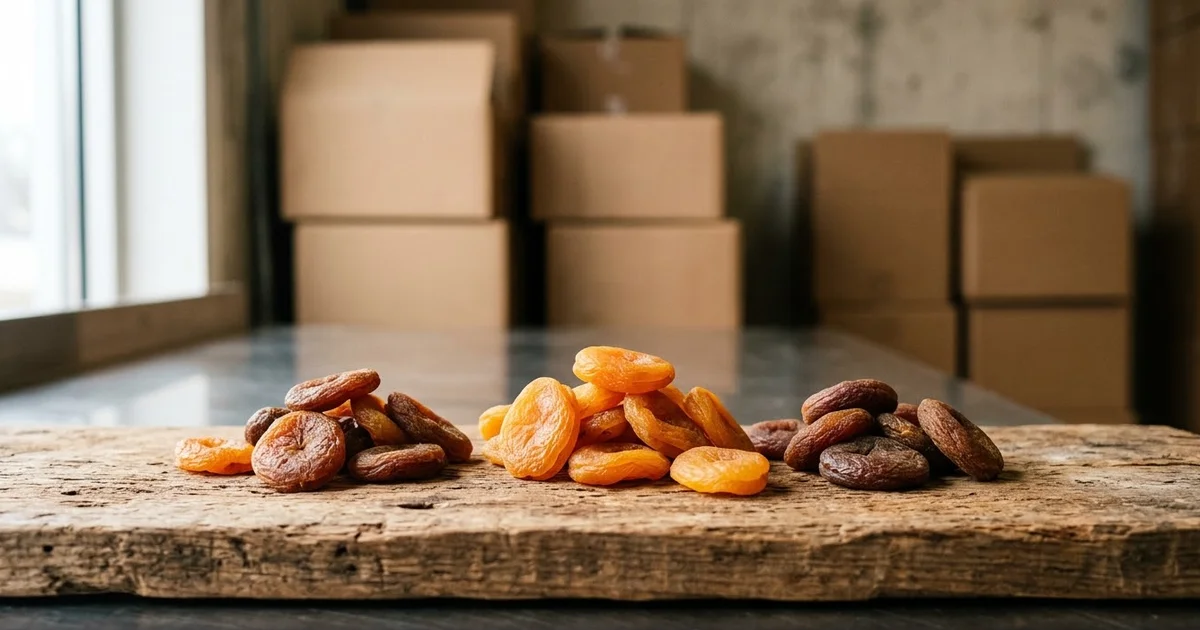
Abricot sec : lire un calibre n°1 à n°4, soufré ou non
How to read size grades No.1 to No.4 for dehydrated apricots, and choose between sulphured and unsulphured based on professional kitchen use. Buyer’s guide for foodservice, pastry chefs, and specialty grocery stores.
 dried-fruits
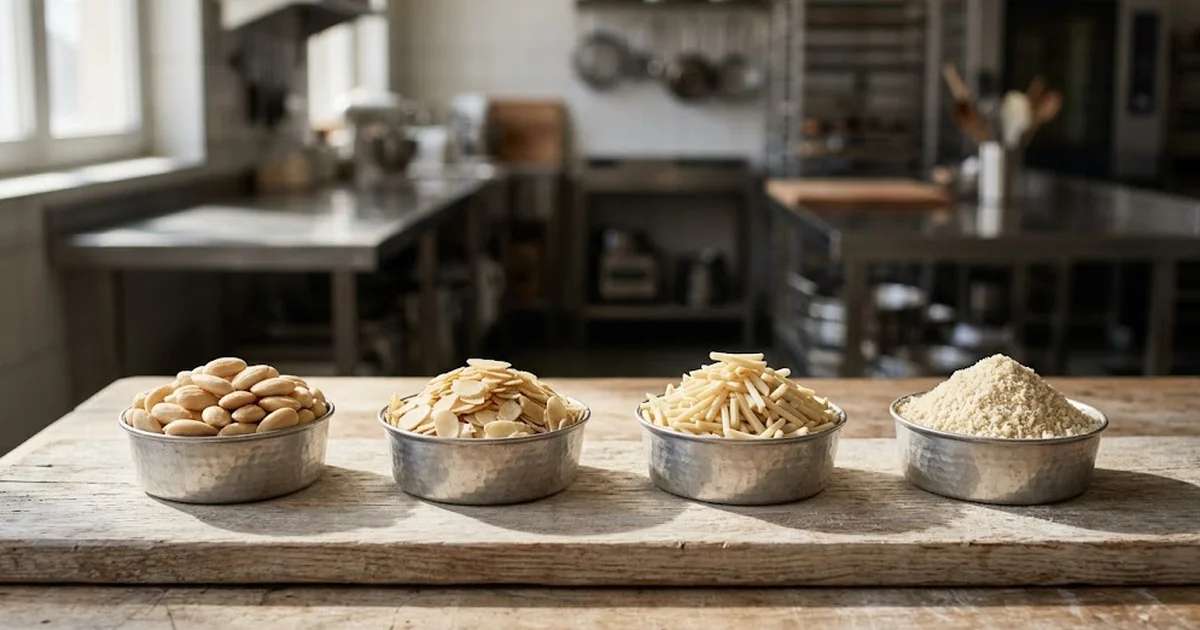
Amande émondée, effilée, bâtonnet, poudre : quel format pour quel usage
Professional guide: uses, cooking performance, and storage of blanched almonds, flaked, slivered, and powdered. Procurement and B2B logistics tips from Palimex.