
Candied Fruits in Bulk: Price per Kilo & Professional Calibres
Bulk candied fruits for pastry chefs and caterers: varieties, calibres, price per kilo and storage. Cubes, peel, cherries - professional quote.
The candied fruits section remains an essential classic in professional pastry, bakery, and collective catering. Red cherries, orange zest, mixed cubes, or angelica: these products structure iconic recipes such as fruit cake, panettone, or ice cream decorations. For professionals purchasing in quantity, understanding pricing logic, available calibres, and storage constraints helps optimise orders and reduce stock waste. This article provides key insights for HoReCa, pastry chefs, and fine grocery stores seeking a reliable candied fruits wholesaler.
Bulk candied fruits: a strategic section for pastry chefs and HoReCa
Candied fruits are not a secondary product: they are part of recipes with strong seasonality (end-of-year festivities, Easter) but also regular use in traditional pastry. For professionals, the challenge is not only to find the right product but to secure bulk supply with homogeneous batches and clear traceability.
Purchasing candied fruits in bulk rather than in small packaging reduces the unit cost, minimises stockouts, and improves production planning, particularly during high-demand periods like November-December.
- Reduction of logistical costs through packaging adapted to actual consumption volume
- Better stock rotation control thanks to identified batches
- Regular supply to secure continuous production in the laboratory
- Access to specific varieties (angelica, bigarreaux) rarely available in retail
Candied fruits wholesaler: understanding the price per kilo structure
The price per kilo question is a recurring concern for professionals comparing offers. There is no single price for candied fruits: the cost depends on several technical parameters worth knowing before requesting a quote.
Here are the main factors influencing the cost structure of a bulk candied fruits batch:
- The fruit variety: a whole candied cherry, selected for its visual appeal, costs more than a mixed cube intended for incorporation into pastry
- The calibre: large calibres, used for decoration, require finer sorting and result in lower material yield than dice or chunk formats
- The sugar content and candying degree: a candied fruit obtained through a long and gradual candying process has a different structure from a quick-candied fruit, affecting production costs
- The packaging format: cardboard, bucket, or bulk bags do not have the same logistical cost per kilo, especially above 5 kg
- Origin and sourcing: some citrus zest or cherries come from specific production areas, with variable supply costs depending on the season
This is why Palimex does not publish fixed prices online: each quote request considers the variety, calibre, format, and ordered volume to propose a price truly adapted to the intended professional use.
At Palimex, we regularly observe confusion among beginner buyers: comparing a price per kilo without specifying the calibre or sugar content makes no commercial sense. A mixed cube for an industrial cake and a whole candied cherry for fine pastry decoration do not belong to the same cost range, even if both are sold "per kilo". We systematically recommend specifying the final use before requesting a quote, as this helps guide towards the right calibre and avoid unnecessary extra costs.
Calibres and varieties: cherries, citrus zest, mixed cubes, angelica, bigarreaux
The term "candied fruits" covers a fairly broad product family, with very different uses and calibres. A professional purchasing in bulk benefits from precisely distinguishing these varieties to avoid ordering mistakes.
| Variety | Typical calibre | Main use in pastry | Packaging format |
|---|---|---|---|
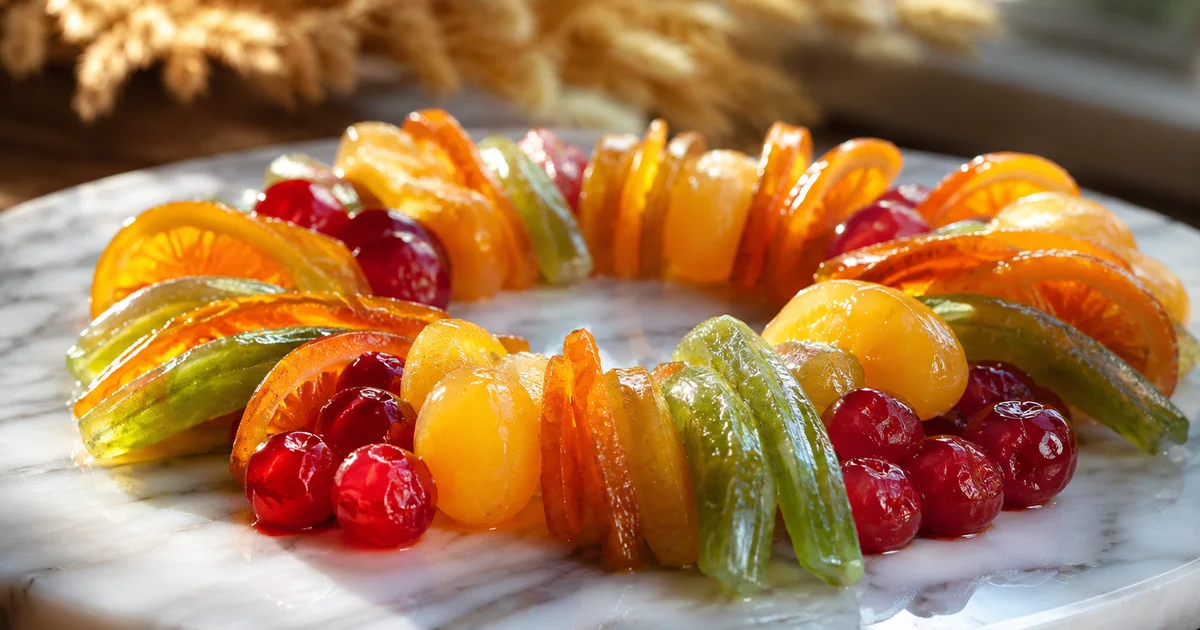
| Whole candied cherries | Large calibre, visual selection | Cake decoration, English cake, panettone | Cardboard, drained bucket |
| Candied orange zest | Slices or dice | Cake, gingerbread, chocolate making | Bulk, cardboard |
| Candied lemon zest | Slices or dice | Cake, viennoiserie, ice creams | Bulk, cardboard |
| Mixed fruit cubes | Small homogeneous calibre | Panettone, fruit brioche, cake | Bulk bag 5 to 10 kg |
| Candied angelica | Sticks or dice | Decoration, traditional regional pastry | Cardboard, small professional packaging |
| Candied bigarreaux | Large whole calibre | High-end decoration, ice cream, chocolate making | Bucket, calibrated cardboard |
This variety of calibres explains why two "candied fruits" orders can have very different prices. To explore specific uses by variety, consult our page dedicated to professional candied fruits.
Pastry uses: cake, panettone, ice cream, and professional decoration
The choice of calibre and variety directly depends on the final use. A professional preparing a panettone does not have the same requirements as a pastry chef creating a wedding cake decoration.
Cake and gingerbread
For traditional cakes, mixed cubes and zest in dice are preferred: they distribute well in the dough and withstand baking without excessive colouring.
Panettone and Italian brioches
Panettone generally requires candied fruit cubes of homogeneous calibre, with controlled sugar content to avoid weighing down the crumb during fermentation.
Ice creams and entremets
In ice cream making, whole candied fruits (cherries, bigarreaux) are often used as filling or topping, where visual appeal takes precedence over material yield.
Fine pastry decoration
For decorations, large whole calibres and hand-cut zest are sought after for their shiny appearance and shape consistency.
- Identify the final use (incorporation into dough, visible decoration, filling)
- Choose the calibre based on baking or dressing resistance
- Check the sugar content to anticipate the recipe's flavour balance
- Adapt the order format to the laboratory's consumption rate
For further insights on sweet pairings, our sweet grocery section presents other complementary ingredients used in professional pastry.
Storage, best-before date, and crystallisation risk
Candied fruits are stable products thanks to their high sugar content, but their storage in a laboratory or professional reserve still requires some precautions, particularly to avoid surface crystallisation.
- Store in a dry place, protected from humidity and temperature variations
- Carefully reseal cartons or bags after each use to limit air exposure
- Respect the best-before date indicated on the batch label for FIFO rotation in storage
- Avoid storage near heat sources that accelerate sugar migration to the surface
- Visually check for excessive sugar deposits before use in decoration
Crystallisation appears as a slight whitish deposit on the fruit's surface: it generally does not affect the product's edibility but may impact visual appeal in decoration. Regular batch checks in stock help anticipate this phenomenon and adjust consumption priorities.
To explore best storage practices in a professional environment, you can consult our article on dried and candied fruits storage in the laboratory.
Ordering in bulk from Palimex: B2B packaging and logistics
Palimex exclusively serves professionals with a SIRET: HoReCa, fine grocery stores, caterers, and pastry chefs. Bulk orders require a minimum packaging of 5 kg per reference, with delivery organised by pallet or free delivery depending on the ordered volume.
This logistical organisation meets the real needs of professionals without the constraints of a consumer website: identified batches, production-adapted formats, and support for calibre selection based on intended use.
| Element | Palimex modality |
|---|---|
| Minimum packaging | 5 kg per reference |
| Delivery | Pallet or free delivery depending on volume |
| Audience | Professionals with SIRET only |
| Traceability | Identified batches, best-before date indicated |
| Quote | Customised based on variety, calibre, and volume |
For any bulk order, it is recommended to prepare the following information in advance: desired variety, expected calibre, estimated monthly volume, and targeted production format (cake, panettone, decoration). These details enable a precise quote and guide towards the most economical packaging format. For general food safety questions related to storing sweet products in a professional establishment, HACCP guidelines available from competent health authorities, such as the Ministry of the Economy, provide a useful basis.
Summary: buying candied fruits in bulk wisely
The price per kilo of candied fruits cannot be assessed without specifying the variety, calibre, sugar content, and packaging format. Whole cherries, citrus zest, mixed cubes, angelica, and bigarreaux each serve distinct uses in professional pastry: cake, panettone, ice cream, or decoration. A good understanding of these parameters enables a relevant quote and avoids misleading comparisons between different product ranges.
Regarding storage, proper conditions and regular batch rotation limit crystallisation risk and ensure consistent quality in the laboratory. For any quote request on bulk candied fruits or to discover the full range, the Palimex team remains available to assist professionals in selecting the most suitable calibre and format for their production.
A question?
Get in touch directly.
Our advice related to Dried-fruits
 dried-fruits
Seau, carton, sac de 25 kg : le conditionnement décide de la rotation
Bucket, carton, or 25 kg bag: which packaging to choose based on your actual turnover in professional kitchens. Palimex advice for foodservice, grocers, and pastry chefs.
 dried-fruits
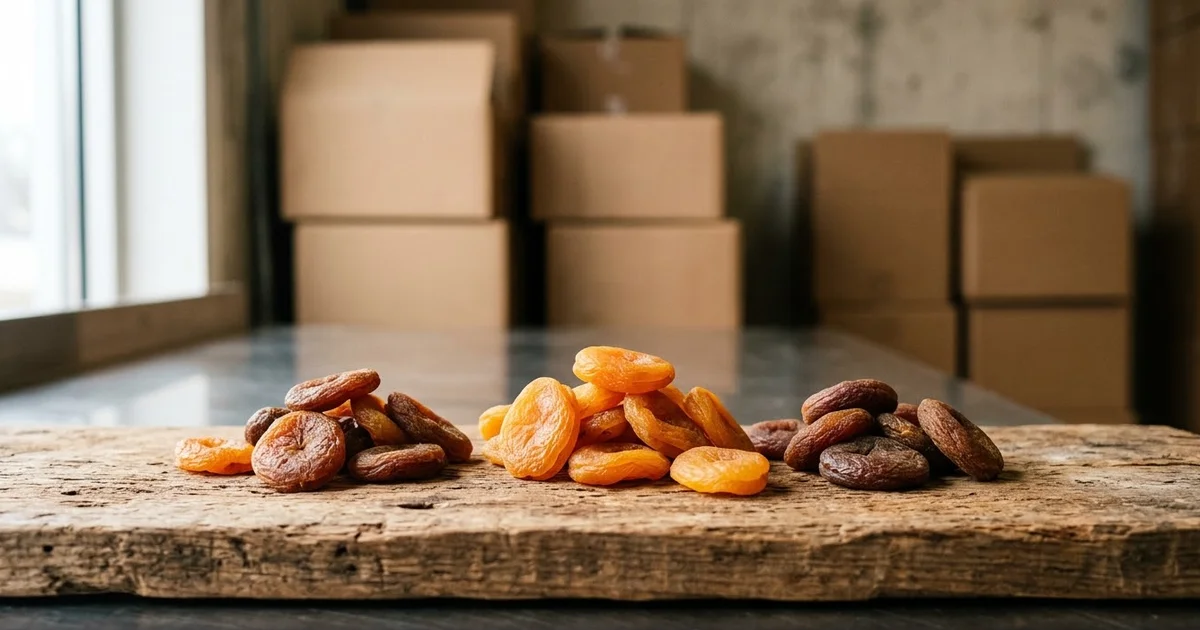
Abricot sec : lire un calibre n°1 à n°4, soufré ou non
How to read size grades No.1 to No.4 for dehydrated apricots, and choose between sulphured and unsulphured based on professional kitchen use. Buyer’s guide for foodservice, pastry chefs, and specialty grocery stores.
 dried-fruits
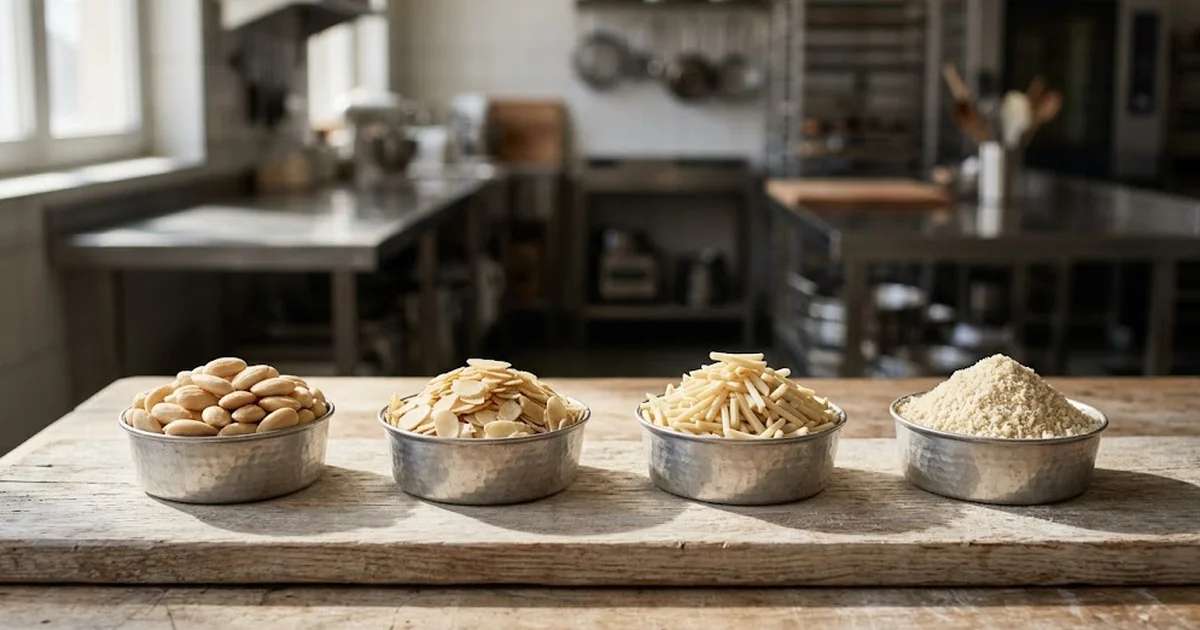
Amande émondée, effilée, bâtonnet, poudre : quel format pour quel usage
Professional guide: uses, cooking performance, and storage of blanched almonds, flaked, slivered, and powdered. Procurement and B2B logistics tips from Palimex.