
Bulk spices: the essentials for professionals
Pepper, chili, cumin, turmeric, ras el hanout, saffron: how to choose bulk spices, whole or ground, foodservice pack sizes, storage and stock rotation.
Spices have become indispensable in professional kitchens as well as on grocery shelves. They set a recipe apart, enrich a resale offer and bring real perceived value to the end customer.
For a restaurateur, caterer, delicatessen, greengrocer or specialty shop, buying spices in bulk helps secure volumes, keep costs under control and ensure consistent flavour.
Yet not all spices serve the same purpose. Some are essential in hot cooking, while others are better suited to resale, marinades, North African dishes, grilling or catering preparations. This guide covers the spice families to keep in stock, whole versus ground, professional pack sizes, storage and stock rotation.
Why buy your spices in bulk?
Buying in bulk gives you formats designed for professionals: sachets, boxes, lots, 1 kg packs or larger packaging depending on your needs. It is a real advantage for high-turnover kitchens, preparation units, grocery aisles and shops that want to offer a complete range.
A good bulk spice supplier must also guarantee traceability, batch consistency, aromatic freshness and packaging suited to professional storage.
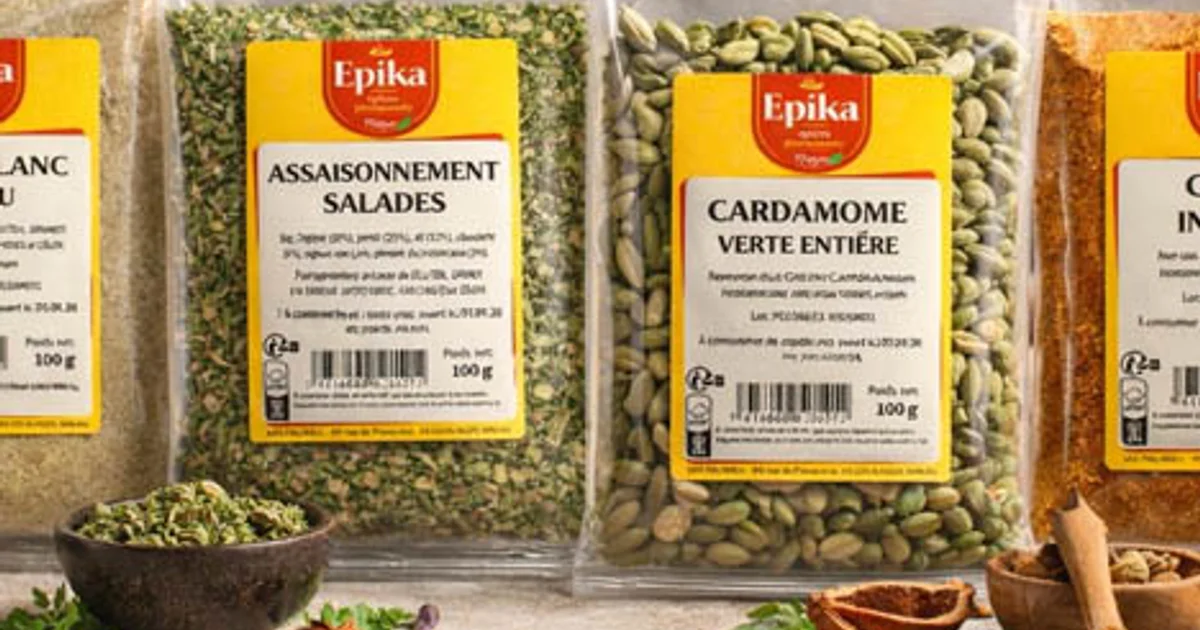
At Palimex, the spice range is built for the food trade with a wide selection: garlic, cinnamon, coriander, cumin, turmeric, curry, ginger, paprika, chili, pepper, ras el hanout, saffron, salts, sesame, aromatic herbs and ready-to-use blends, under the Epika and Espig brands.
The spice families to keep in stock
For foodservice and caterers, certain references are indispensable because they go into so many recipes. Rather than an endless list, think in families: each one covers a use and is reordered at its own pace.
The basics: pepper, cumin, turmeric, paprika
Pepper, whole or ground, is a staple of every professional kitchen: it is often the fastest-moving reference, and the one where a loss of freshness shows first.
Cumin is widely used in North African dishes, vegetables, slow-cooked meats and chickpea-based preparations. It comes both as whole cumin seeds and as a powder, so you can choose according to the workstation. Turmeric brings a warm colour and a mild note, ideal in sauces, rice, tagines and ready meals. Paprika is essential for marinades, grilling, potatoes, poultry and Mediterranean recipes; sweet ground paprika adds colour as much as flavour.
The heat: ground and flaked chili
Chili comes in several intensities: sweet ground chili for colour and roundness, hot ground cayenne to lift a sauce, hot chili flakes for a visible finish on a pizza, a grill or a chili oil. In the kitchen, keeping mild and hot as two separate references avoids dosing mistakes from one service to the next.
Blends: ras el hanout, curry and ready-to-use mixes
Curry remains a highly versatile reference for sauces, poultry, vegetables, rice and exotic recipes. Blends such as ras el hanout (yellow or red), couscous, chorba, kebab, kefta, chili or barbecue spices save time while keeping a consistent flavour signature. For more on using them in service, see our article on CHR spice blends: ras el hanout, colombo, tandoori.
Herbs, seeds and premium spices
Aromatic herbs complement spices in marinades, sauces and pizzas. Sesame, including whole black sesame, is used to finish breads, salads and Asian dishes. Finally, saffron and Ceylon cinnamon belong to the premium spices: low volumes, high value, and storage that deserves extra care.
High-value spices for delicatessens
In resale, the goal is not only to stock useful products but to build an attractive range. Premium spices, world blends and well-presented small formats perform very well as impulse purchases.
A grocery store can organise its shelf around several families: everyday basics, North African spices, world cuisine blends, peppers, salts, aromatic herbs and premium spices such as saffron or Ceylon cinnamon.
This layout helps customers understand the offer and makes cross-selling easier with other products: olives, oils, pulses, dried fruit, semolina, dates or North African specialities.
Whole or ground spices: which to choose?
Ground spices are practical, quick to use and ideal for kitchens that need consistent dosing. They work very well in sauces, marinades, stuffings, catering preparations and large-scale production.
Whole spices, such as certain seeds, berries or cinnamon sticks, keep their aroma better over time. They suit professionals who want to grind to order, infuse, toast or offer a more premium presentation on the shelf.
The right choice depends on your use: speed and consistency for powders, aromatic intensity and premium presentation for whole spices. Many kitchens mix both: powder for fast-moving basics, whole for references opened only occasionally. The full calculation, lost aroma against labour time, is set out in Whole or Ground Spices: The Cost in Flavour.
Which pack sizes for foodservice and resale?
Choose the format on actual consumption, not on the displayed price per kilo. The catalogue follows two main logics:
- 100 g sachets packed in cases of 15 or 20: suited to grocery stores (one sachet = one retail unit) and to kitchens that prefer to open small quantities at a time.
- 1 kg packs, and 500 g for some references: designed for kitchens and preparation units that use the same spice every week.
A simple rule: a large format is only worth it if it is used up before it loses its aroma. For a spice used once a week, several small sealed sachets beat one big container left open for months.
Storing spices properly in a professional setting
Spices are sensitive to air, light, humidity and heat. Poor storage reduces their aromatic intensity and causes caking, especially with powders.
To maintain quality, store spices in a dry, temperate place away from light, in tightly closed containers. Keep them away from ranges, ovens and dishwashing areas: heat and steam are the main causes of lost aroma and clumping in a kitchen.
Aroma loss is gradual and silent: a stale powder does not look any different, it tastes different, and it leads to overdosing. That is why writing the opening date on each container is a useful habit, alongside tracking the best-before date and batch number in your HACCP plan.
Organising spice stock rotation
Rotation should match actual turnover: it is better to choose a format consistent with your volumes than a very large pack that stays open too long.
- First in, first out: place new deliveries behind opened containers.
- Sort by speed: basics (pepper, paprika, cumin, turmeric) on a regular order cycle, premium spices and specific blends on demand.
- Check opened containers: a pack opened long ago signals a format too large for its use.
- Group your orders: spices, dried fruit, olives and oils from one supplier make pallet or free delivery easier to reach.
How to choose your spice supplier
A professional supplier should offer a wide range, suitable packaging, clear traceability and references that match your business. For a restaurant, the priority is consistency and portion cost. For a delicatessen, presentation, variety and perceived value matter just as much.
Palimex supports professionals with a complete B2B offer in spices, dried fruit, olives, oils, pulses and world specialities. This lets you centralise purchasing and build a coherent offer, whether in the kitchen, on the shelf or in specialist resale.
Conclusion
Buying spices in bulk is a simple lever to improve profitability, secure supplies and enrich your offer. Cumin, turmeric, curry, paprika, pepper, ras el hanout, chili or saffron: each reference should be chosen according to its use, its turnover and your clientele.
For professionals looking for a reliable bulk spice supplier, Palimex offers a wide range under the Epika and Espig brands, designed for restaurants, caterers, delicatessens, greengrocers and distributors.
Frequently asked questions
Which spices should a restaurant buy first?
The basics that go into the most recipes: pepper, cumin, turmeric, paprika, chili and curry, plus one or two blends such as ras el hanout depending on your menu.
Should I buy whole or ground spices?
Ground for fast-moving references and consistent dosing, whole for those used occasionally or that you want to grind to order, as they keep their aroma better.
Which spice pack size suits foodservice?
The 1 kg pack suits spices used every week; 100 g sachets suit occasional references and resale in grocery stores.
How do I stop spices from losing their aroma?
Store them dry, away from light and heat sources, in tightly closed containers, and note the opening date so the oldest are used first.
Who is the Palimex spice range for?
Professionals only: restaurants, caterers, delicatessens, greengrocers and distributors, with pallet or free delivery.
Further reading
Frequently asked questions
Everything you need to know about this topic.
A question?
Get in touch directly.

Marketing & Communications Manager — Palimex / Meyva
As Marketing & Communications Manager at Palimex / Meyva, Aude Moyne leads the company's communications and digital marketing strategy: editorial content, email campaigns and the promotion of its product ranges. Her experience at Palimex, a specialist in dried fruit, nuts, olives and spices for professionals, has given her in-depth knowledge of the products, their origins and uses, and the expectations of food-industry professionals. The blog articles are written or supervised by her, in collaboration with Palimex's sales and product teams whenever a topic calls for specific expertise.
Our advice related to Grocery & Recipes
 Grocery & Recipes
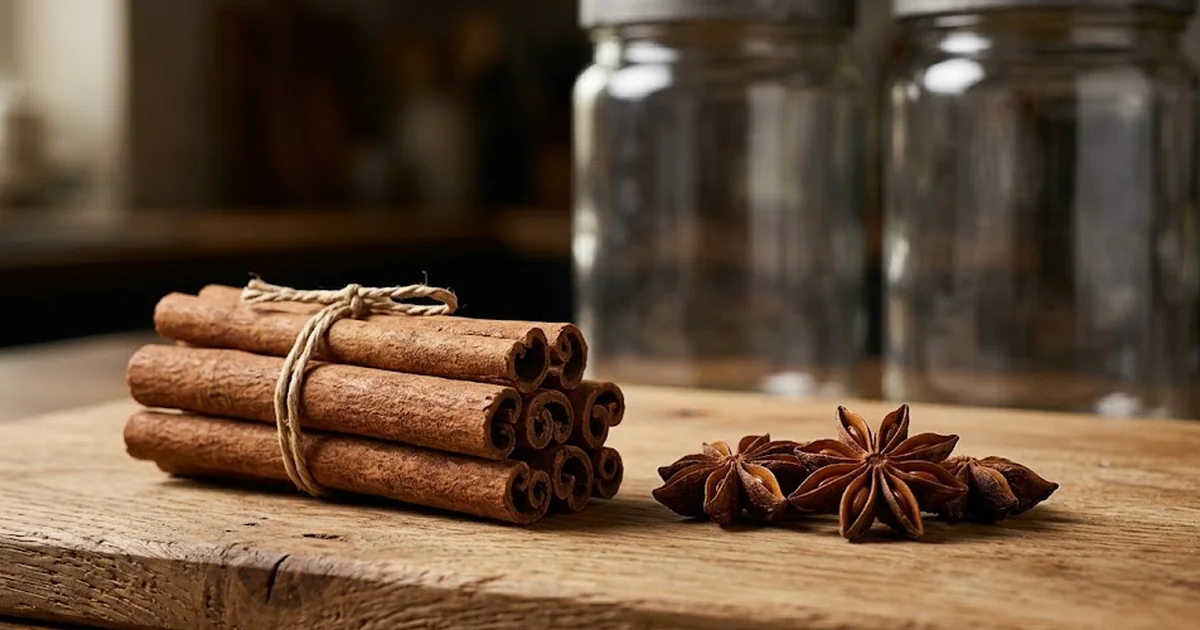
Épices de l'hiver : pain d'épices, vin chaud et pâtisserie de Noël, dosage et achat
Guide B2B des épices d'hiver pour boulangers, pâtissiers et CHR : dosages au kilo et au litre, mélanges vin chaud et pain d'épices, approvisionnement en gros.
 Grocery & Recipes
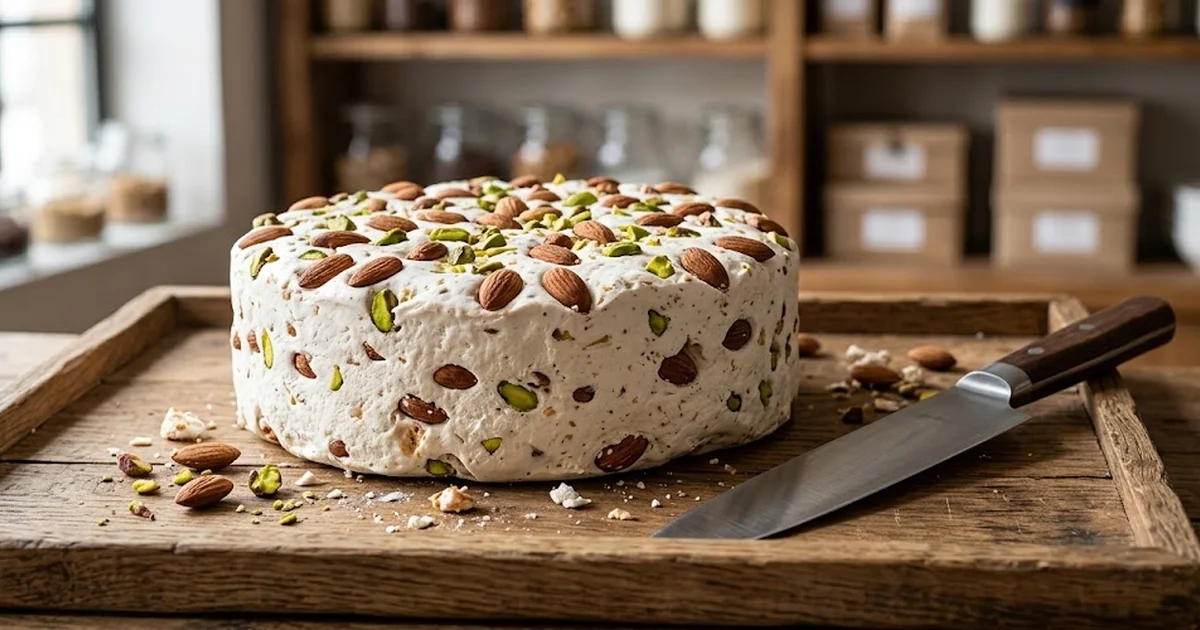
Nougat en meule : découpe à la coupe, conservation et vente au poids
Guide B2B pour épiceries et confiseries : réussir la découpe à la coupe du nougat en meule, limiter les pertes, maîtriser le stockage et l'affichage au poids.
 Grocery & Recipes
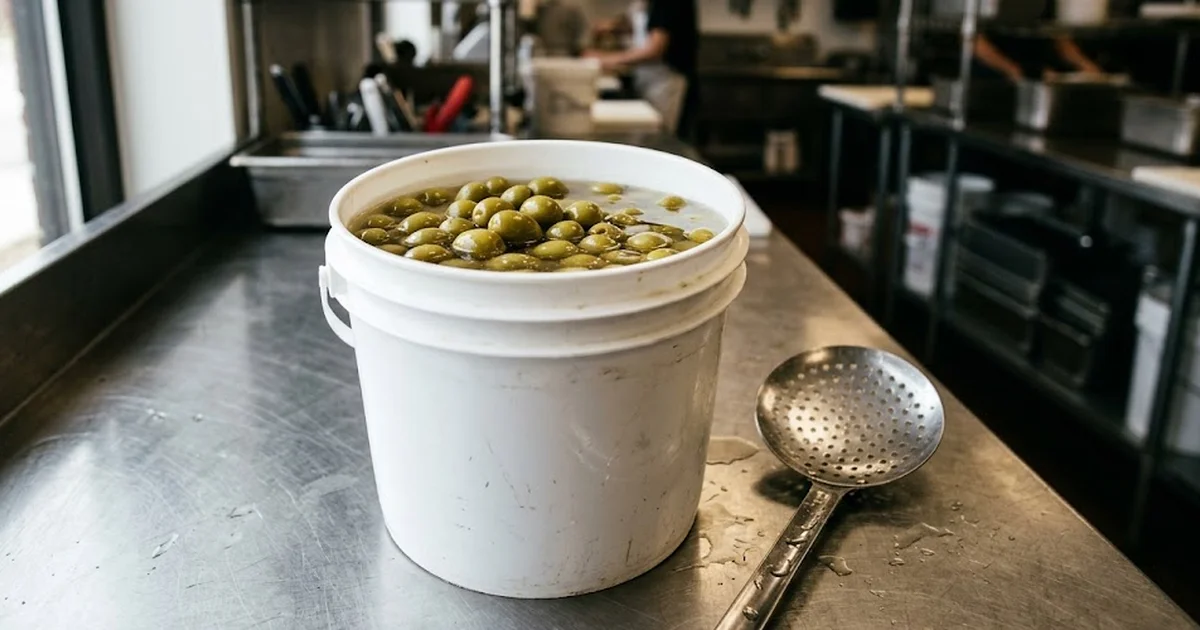
Seau d'olives entamé : durée de vie, saumure et gestion du reste
Comment conserver un seau d'olives entamé ? Rôle de la saumure, température, règles d'hygiène et gestion des tapenades : le guide professionnel Palimex.