
Bulk raisins: Malaga, Sultana, Golden | Palimex
Bulk raisins for professionals: Malaga, sultana, golden, Corinth. Calibres, moisture content, sulfites, and storage in CHR packaging.
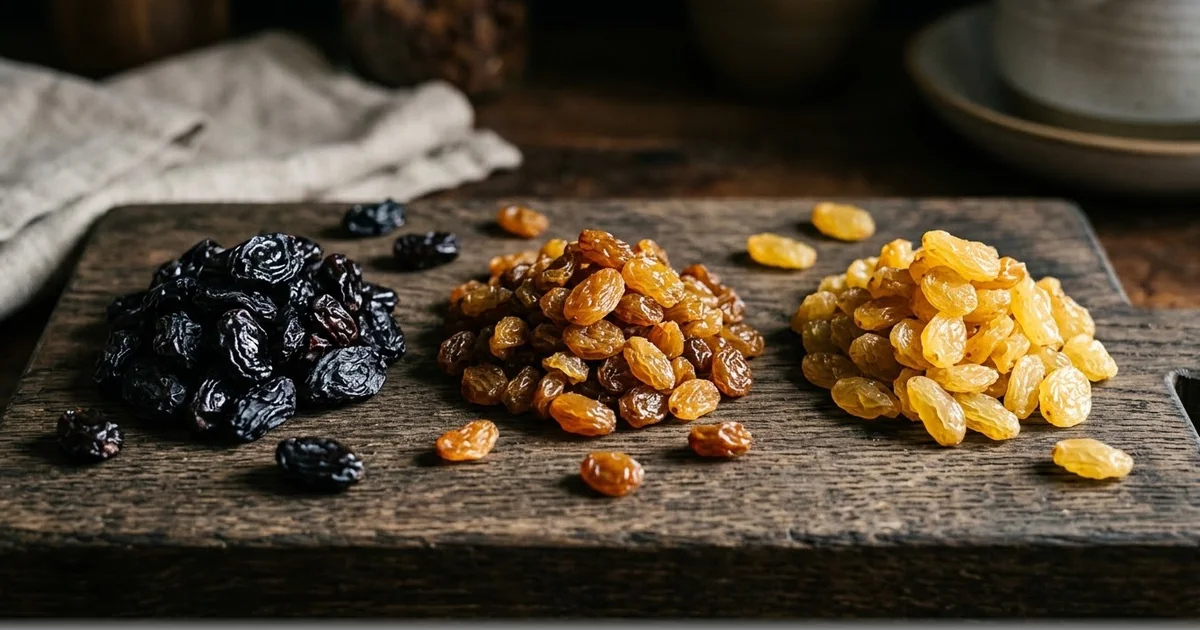
Raisins hold a strategic place in the assortments of pastry chefs, caterers, and fine grocery stores: they are used in brioches, cakes, panettone, sweet-and-savory stuffings, and mendiants. However, not all varieties are equal. Malaga muscat in bunches, Turkish sultana, golden treated with SO2, black Corinth: each origin has a profile of calibre, moisture, and taste that directly influences the result in the workshop. This article provides an overview for professional buyers who order in bulk and wish to secure their sourcing.
Overview of raisin varieties for professionals: Malaga, sultana, golden, Corinth
The term « Malaga raisin » actually covers several distinct commercial families, each derived from a specific grape variety and drying process. Understanding these differences allows you to choose the right product based on the intended use in pastry or catering preparation.
| Variety | Typical origin | Appearance / colour | Treatment | Preferred professional use |
|---|---|---|---|---|
| Malaga muscat in bunches | Mediterranean basin | Large grains, amber brown, still attached to the stem | Natural drying, without added preservatives | Catering presentation, cheese trays, high-end mendiants |
| Sultana | Turkey | Blond to golden grains, fine skin | Drying on racks, sometimes soaking in an alkaline solution before drying | Viennoiseries, cakes, panettone, stuffings |
| Golden | Turkey, South Africa, Iran | Bright golden yellow, pronounced softness | Treatment with SO2 (sulfur) to fix the light colour | Fine pastry, decoration, products where a light colour is desired |
| Black Corinth | Greece | Small black grains, fine skin, seedless | Natural sun drying | Bakery, English cake, industrial and artisanal biscuits |
In terms of taste, sultana remains the most versatile, with a sugar-acidity balance that suits most preparations. Black Corinth, smaller and more concentrated in sugar, provides a more intense note but requires adjusted dosing in recipes. Malaga muscat in bunches, rarer and more expensive, is reserved for premium presentations.
Calibres and moisture content: how to assess the softness of a raisin
For a professional buyer, calibre and moisture content are the two criteria that determine the final texture of the product in the mouth, as well as its behaviour during cooking or as a cold garnish.
- Calibre: expressed as the number of grains per ounce or by sieving grid according to suppliers; a high calibre (large grains) is sought for presentation, while a finer calibre is better suited to mixed preparations such as cake batter.
- Moisture content: the higher it is, the softer the raisin, but the shorter the optimal shelf life and the greater the risk of clumping in the bag.
- Batch uniformity: a batch homogeneous in calibre facilitates automated dosing in the production workshop and limits cooking discrepancies.
- Visual appearance: shine and absence of crystallised grains (sugar on the surface) are indicators of good batch preservation from sourcing to delivery.
The moisture content varies significantly depending on the variety and drying method. A raisin naturally sun-dried generally has a lower moisture content and a firmer texture, while a raisin rehydrated in a factory before packaging offers immediate softness but a shorter shelf life once the carton is opened.
Rehydration, maceration, and usage techniques in pastry and catering
Rehydration is a common step in the workshop to restore volume and flexibility to raisins before incorporation, particularly in leavened doughs or stuffings that require long cooking.
- Soaking in warm water for 15 to 30 minutes for preparations such as brioche or panettone.
- Maceration in alcohol (rum, cognac) or fruit juice for cakes and desserts based on macerated dried fruits, with careful draining before incorporation to avoid excess liquid in the dough.
- Dry incorporation directly into high-fat doughs (cookies, shortbread) where the cooking moisture is sufficient to soften the grain.
- Quick rinse with clear water before use in savoury dishes (tabbouleh, stuffings, stews) to remove any packaging dust residues.
At Palimex, we systematically recommend testing a sample of the received batch before mass production: rehydration behaviour can vary from one shipment to another depending on the harvest, even for the same reference. A quick check in the workshop avoids unpleasant surprises on a large order.
To explore incorporation techniques based on recipes, our section Pastry Chefs & Artisans – Raisins details concrete use cases by type of preparation.
Sulfites, allergen labelling, and HACCP compliance for professionals
Golden raisins, in particular, are treated with sulfur dioxide (SO2) to preserve their light colour and slow oxidation. This information must be clearly indicated on the labelling and reflected in the technical sheet provided to professional clients.
- Check for the presence of the « sulfites » mention on each delivered batch, with the rate indicated by the supplier.
- Keep technical sheets and analysis reports for HACCP traceability in your establishment.
- Systematically inform the end customer when the product is integrated as-is into a sold preparation (allergen labelling obligation in catering).
- Opt for Malaga in bunches or naturally dried Corinth if your clientele seeks products without added sulfite treatment.
For a precise understanding of allergen labelling obligations applicable to catering professionals, you can consult the official resources published by health authorities, for example on the website of the DGCCRF.
Storage, best-before date, and stock rotation in professional packaging
The shelf life of a raisin depends directly on its initial moisture content, packaging method, and storage conditions in the warehouse. Rigorous management of batches and best-before dates helps avoid losses in bulk packaging.
| Factor | Impact on storage | Professional best practice |
|---|---|---|
| High moisture content | Shorter best-before date, risk of fermentation or mould | Storage in a cool, dry environment, rapid FIFO rotation |
| Bulk carton packaging | Exposure to air once opened | Seal tightly after each use |
| Exposure to light | Colour loss, surface drying | Storage away from direct light |
| Temperature variation | Formation of sugar crystals on the surface | Stable temperature, ideally between 12 and 18 degrees |
We detail best practices for bulk storage in our dedicated article on storing dried fruits in professional stock, particularly useful for grocery stores managing multiple references in cartons.
Packaging formats and B2B logistics: ordering in bulk from Palimex
As a wholesaler active since 1984, Palimex offers raisins exclusively in professional packaging, suited to the volumes of CHR, pastry chefs, and fine grocery stores. No sales are made in small formats intended for private individuals.
- Cartons of 5 to 10 kg for pastry workshops and restaurant kitchens.
- Bulk bags for grocery stores wishing to offer weighed sales in-store.
- Delivery on pallets free of charge above a minimum order threshold, with batch documentation and traceability information for each reference.
- Sourcing monitored by origin (Turkey, Greece, Mediterranean basin) to ensure calibre consistency from one shipment to another.
To organise your recurring supplies, it is useful to combine your raisin needs with other complementary dried fruits. Our catalogue Dried fruits for professional pastry presents the most common combinations in workshops (raisins, apricots, figs).
Finally, for professionals who also manage spices and olives in the same supply chain, our page sourcing and batches for spices and olives provides additional guidance on managing bulk batches.
Summary: choosing the right bulk raisin based on professional use
The choice between Malaga muscat, sultana, golden, or black Corinth primarily depends on the final use: catering presentation for Malaga in bunches, versatility in bakery and pastry for sultana, light colour for golden, and concentrated flavour for Corinth. Calibre and moisture content determine the texture achieved in the workshop, while vigilance on sulfites and allergen labelling remains essential for any establishment subject to HACCP requirements. Rigorous management of best-before dates and storage conditions finally ensures secure stock rotation, even for large volumes delivered in cartons or on pallets. To refine your selection based on your production, the Palimex team remains available to guide your order towards the variety and calibre best suited to your activity.
A question?
Get in touch directly.
Our advice related to Dried-fruits
 dried-fruits
Seau, carton, sac de 25 kg : le conditionnement décide de la rotation
Bucket, carton, or 25 kg bag: which packaging to choose based on your actual turnover in professional kitchens. Palimex advice for foodservice, grocers, and pastry chefs.
 dried-fruits
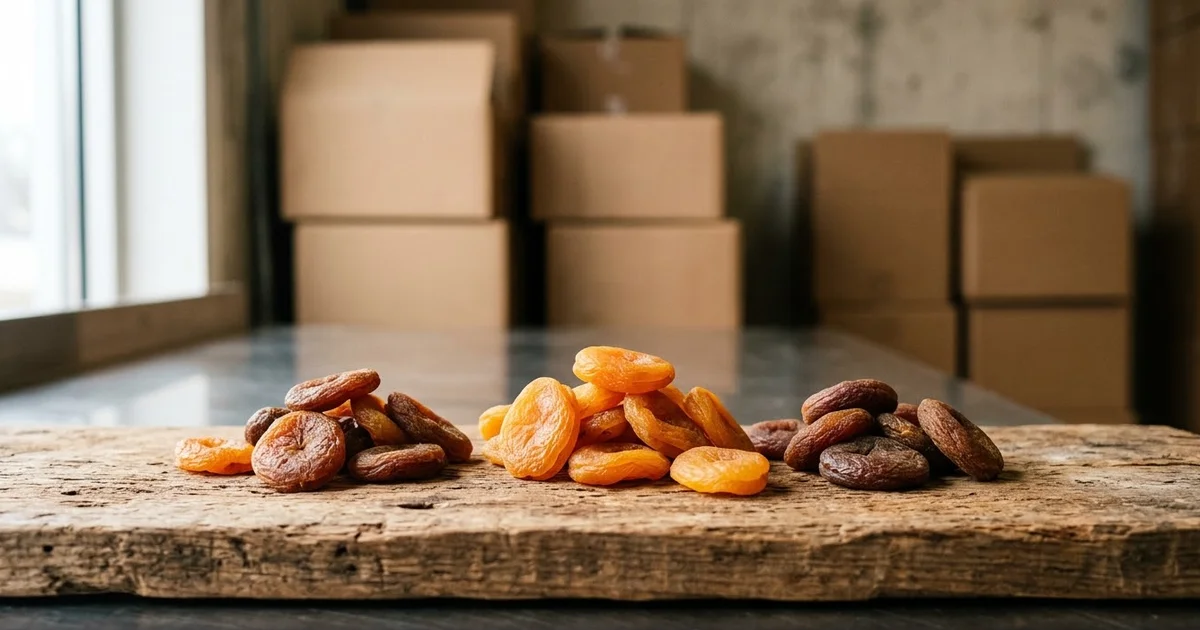
Abricot sec : lire un calibre n°1 à n°4, soufré ou non
How to read size grades No.1 to No.4 for dehydrated apricots, and choose between sulphured and unsulphured based on professional kitchen use. Buyer’s guide for foodservice, pastry chefs, and specialty grocery stores.
 dried-fruits
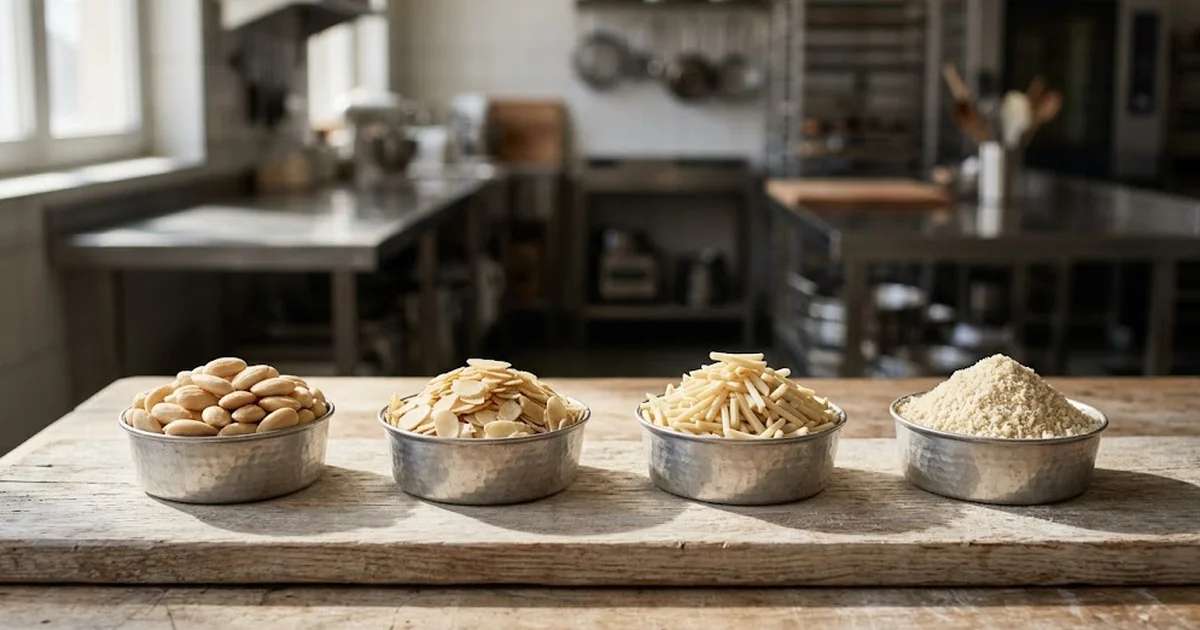
Amande émondée, effilée, bâtonnet, poudre : quel format pour quel usage
Professional guide: uses, cooking performance, and storage of blanched almonds, flaked, slivered, and powdered. Procurement and B2B logistics tips from Palimex.