
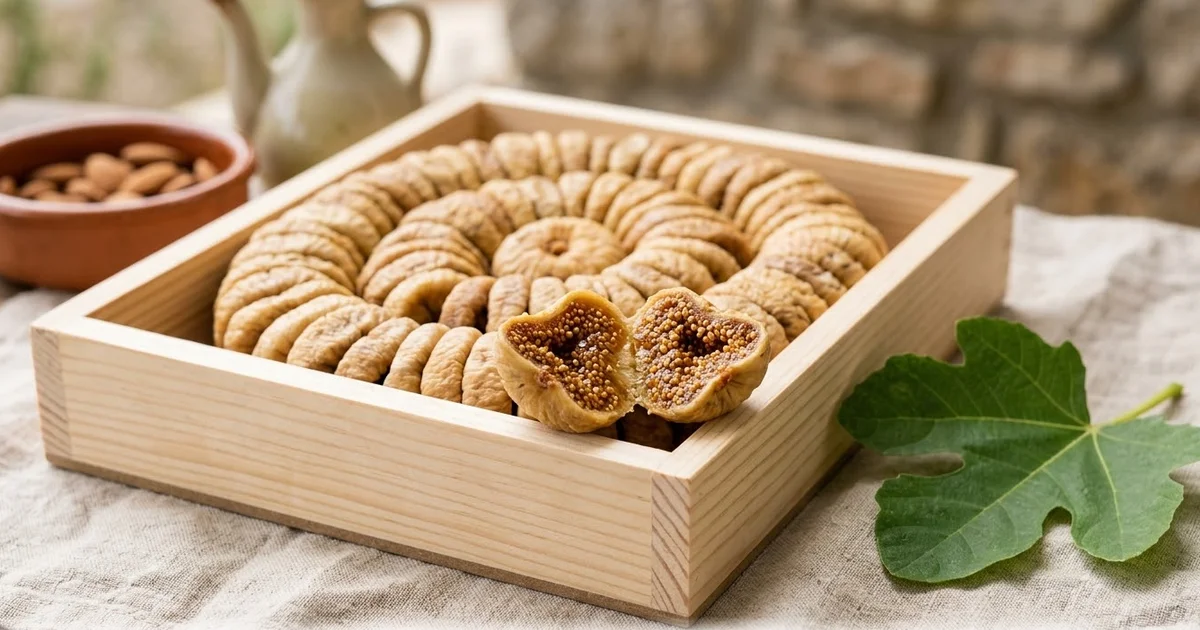
Bulk dried figs: Lerida, sizes, cartons
Bulk dried figs for professionals: origins, sizes, cartons and crowns. Sourcing, softness, best-before date and storage for foodservice and grocery stores.
The query “figue Lerida” regularly appears in searches by professional buyers, gourmet grocery stores, caterers, and restaurateurs. This term refers to a historical range of dried figs, associated with a presentation know-how and a specific origin. For bulk buyers, understanding what this commercial designation actually covers helps to better negotiate supplies, secure traceability, and anticipate culinary uses in the kitchen or on the shelf. This article reviews the origins, sizes, presentations, and quality criteria to know before placing a bulk order.
The Figue Lerida range at Palimex: a quality benchmark for professionals
The name “Lerida” is not a botanical variety but a commercial designation widely used in the wholesale dried fruit trade to refer to a traditional presentation of dried figs, often associated with a Spanish origin or a crown-style packaging. For a professional buyer, it is primarily a range benchmark, similar to other commercial designations in the dehydrated fruit sector.
- A range name inherited from decades of trade between Spain and Western European markets.
- A frequent association with soft figs, presented in crowns or cartons.
- An origin that must always be verified on the technical sheet and delivery note, as the commercial name alone does not guarantee the exact origin of the batch.
Find all our references in the category Dried fruits > Dried figs, where origins, sizes, and packagings available for professional orders are detailed.
Origins and varieties: Turkey (Izmir, Sarilop) and Spain
Two major production basins dominate the bulk supply of dried figs for the European market: Turkey and Spain. Each has different organoleptic and logistical characteristics, which should be known to guide sourcing according to the final use.
| Origin | Variety / style | Color and texture | Typical professional use |
|---|---|---|---|
| Turkey (Izmir) | Sarilop, solar drying | Golden beige, soft flesh, thin skin | Pastry, mendiants, appetizer platters |
| Spain | “Lerida” style, crown presentation | Brown to golden brown, dense and sweet texture | Gourmet grocery, gift boxes, cheese trays |
| Spain (industrial bulk) | Standard dried figs | Variable by batch, homogeneous size | Collective catering, culinary processing |
In both cases, the origin must be clearly stated on the traceability documents provided with each batch, a prerequisite for any professional subject to HACCP requirements in their establishment.
Sizes and numbering: how to read a supplier technical sheet
Size is one of the most determining criteria for a bulk purchase, as it affects yield in the kitchen, visual presentation, and price per kilogram. On supplier technical sheets for dried fruits, the numbering generally indicates the number of fruits contained in one kilogram.
- Size 6/8 or 8/10: large-sized figs, often reserved for crown or premium carton presentation.
- Size 10/12: intermediate format, versatile, suitable for both grocery sales and pastry use.
- Size 12/14 and above: smaller figs, often used for bulk cartons and processing (cutting, incorporation into preparations).
The higher the second number in the size range, the smaller and more numerous the fruits per kilogram. This point should be systematically checked before validating a pallet order, as a size discrepancy significantly alters the final appearance of a composition or plating.
Carton, crown, bulk box: which presentation for which use
The packaging method is not just a logistical question: it also determines the final use of the product and how it will be presented to the end customer.
- Carton: individual or small-format presentation, ideal for direct resale in gourmet grocery stores or professional gift boxes.
- Crown: figs arranged in a circle, a traditional format highly recognized by customers, suitable for festive trays and visual merchandising on shelves.
- Bulk box: bulk packaging (from 5 kg), intended for foodservice, industrial or artisanal pastry, and culinary processing requiring large volumes.
For a bulk order delivered on a franco pallet, the choice of format should consider the establishment’s stock rotation: a low-turnover grocery store will prefer cartons with a longer best-before date, while a high-consumption restaurant will optimize costs with bulk boxes.
Moisture content, softness, and best-before date: quality criteria to check before purchase
The softness of a dried fig depends directly on its residual moisture content after drying. A fig that is too dry loses its texture and gustatory appeal, while an insufficiently dried fig presents an increased risk of microbial development during storage.
- Check for a batch number and a clearly indicated best-before date on each received box.
- Request, if necessary, the technical sheet specifying the moisture content of the delivered batch.
- Check the texture of the figs upon receipt: a supple and slightly sticky flesh is a good indicator of softness without excess moisture.
- Keep a sample of each received batch for comparison in case of complaint or internal HACCP control.
“For dried figs, batch traceability is our best guarantee for professionals. We systematically recommend that our foodservice and grocery customers keep the batch number printed on each box until stock is exhausted: this document allows tracing the exact origin in case of questions about a specific batch.” — The Palimex team
Natural sugar bloom: it is not mold
This is one of the most frequent questions from our professional customers when receiving a box of dried figs: a slight whitish film on the fruit’s surface raises concerns, although in the vast majority of cases, it is a natural and harmless phenomenon.
This bloom corresponds to the migration and crystallization of the sugar naturally present in the fruit, a common phenomenon in dehydrated fruits with high sugar content like figs or dates. It manifests as:
- A fine, dry, crystalline white powder, evenly distributed.
- A complete absence of musty or fermented odor.
- An unchanged fruit texture beneath the white film.
This phenomenon should be clearly distinguished from fungal development, which instead results in colored spots (greenish, blackish, or bluish), a fuzzy texture, and a characteristic moldy odor. We detail all the signs to watch for and storage mistakes to avoid in our dedicated article: 5 mistakes that cause your dried fruits to mold. In case of doubt about a received batch, this guide helps make the distinction before any decision to return or discard.
Storage and preservation in a professional environment (HACCP)
Once received, bulk dried figs must be stored under conditions that preserve their softness while limiting the risks of microbial development, in accordance with good hygiene practices expected in a professional establishment.
- Store in a dry, ventilated area, protected from direct light and significant temperature variations.
- Seal opened boxes tightly, ideally in a dedicated food container after opening.
- Apply FIFO rotation (first in, first out) based on batch numbers and best-before dates.
- Avoid storage near strongly scented products, as dried figs are sensitive to odor transfer.
- Visually inspect stocks regularly, particularly during seasonal changes when ambient humidity varies.
To learn more about best storage practices applicable to all bulk-dried fruits and dehydrated products, you can also consult the Dried figs section of our professional catalog, which includes storage recommendations specific to each reference.
Choosing your dried fig reference based on your activity: comparison table
The choice between crown, carton, or bulk box, as well as the selected size, primarily depends on the professional buyer’s activity profile. This table summarizes the most common recommendations observed among our B2B customers.
| Type of activity | Recommended presentation | Indicative size | Bulk packaging |
|---|---|---|---|
| Gourmet grocery | Carton, crown | 6/8 to 10/12 | Boxes of 5 to 10 kg |
| Restaurant / foodservice | Bulk box | 10/12 to 12/14 | Boxes of 10 kg, pallet for regular volumes |
| Pastry / catering | Bulk box | 12/14 and above | Boxes of 10 kg and more, pallet order |
| Mass distribution / resale | Crown, carton | Depending on selected range | Franco pallet according to volumes |
For food professionals, international standards relating to dried fruits and their quality criteria are available from the Codex Alimentarius (FAO/WHO), a useful resource for understanding industry practices on an international scale.
Summary: how to buy Lerida dried figs in bulk
The “figue Lerida” range primarily refers to a commercial range name associated with a traditional presentation of dried figs, not to be confused with a single botanical variety. For a professional buyer, the key points to watch remain the same regardless of the chosen origin, Turkey or Spain: verify the size indicated on the technical sheet, choose the presentation suited to the intended use (carton, crown, or bulk box), ensure batch traceability and best-before date, and know how to distinguish natural sugar bloom from mold development. By applying these sourcing and storage best practices, grocery stores, foodservice operators, and pastry chefs secure both the quality of their supplies and the satisfaction of their end customers.
A question?
Get in touch directly.
Our advice related to Dried-fruits
 dried-fruits
Seau, carton, sac de 25 kg : le conditionnement décide de la rotation
Bucket, carton, or 25 kg bag: which packaging to choose based on your actual turnover in professional kitchens. Palimex advice for foodservice, grocers, and pastry chefs.
 dried-fruits
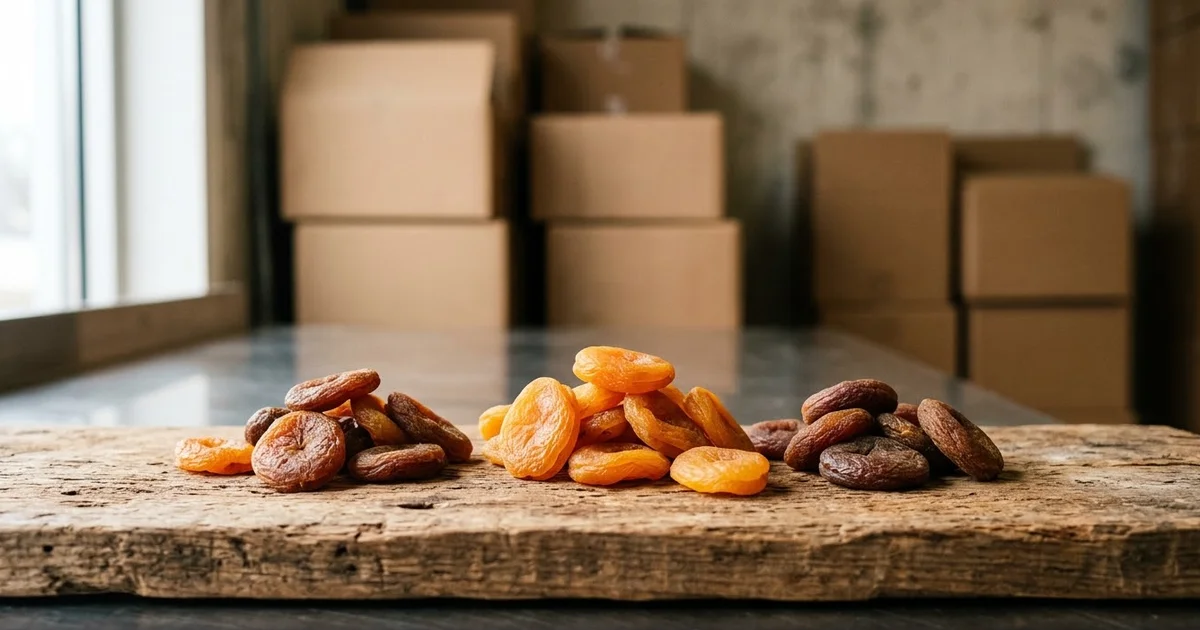
Abricot sec : lire un calibre n°1 à n°4, soufré ou non
How to read size grades No.1 to No.4 for dehydrated apricots, and choose between sulphured and unsulphured based on professional kitchen use. Buyer’s guide for foodservice, pastry chefs, and specialty grocery stores.
 dried-fruits
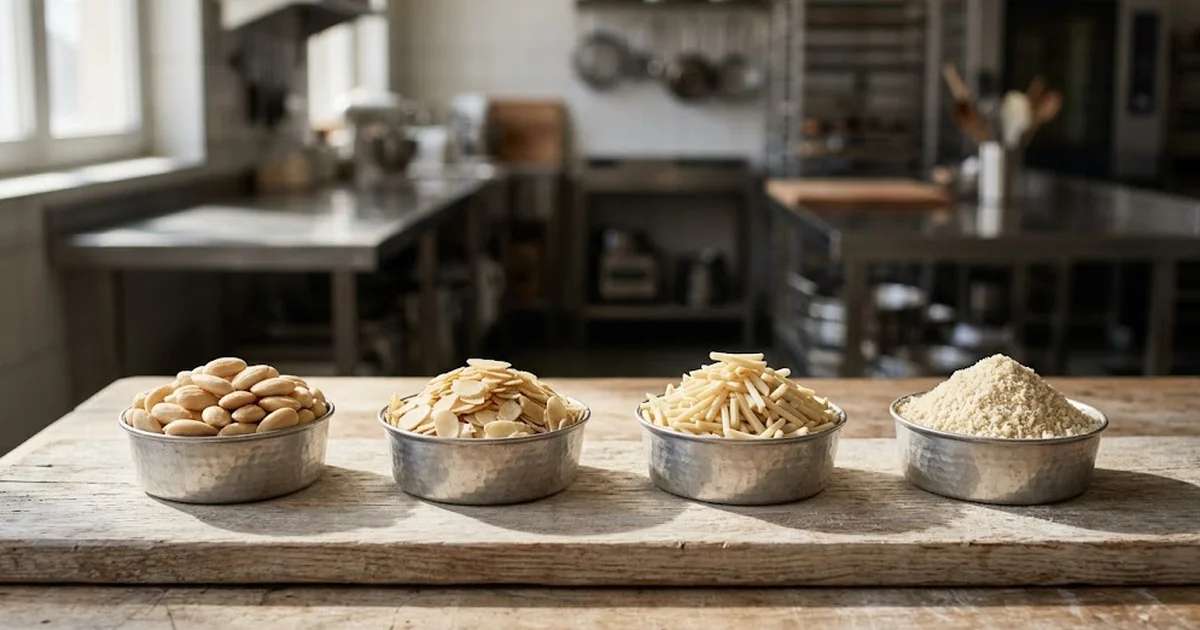
Amande émondée, effilée, bâtonnet, poudre : quel format pour quel usage
Professional guide: uses, cooking performance, and storage of blanched almonds, flaked, slivered, and powdered. Procurement and B2B logistics tips from Palimex.