
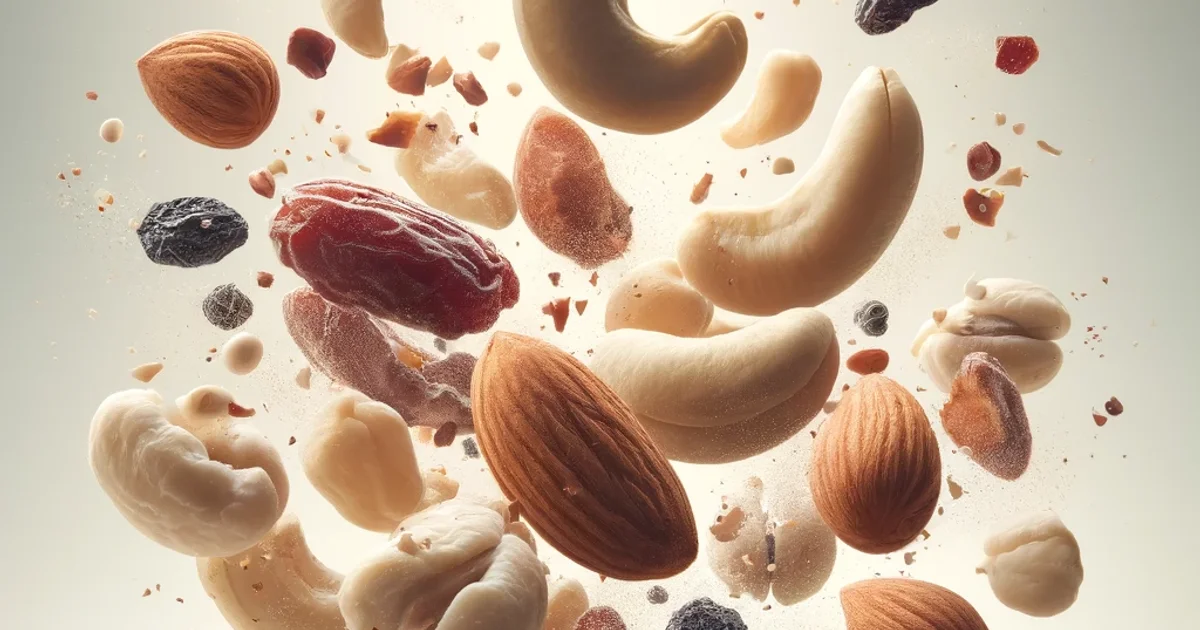
Guide: the 10 essential dried fruits for pastry chefs and caterers
Discover our top 10 essential dried fruits for pastry chefs and caterers. Perfect your recipes with the dried fruits offered by Palimex
Dried fruits are a cornerstone of professional gastronomy. Rich in concentrated flavors, varied textures, and essential nutrients, they provide pastry chefs and caterers with an unparalleled creative palette. Their long shelf life—often exceeding twelve months under optimal conditions—and their versatility make them strategic ingredients for controlling material costs while enhancing the quality of creations. Whether it’s flavoring a dough, adding crunch, enhancing a filling, or designing signature recipes, dried fruits meet all the demands of culinary professions. In this professional guide, discover our selection of the 10 essential dried fruits for your workshops, laboratories, and kitchens.
« Dried fruits are nature’s concentrates. Their low water content—generally below 25%—preserves and intensifies aromas, making them natural flavor enhancers for pastry and professional cuisine. »
— ANSES, Ciqual Nutritional Composition Table
Dried almonds: the indispensable foundation of pastry
Dried almonds hold the top spot in the professional pastry chef’s arsenal. Available in multiple forms—whole, flaked, in sticks, crushed, or powdered—they adapt to every stage of production. Almond powder is the foundation of tart bases, macarons, and joconde biscuits. Flaked almonds provide a refined decoration and delicate crunch after quick toasting.
Pastry chefs also use them to make:
- Frangipanes — base for king cakes and almond tarts
- Pralines and pralinés — caramelized mix of almonds and hazelnuts
- Nougats — traditional confectionery combining honey, egg whites, and almonds
- Marzipan and almond paste — decoration and modeling for tiered cakes
- Financiers and visitandines — moist biscuits made with almond powder and brown butter
- Premium snacking — whole roasted almonds, plain or flavored, for catering buffets
With 21 g of protein per 100 g and a richness in vitamin E, almonds also help meet the growing demand for more nutritious pastries. Their ability to partially replace wheat flour makes them an ally for gluten-free ranges.
Dried apricots: sweetness and color in professional cuisine
With their sunny color and gourmet, slightly tangy flavor, dried apricots bring a touch of sweetness and softness to both sweet and savory preparations. In pastry, they are incorporated into tarts, charlottes, entremets, and compotes. In catering, they enhance tagines, composed salads, and poultry stuffings.
Diced dried apricots are particularly suited to cakes, stuffed brioches, and fruit bars thanks to their regular cut, ensuring even distribution in the dough. Dried apricot excels in balancing flavors: its natural fruity note counteracts the richness of butter and chocolate, while its slight acidity enhances sweet-savory fillings favored by caterers.
For professionals concerned with quality, opt for category n°1 dried apricots, whose residual moisture content—between 20 and 25%—ensures optimal softness in the mouth.
Dried figs: an exceptional Mediterranean flavor
The dried fig captivates with its intense aroma and soft texture, punctuated by small crunchy seeds that offer a unique sensory experience. This quintessential Mediterranean ingredient finds its place in many professional preparations:
- Traditional desserts — biscuits, fruit cakes, gingerbread
- Artisanal spreads — jams, compotes, fruit pastes
- Beverages and syrups — flavored infusions, aromatic waters for buffets
- Cheese platters — ideal pairing for goat cheese and blue-veined cheeses
- Confections and mendiants — pairing with dark chocolate for refined bites
The dried fig also stands out for its fiber content (9.8 g per 100 g according to Ciqual data), making it a valuable ingredient for wellness and nutrition ranges increasingly sought after by high-end catering clientele.
Dried dates: the natural sweetener for professionals
Dried dates are naturally sweet and soft, with a sweetness level that positions them as a natural alternative to refined sugar. Their melting texture allows binding preparations without adding extra binders—a technical advantage that pastry chefs leverage in energy bars, energy balls, and artisanal spreads.
In pastry, they allow for naturally sweetening smoothies, creams, and cake batters. In catering, a few dried dates are enough to enhance and enrich the flavor of slow-cooked dishes: lamb tagines, poultry stews, royal couscous, or even exotic marinades. The Medjoul variety, known as the « queen of dates », is particularly prized for buffet presentations thanks to its generous size and melting flesh.
Raisins: versatility and traditional know-how
An undisputed reference in natural sweet snacking, raisins come in several varieties—blond sultanas, golden, or black Corinth—each offering a distinct aromatic profile. Their concentrated flavor and juicy texture make them a universally appreciated ingredient in culinary professions.
Professional applications of raisins cover a remarkably broad spectrum:
- Bakery and viennoiserie — brioches, raisin breads, cramiques, stollen
- Pastry — cookies, puddings, far breton, revisited clafoutis
- Catering — tabbouleh, composed salads, chutneys, poultry stuffings
- Aperitif and snacking — trail mix blends, pairings with roasted nuts
For even distribution in doughs, pre-soaking raisins in a flavored liquid (rum, orange juice, tea) remains a proven professional technique to prevent them from absorbing the dough’s moisture during baking.
Dried pineapple: the exotic touch that stands out
Dried pineapple brings a tangy, tropical touch to many culinary creations. Its exotic flavor, both sweet and sharp, makes it a differentiating ingredient for pastry chefs looking to move beyond classics.
Diced dehydrated pineapple is particularly appreciated for decorating cakes, cheesecakes, and verrines. They can be coated in chocolate for original mignardises. Dried pineapple also finds its place in premium dried fruit mixes, artisanal granolas, and frozen desserts. In slice form, it becomes a spectacular decorative element for catering buffets and cocktail pieces.
Dried cherries, apples, prunes, and mangoes: completing the professional’s palette
Beyond the five pillars of almond, apricot, fig, date, and raisin, four other dried fruits complete the demanding pastry chef’s and caterer’s arsenal.
Dried cherries
With their vibrant red and sweet-tangy flavor, dried cherries are true gems for dessert decoration. They enhance muffins, cookies, brownies, and specialty breads, while providing a color and flavor instantly recognizable. Their balanced aromatic profile adds depth to the most elaborate creations.
Dried apples
In chips or pieces, dried apples bring a mild flavor and slightly crunchy texture. They are essential for muffins, crumbles, and strudels. In catering, they garnish artisanal charcuterie and cheese platters. Their versatility extends to cereal mixes and puff pastries.
Dried prunes
Renowned for their unmatched softness and natural sweetening power, dried prunes are the stars of far breton, cakes, and entremets. In catering, they excel in sweet-savory creations: accompaniment for roasts, terrine fillings, poultry ballotines. The Agen prune, protected by a Protected Geographical Indication (IGP), remains the absolute quality benchmark for French professionals.
Dried mangoes
With its pronounced tropical flavor and tender texture, dried mango is a star ingredient for fruit salads, homemade mueslis, and premium snacks. It provides a true taste escape and is perfect for exotic desserts, flavored granolas, and modern catering compositions.
Comparison table: choosing the right dried fruit for your profession
Each dried fruit has technical characteristics that guide its professional use. This table summarizes the key criteria to guide your sourcing.
| Dried fruit | Dominant texture | Pastry use | Catering use | Shelf life (months) |
|---|---|---|---|---|
| Almond | Crunchy | Frangipane, macaron, financier | Snacking, praline aperitif | 12 to 18 |
| Dried apricot | Soft | Cake, tart, fruit bar | Tagine, stuffing, salad | 12 |
| Dried fig | Soft and grainy | Biscuit, gingerbread | Cheese platter, confectionery | 12 |
| Date | Melting | Energy ball, spread | Tagine, couscous, buffet | 12 to 18 |
| Raisin | Juicy | Brioche, cookie, pudding | Tabbouleh, chutney, stuffing | 12 to 24 |
| Dried pineapple | Firm and tangy | Cheesecake, verrine, granola | Exotic buffet, cocktail | 12 |
| Dried cherry | Tender | Muffin, brownie, mendiant | Dessert decoration, salad | 12 |
| Dried apple | Crunchy | Crumble, strudel, muffin | Charcuterie/cheese platter | 12 |
| Prune | Melting | Far breton, cake, entremets | Roast, terrine, ballotine | 12 to 18 |
| Dried mango | Tender and fibrous | Exotic dessert, granola | Verrine, modern composition | 12 |
Best practices for storage and use in the laboratory
Mastering the storage of dried fruits is a key quality factor for professionals. Improper storage alters aromas, changes textures, and can compromise food safety. Here are the essential rules to follow in your laboratory.
- Storage temperature — Keep between 10 °C and 18 °C, away from direct light and heat sources
- Controlled humidity — Maintain ambient humidity below 65% to prevent moisture absorption and mold growth
- Hermetic packaging — Always reseal buckets and bags after each use, or transfer to GN containers with lids
- Stock rotation (FIFO) — Strictly apply the « first in, first out » principle and note the opening date on each container
- Family separation — Store dried fruits away from spices and strong-smelling products to avoid flavor transfer
- Traceability — Keep supplier labels with batch numbers to ensure traceability in case of health inspections
« The preservation of dried fruits relies on maintaining a water activity (Aw) below 0.65. Beyond this threshold, the risk of microbial proliferation increases significantly. »
— Regulation (EC) No 852/2004 on the hygiene of foodstuffs, Annex II
To learn more about hygiene standards applicable to food products in France, consult the DGCCRF portal, which details regulatory obligations for culinary professionals.
Palimex: your French dried fruit wholesaler since 1984
Since 1984, Palimex has been a key player in France in the processing, roasting, and wholesale distribution of dried fruits exclusively for professionals. The company serves pastry chefs, caterers, bakers, restaurateurs, grocers, greengrocers, and bulk stores looking for consistent quality products and reliable sourcing.
Premium products prepared in France
Palimex highlights premium products, prepared and packaged in France to ensure optimal freshness, impeccable crunch, and authentic flavor. The company selects the best varieties and origins for each category of dried fruits. With its flagship brand Meyva, Palimex embodies all French expertise through locally controlled roasting and a commitment to transparency and authenticity.
A catalog tailored to professionals
The Palimex online store offers a complete range of dried fruit buckets specifically designed for professionals. It features a wide selection of dehydrated fruits: figs, dates, Medjoul dates, apples, pineapples, almonds, apricots, and prunes from France, among others. This range is perfectly suited for fruit and vegetable stores, market stalls, and production workshops.
Custom packaging solutions
Always attentive to professionals’ needs, Palimex offers multiple packaging formats to suit every use:
- Buckets from 3 to 10 kg — ideal format for pastry laboratories and catering kitchens
- Bags and trays — practical packaging for resale in gourmet grocery stores and bulk stores
- Jars and pots — neat presentation for counters and displays
- Bulk large volume — economical sourcing for high-volume consumers and purchasing centers
This variety of formats allows Palimex to effectively support all culinary professions, from catering to artisanal pastry, by offering products designed to meet their quality, practicality, and profitability requirements.
Dried fruits: strategic allies for your professional creations
The ten dried fruits presented in this guide—almonds, apricots, figs, dates, raisins, pineapples, cherries, apples, prunes, and mangoes—form the foundation of a comprehensive professional sourcing. Each brings a specific aromatic profile, texture, and technical properties that allow pastry chefs and caterers to diversify their creations while controlling material costs.
Their long shelf life, high flavor concentration, and versatility make them high-return-on-investment ingredients. Integrated into a quality approach, with controlled storage and rigorous sourcing, dried fruits become a true differentiation lever for professionals looking to offer gourmet, healthy, and original ranges to their clientele.
Would you like to receive a personalized quote or discover our full catalog? Contact the Palimex team to benefit from the expertise of a French wholesaler specialized for over 40 years in professional-quality dried fruits.
Further reading
Additional resources on our blog:
- choosing a dried fruit wholesaler
- storage guide
- top 10 dried fruits for pastry chefs
- breakfast trends
Further reading
Frequently asked questions
Everything you need to know about this topic.
A question?
Get in touch directly.

Marketing & Communications Manager — Palimex / Meyva
As Marketing & Communications Manager at Palimex / Meyva, Aude Moyne leads the company's communications and digital marketing strategy: editorial content, email campaigns and the promotion of its product ranges. Her experience at Palimex, a specialist in dried fruit, nuts, olives and spices for professionals, has given her in-depth knowledge of the products, their origins and uses, and the expectations of food-industry professionals. The blog articles are written or supervised by her, in collaboration with Palimex's sales and product teams whenever a topic calls for specific expertise.
Our advice related to Pro tips
 Pro tips
Paniers garnis de fin d'année pour les entreprises : les composer en épicerie fine
Composez des paniers garnis de fin d'année rentables pour entreprises et CSE : sélection de produits, formats stables, prix de revient et facturation B2B.
 Pro tips
Commandes de fin d'année : le calendrier d'achat d'un pâtissier-chocolatier, d'octobre à décembre
Commandes de fin d'année : calendrier d'achat d'octobre à décembre pour pâtissier-chocolatier. Cadencez fruits secs, confits et marrons sans rupture.
 Pro tips
Triman, REP et éco-contribution : l'emballage d'un préemballé alimentaire
Reconditionnement de denrées et vente au consommateur : obligations REP, identifiant IDU, signalétique Triman et Info-tri. Le guide légal pour les professionnels.