
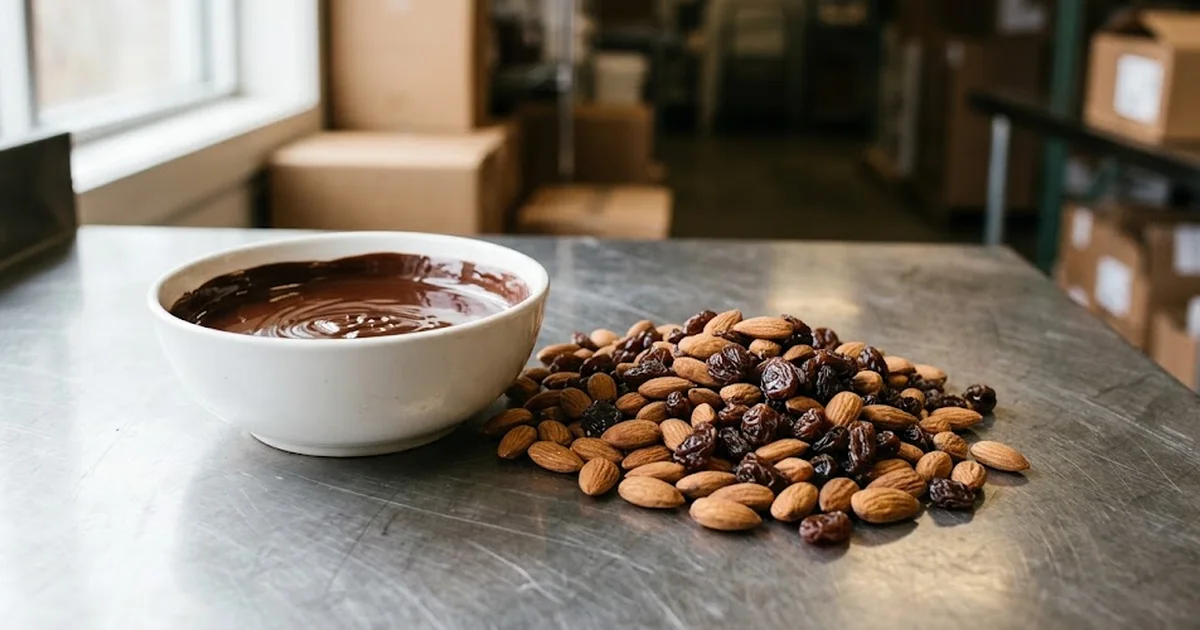
Chocolatier : choisir ses fruits secs d'enrobage et de fourrage
Size, moisture content, roasting: A professional guide to selecting almonds, hazelnuts, pistachios, and coating or filling dried fruits and nuts for chocolate production.
In chocolate production, dried fruits and nuts are never just a secondary ingredient: they determine the coating’s stability, the filling’s texture, and ultimately, the quality perceived by the end customer. Irregular sizing, poorly controlled moisture content, or inconsistent roasting can compromise an entire batch of chocolate confections or filled bars. This article outlines the key criteria to verify before incorporating dried fruits and nuts into a coating or filling recipe, whether in a foodservice workshop or a pastry-chocolate lab.
What a Chocolatier Demands from Dried Fruits and Nuts Before Coating or Filling
Before even considering flavour, a professional chocolatier evaluates dried fruits and nuts based on precise technical criteria—often invisible to the end consumer but critical for production. These criteria vary depending on whether the fruit or nut is intended for coating (almond, hazelnut, raisin) or incorporation into a filling (date, apricot, fruit paste).
- Consistent sizing: Essential for uniform machine or hand coating, avoiding uneven thickness or exposed areas.
- Controlled moisture content: A fruit or nut with excessive moisture releases water upon contact with tempered chocolate, causing fat or sugar bloom.
- Appropriate roasting: Enhances the aromas of almonds and hazelnuts while stabilising the fruit or nut before coating.
- Dipping stability: The fruit or nut must neither disintegrate nor absorb chocolate unevenly during immersion.
- Batch consistency: Two consecutive orders must exhibit the same sizing and texture to ensure reproducible production.
These requirements directly relate to reviewing supplier technical data sheets—a practice we detail in our guide on sizing and grades for dried fruits and nuts.
Almonds, Hazelnuts, Pistachios: Which Size for Which Use in Chocolate Production
Nuts remain the foundation of coating and filling in chocolate production. The choice of format—whole, flaked, in pieces, or powdered—depends directly on the intended use: coated dragées, praline, ganache, or finishing decorations.
| Dried Fruit/Nut | Recommended Format | Primary Use | Key Consideration |
|---|---|---|---|
| Almond | Whole blanched, flaked, or powdered | Whole coating, decoration, praline base | Uniform roasting before coating |
| Hazelnut | Whole or broken | Praline, crunchy filling | Rapid rancidity if stored too long |
| Pistachio | Shelled whole or powdered | Spread filling, colourful decoration | Moisture content control for paste |
| Date | Pitted or layered | Soft filling, textured ganache | Firmness varies by origin |
| Dried apricot | Whole or in chunks | Filling compote, inclusion | Sweetness adjustment per recipe |
| Raisin | Jumbo or standard | Chocolate coating, praline inclusion | Consistent sizing for uniform coating |
For whole coating, size consistency takes priority over all other considerations: a batch of almonds with heterogeneous sizing results in unevenly coated pieces, difficult to standardise in packaging. Our almond formats are detailed in the guide blanched, flaked, powdered: which format to choose, useful for deciding between whole coating and praline base. For pistachios, dosage in filling or spread is covered in our article on pistachio cream and its use in pastry, a reference for calibrating proportions before production.
Dried Fruits and Candied Fruits for Filling: Dates, Apricots, Raisins
Filling relies on a different product category: soft fruits, dates, and raisins provide natural texture and sweetness without systematically resorting to traditional candied fruits. Dates, in particular, are a staple for soft fillings in high-end chocolate confections.
- Pitted date: Blended or in pieces, it serves as a soft filling base without added sugar.
- Dried apricot: As compote or diced, it adds acidity to balance the creaminess of milk chocolate.
- Jumbo raisin: Whole-coated in dark chocolate, it’s a classic of loose confectionery sold by weight in gourmet grocery stores.
- Soft fruits (fig, prune): Used as inclusions for textured bars or mendiants.
Our dates range includes several formats suited for filling, from layered dates to bulk pitted dates. For whole dark chocolate coating, a consistently sized raisin like the golden jumbo raisin ensures homogeneous machine coating, with each grain closely matching the next in size.
Moisture Content and Chocolate Bloom: What to Check Upon Receipt
Chocolate bloom after coating is one of the most common issues in workshops, and it’s not always due to tempering. A dried fruit or nut with excessive moisture, poorly stored, or packaged too soon after drying releases water vapour upon contact with still-warm chocolate, causing sugar or fat migration to the surface.
At Palimex, we regularly receive feedback from chocolate workshops reporting localised bloom after coating. In the vast majority of cases we’ve analysed with our clients, the dried fruit or nut had been stored in an overly humid environment before use and not preserved according to the guidelines we provide upon delivery. Our advice: Open each box upon receipt, visually check for condensation, and allow the fruit or nut to acclimate to workshop temperature before any coating.
Storage before production is therefore a full-fledged quality control point. Our article storing dried fruits and nuts: storage and shelf life details the storage conditions to follow between receipt and production. For date batches intended for filling, where texture is more sensitive to excessive dehydration, the guide storing Medjool dates professionally provides additional benchmarks. For general dry food hygiene in workshops, the public resources from the ANSES serve as a useful reference to complement internal HACCP procedures.
Roasting and Dipping Stability: Sourcing and Batch Selection
Roasting is not just about flavour: it partially stabilises the residual moisture in the fruit or nut and alters its mechanical stability during dipping in tempered chocolate. Insufficiently roasted fruit or nuts may soften upon contact with heat and disintegrate in coating machines, while over-roasting weakens their structure and complicates handling.
- Prioritise batches from consistent sourcing to ensure uniform roasting across orders.
- Test a dipping sample before approving a new supplier or origin.
- Check the best-before date of the received batch: fruit or nuts nearing expiry lose stability and texture consistency.
- Adjust roasting based on use: more intense for praline, lighter for whole coating where natural crunch should dominate.
This selection process aligns with the criteria presented in our guide how to choose your dried fruits and nuts, as well as our selection 10 essential dried fruits and nuts for pastry chefs and caterers, which covers the most common uses in coating and inclusions. For a practical application combining pistachio and crunchy filling, our recipe Dubai-style chocolate with kadaif and pistachio cream demonstrates how to combine roasting, sizing, and texture in a single preparation.
Bulk Ordering for a Chocolate Workshop: Packaging and Logistics
A professional chocolate workshop operates on regular production cycles, requiring tailored procurement logistics: professional formats, controlled stock rotation, and scheduled deliveries to avoid shortages during peak seasons.
- Professional formats, from sachets to bulk bags: Suited to the production volumes of a foodservice workshop or pastry-chocolate lab.
- Pallet delivery / free delivery: Relevant for grouped orders of almonds, hazelnuts, pistachios, and soft fruits ahead of high-demand periods.
- Seasonal planning: Year-end orders must be scheduled several weeks in advance to secure desired sizes.
Delivery terms for pallets and free delivery are detailed in our guide free delivery and pallet shipping. The free delivery conditions and drive & collect option also allow for flexible receipt based on your workshop’s organisation. Finally, to anticipate production peaks during the holiday season, our article on dried fruits and nuts trends for the holidays helps calibrate order volumes in advance.
Summary: Key Points to Verify Before Each Coating or Filling Order
Selecting dried fruits and nuts for coating and filling in chocolate production means ensuring three parameters for every order: sizing, tailored to whole use or inclusion; moisture content, guaranteeing chocolate stability after dipping; and batch consistency, the condition for reproducible production from one batch to the next. Almonds, hazelnuts, and pistachios remain the coating staples, while dates, dried apricots, and raisins offer soft or crunchy filling solutions without systematically resorting to over-processed candied fruits. Systematic verification upon receipt—visual, tactile, and via technical data sheet review—remains the best defence against the most costly production issues in workshops.
Frequently asked questions
Everything you need to know about this topic.
A question?
Get in touch directly.

Marketing & Communications Manager — Palimex / Meyva
As Marketing & Communications Manager at Palimex / Meyva, Aude Moyne leads the company's communications and digital marketing strategy: editorial content, email campaigns and the promotion of its product ranges. Her experience at Palimex, a specialist in dried fruit, nuts, olives and spices for professionals, has given her in-depth knowledge of the products, their origins and uses, and the expectations of food-industry professionals. The blog articles are written or supervised by her, in collaboration with Palimex's sales and product teams whenever a topic calls for specific expertise.
Our advice related to Grocery & Recipes
 Grocery & Recipes
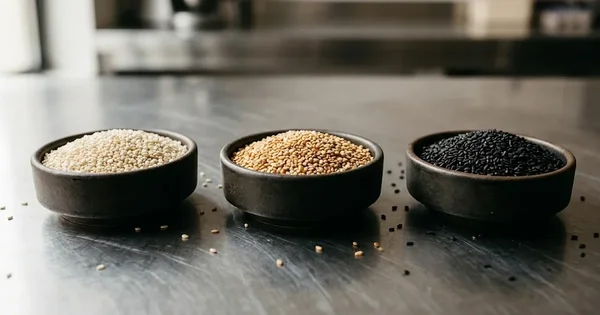
Sésame en gros : blanc, noir, grillé, et leurs usages
Guide pro du sésame en gros : blanc, complet, noir ou grillé. Usages culinaires, cuisson, prévention du rancissement et approvisionnement B2B chez Palimex.
 Grocery & Recipes
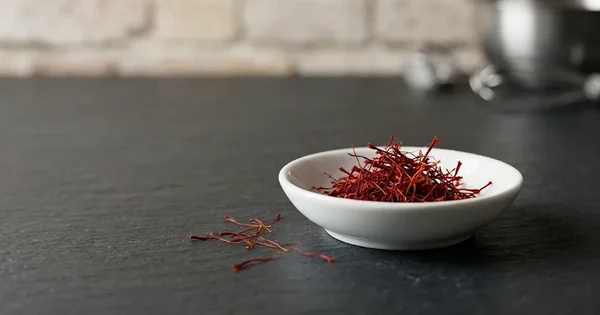
Safran en CHR : lire le grade, doser et repérer une falsification
Guide safran CHR : distinguer filaments et poudre, repérer les falsifications, réussir l'infusion et maîtriser le coût matière par portion en cuisine pro.
 Grocery & Recipes
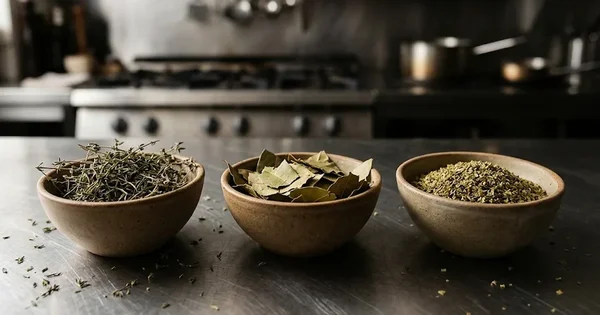
Herbes aromatiques séchées : rendement face au frais et conservation en réserve
Rendement herbes séchées vs frais, équivalences de cuisson, tolérance au séchage et stockage en réserve CHR : guide technique et logistique pour les pros.