
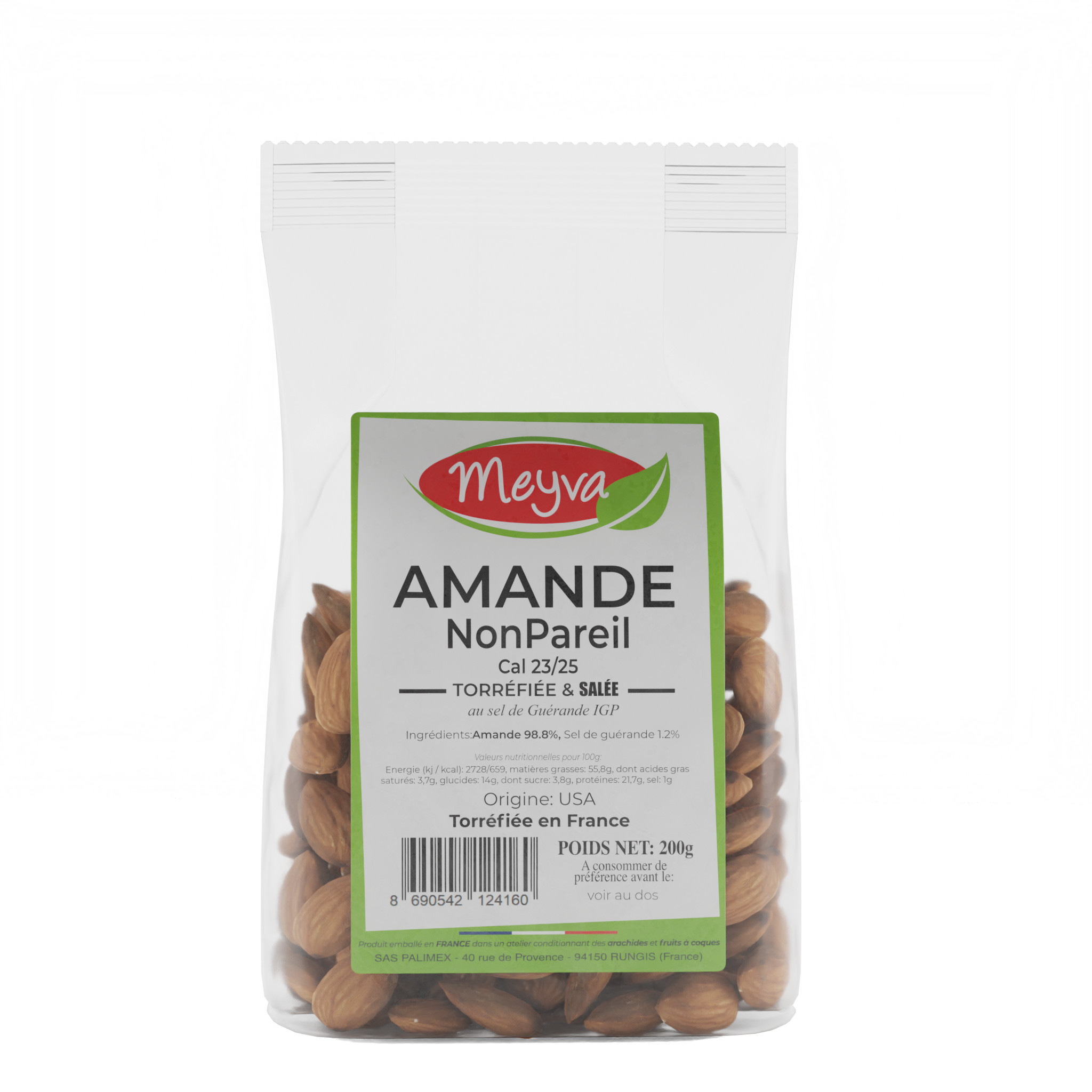
The benefits of choosing a wholesaler for your dried fruit needs
Discover the advantages of choosing a wholesaler for your dried fruit needs. Save money while ensuring quality and.
Key points for professionals
- Transparent sourcing: require batch-by-batch analyses from the supplier
- Stable storage: 12 to 18 °C with 50 to 60 % humidity
- Strict FIFO: labeling with 3 dates (entry, production, best-before)
- Repackaging: vacuum or nitrogen based on volume
- Quality control: hygrometer + organoleptic tests on each delivery
Restaurant owner, grocer, or mobile trader, sourcing from reliable suppliers offers many advantages. This article explains why it is wise to turn to a wholesaler for your dried fruit needs.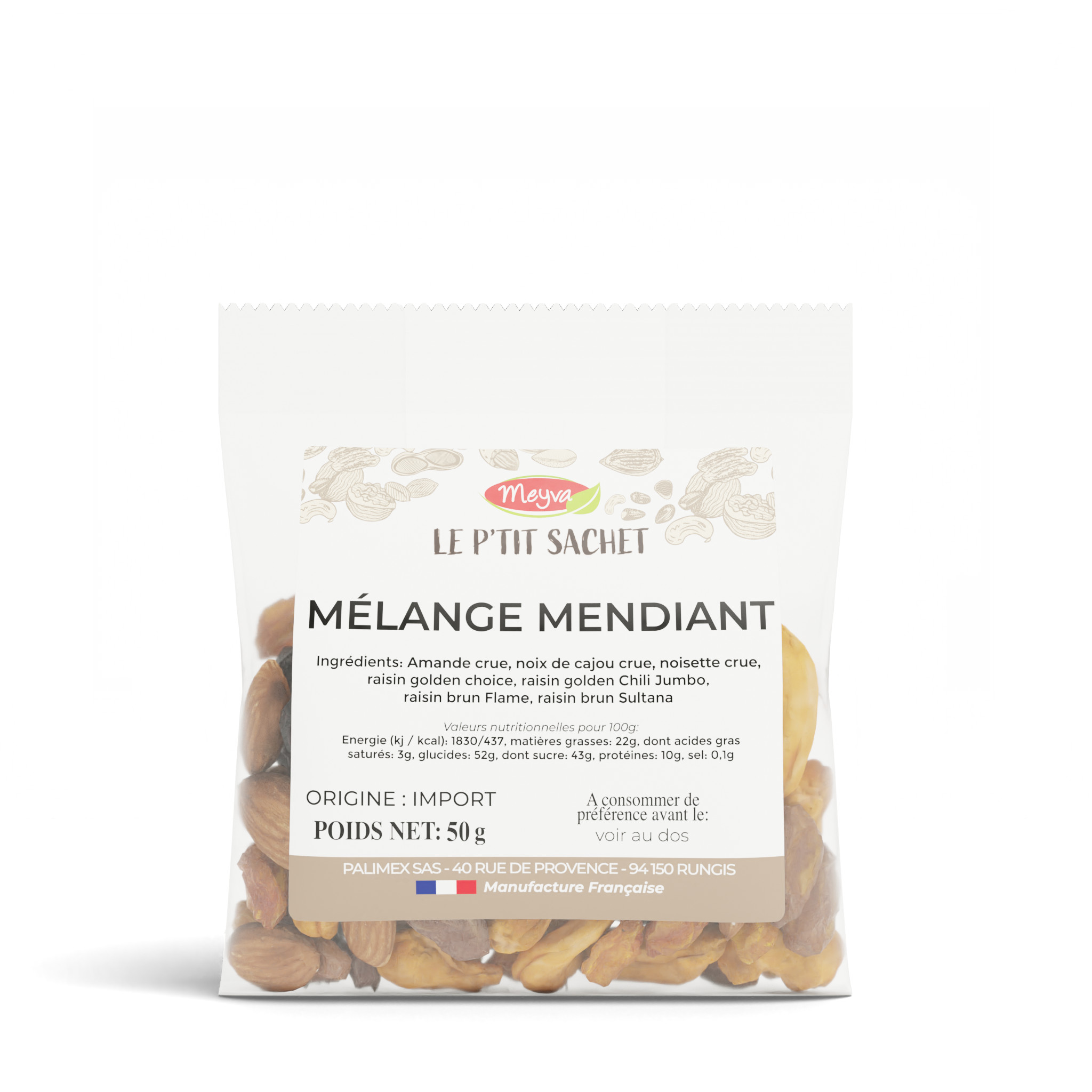
According to FranceAgriMer — agricultural market observatory, the quality and traceability of professional dried fruits rely on a controlled logistics chain and storage standards consistent with the international standards of the Codex Alimentarius.
Reliable partnerships for unmatched quality
One of the first advantages of choosing a wholesaler for your dried fruit needs is benefiting from an unparalleled quality guarantee. The latter maintains long-term partnerships with trusted suppliers. These relationships are developed both locally and internationally to offer a variety of products from around the world. Moreover, this allows them to distribute products almost year-round, regardless of the season.
Thanks to these direct exchanges, a wholesaler can ensure that its products meet the strictest standards in terms of freshness and taste. Whether in a physical store or online, the dried fruits offered undergo strict controls upon receipt and throughout the distribution chain. The absence of intermediaries in this process allows for close monitoring of their traceability, an important criterion for professionals attentive to quality compliance.
A diverse range of products to meet all needs
A dried fruit wholesaler has a varied selection of goods to cover all requirements. Whether it's large quantities of nuts, apricots, dates, figs, or prunes, this company has the quantities and types of products needed to meet your specific demands.
Furthermore, this diversity goes beyond the assortment itself. A wholesaler closely monitors consumption trends and adjusts its catalog based on new market demands. This enables them to supply innovative products designed to attract more customers.
Better budget management
Buying dried fruits in bulk offers the possibility of making considerable savings in the long term. The prices proposed by wholesalers can often be adjusted based on the quantity ordered. This attractive pricing allows professionals to control their budget while having access to quality products.
Another advantage of choosing a wholesaler for your dried fruit needs lies in the fact that group purchases reduce logistics and inventory management costs. By making your purchases from a single supplier, you simplify your supply chain. This results in lower administrative costs and transport fees. Additionally, this type of establishment offers the flexibility to order exactly the quantity needed to avoid waste.
An eco-responsible approach
Bulk purchasing from a wholesaler significantly reduces packaging waste. They distribute dried fruits packaged in recyclable containers, minimizing the use of single-use plastics. The variety of options offered, from sachets to buckets, allows businesses to choose the format best suited to their needs for optimal preservation.
Summary table of B2B standards
| Criterion | B2B Standard | Best Practice |
|---|---|---|
| Sourcing | Traced origins (Morocco, Tunisia, Iran, California) | Samples + batch-by-batch analyses |
| Quality | Moisture < 6 %, aflatoxin below EU threshold | Hygrometer + ISO 712 |
| Storage | 12-18 °C, 50-60 % ambient humidity | Vacuum or nitrogen for fatty products |
| Packaging | Multilayer sachets, INCO labeling | Allergens + supplier traceability |
| Logistics | Strict FIFO, 15-day inventory for sensitive items | 3 readable dates per container |
Further reading
Additional resources on our blog:
- choosing a dried fruit wholesaler
- storage guide
- top 10 dried fruits for pastry chefs
- breakfast trends in hospitality
B2B context and sector best practices
In a B2B market where quality requirements are constantly increasing — traceability, food safety, end-customer expectations — mastering these fundamentals constitutes a tangible and measurable competitive advantage. Players who secure their supply chain upstream protect their net margin downstream, and this often makes the difference between a wholesaler who maintains their order book over 5 years and one who sees their customers leave at the first cheaper competitor. The 2024-2026 period saw an 18 % increase in DDPP inspections in the dried fruit sector in France, a sign that regulation is tightening alongside consumer expectations. Penalties for non-compliance can quickly represent several months of gross margin, not to mention the reputational impact.
For a wholesaler, greengrocer, or restaurant owner, translating these standards into weekly operational routines makes the difference between a reliable supplier and a fragile player. The best practices described in this article apply regardless of your volume — from 50 kg per week to several pallets per day — with proportional adjustments in equipment and investment, but with the same methodological rigor. Quality does not decrease as volume increases; on the contrary, it becomes an even more strategic issue. This is precisely the philosophy that distinguishes the leading players in the professional dried fruit market in France.
On the commercial side, B2B customer satisfaction largely depends on consistency — a dried fruit must have the same taste, texture, and color from one batch to another. It is precisely this consistency that is compromised by common storage and management errors. Investing in staff training in the receiving and storage areas generally yields more than new equipment, at a much lower cost. Bakers, pastry chefs, caterers, and restaurant owners who are your end customers do not buy a price — they buy a guarantee of consistency, and they are willing to pay 10 to 15 % more for it.
The systemic approach remains the best: auditing your warehouse twice a year, measuring your losses as a percentage of stock, comparing these metrics to industry standards (3-4 % for a well-managed wholesaler, 1-2 % for the best players). These figures highlight the real levers for improvement and allow for prioritizing investments. Many operators focus on the purchase price, while the biggest savings are hidden in reducing storage and downstream logistics losses. A quick calculation: if you buy 200 tonnes per year at 8 €/kg and lose 5 % in storage, that's 80,000 € thrown away each year — much more than what a 10,000 € investment in well-chosen equipment costs over 5 years.
Upstream sourcing also plays a decisive role: a supplier transparent about their delivery moisture, drying times, and aflatoxin controls saves you several weeks of commercial shelf life. Prioritize supply chains that agree to share their batch-by-batch analyses rather than those that settle for a generic certificate. This difference in transparency directly translates into margin over 12 months of operation. Moroccan, Tunisian, Turkish, and Iranian supply chains are among the most structured on these issues today, provided you choose your contact carefully — a broker or a direct importer do not offer the same access to traceability information.
From a regulatory standpoint, DGCCRF and DDPP inspections focus on traceability chains, allergen labeling (nuts must be declared under INCO Regulation 1169/2011), and packaging compliance with migration standards. Non-compliances in dried fruits are generally due to incomplete labeling rather than a product defect. An internal audit of your labeling process every six months eliminates 80 % of regulatory risk at almost no cost. Fines can go up to 1,500 € per non-compliant batch, and the media coverage of a product recall generally costs much more in lost trust than the fine itself.
To go further, regularly exchange with your industry peers through professional federations (FIAC, ANIA, FNDPA, FFCD depending on your business). Feedback between operators is often more valuable than formal training and allows you to calibrate your practices on concrete and updated benchmarks. WhatsApp and LinkedIn groups dedicated to B2B dried fruits are also a goldmine of freely accessible information. Trade shows like SIRHA, ProSweets, and Marca Bologna remain essential events to stay market-aware and benchmark your practices against European leaders.
Finally, do not overlook the human dimension: a trained and autonomous team in the storage area detects anomalies within 24 hours, whereas an untrained team may let them slip for weeks. The cost of two days of training per year per operator is largely offset by the reduction in customer disputes and the quality of the product output. This is probably the highest ROI in the sector, yet the most neglected by operational management. With high staff turnover in food logistics, a structured onboarding program with a daily checklist becomes a real competitive asset in the medium term.
The recent evolution of the European market is pushing towards accelerated consolidation: medium-sized players (5 to 30 million in turnover) are the most exposed to pressure between very large players (Frutarom, Tate & Lyle, Olam) and agile artisans who capture the premium segment. To stay in the race, you must either grow quickly through external growth or specialize in a defendable niche — premium origins, organic, halal, IFS QS, kosher depending on your customer base. The middle position without strong differentiation is eroding year after year, it's mathematical.
A question?
Get in touch directly.
Our advice related to Pro-tips
Poids net, poids égoutté, tare : ce que le client paie vraiment
Poids brut, net, net égoutté sur olives et bocaux : méthode pour recalculer le coût matière réel et vérifier à réception. Guide pro CHR et épicerie fine.
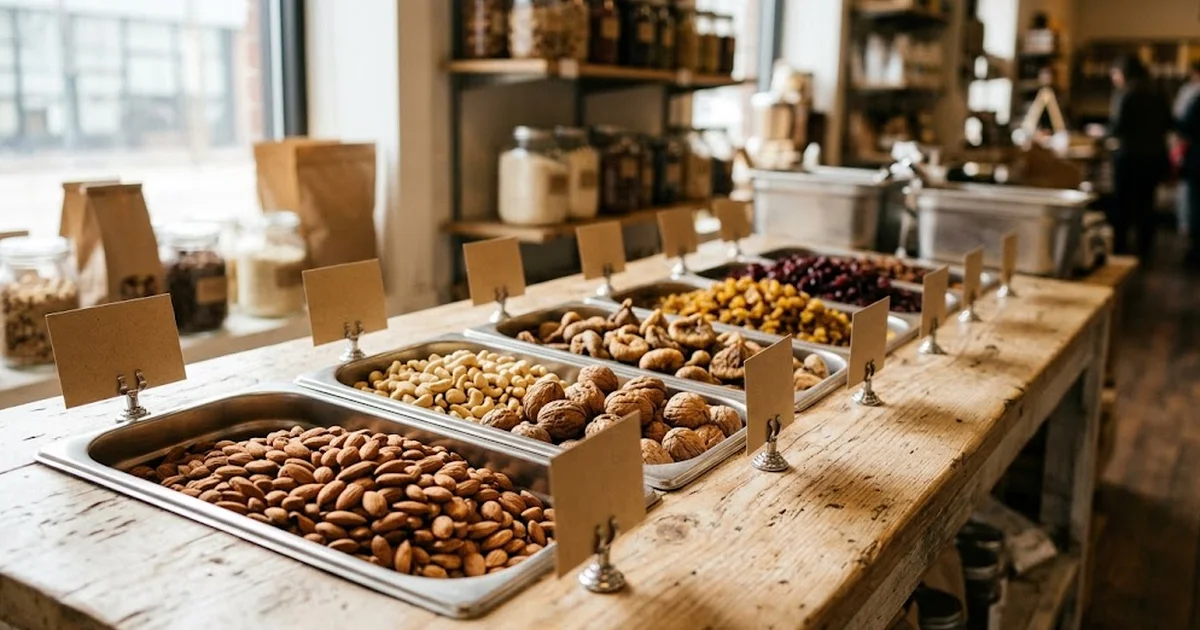 pro-tips
Vente en vrac : ce que la loi impose d'afficher au point de vente
Dénomination, allergènes, origine, DLUO, prix au kilo : ce que la réglementation impose d'afficher en rayon vrac. Guide pratique pour épiceries et primeurs.
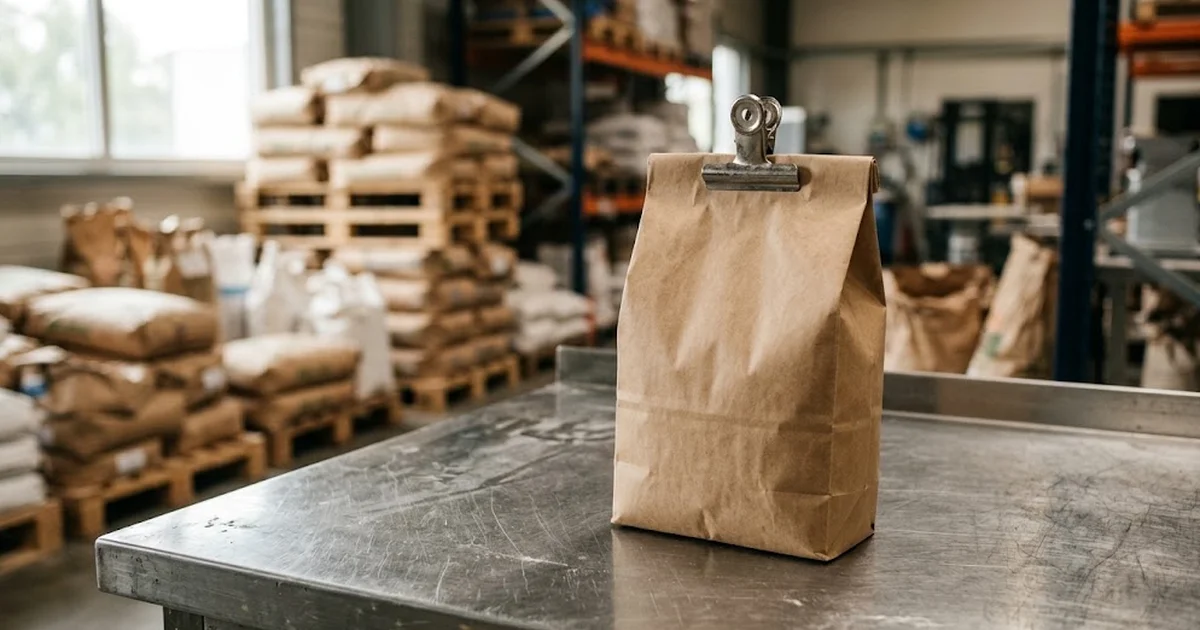 pro-tips
Étiquetage INCO : les mentions obligatoires sur un préemballé
Étiquetage INCO d'un préemballé : les 9 mentions obligatoires, qui est responsable lors d'un reconditionnement en sachets, et les bonnes pratiques B2B.