

Available products
4 references


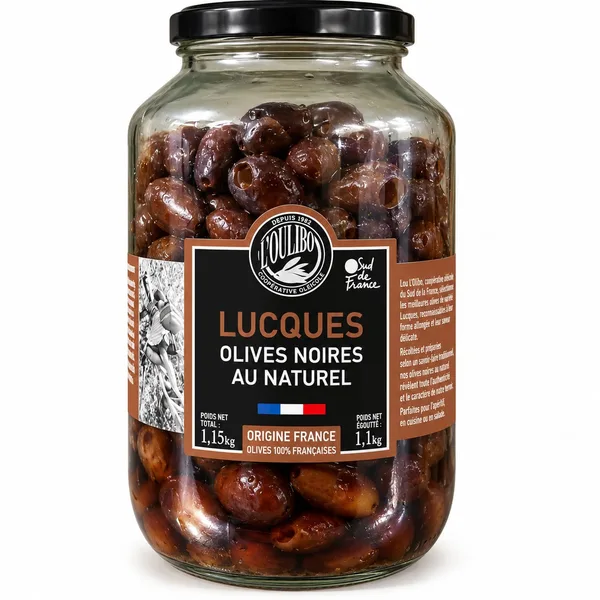
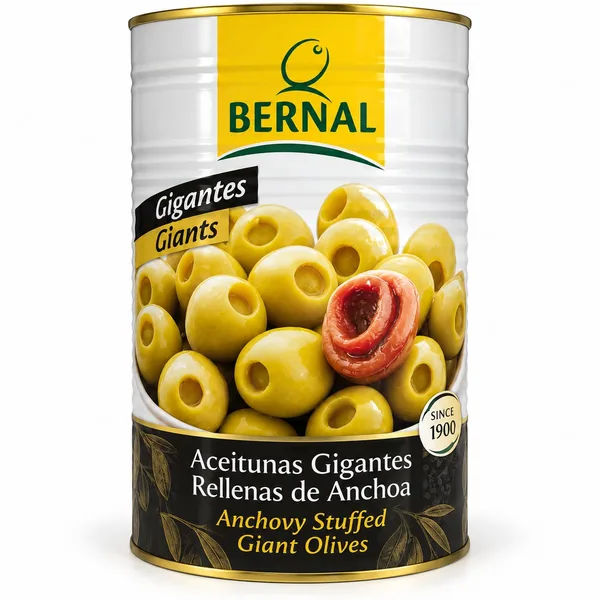

Looking for a wholesale dried fruit supplier?
I'm Jessica, your dedicated wholesale account manager.
Direct sourcing — Rungis and Bordeaux.
- ✓Direct sourcing from producers
- ✓Quality controlled (shelf-life, calibre, origin)
- ✓Next-day delivery in Île-de-France
- ✓Bulk, custom packaging, co-packing
- ✓B2B account with pricing tiers
B2B delivery & packaging
Rungis pickup
Pick up your order at our Rungis market depot. By appointment Monday through Friday.
Nationwide delivery
Delivery within mainland France and major European cities. Indicative lead time 24-48h.
Professional packaging
Bulk, 5 to 10kg buckets, 200g to 1kg bags
Frequently asked questions
Overview
The 2 kg olive bucket is a format designed for the professional kitchen: a volume that stores chilled, opens progressively and empties over a few days of service. For the restaurateur plating an apéritif, the caterer filling a buffet or the bar offering a starter, the pitted olive is a no-prep piece of service, ready for the plate at once.
Pitted olives: service convenience
The table olive is eaten ripe, after debittering and curing in brine or marinade. Pitting removes the stone before seasoning: the fruit, hollowed at its heart, takes up the marinade better and is eaten without effort. In catering, this convenience matters: the pitted olive spears onto a pick, sits as a garnish, slips into a starter, with no risk of the guest biting a stone.
Seasoned preparations — herbs, garlic, citrus, spices to the house recipes — turn the plain olive into a signature product. Made in France, these preparations suit the menu: a Mediterranean apéritif, a tapas plate, a coupe served on the terrace. The 2 kg bucket gives the chef the quantity to stock a full evening without returning to the kitchen.
The 2 kg bucket format: why this packaging
The choice of the 2 kg bucket answers several constraints of the trade. First, keeping: once opened, the bucket closes again and keeps chilled for several days, provided the fruit stays immersed in its brine or marinade. Then turnover: 2 kg is an in-between volume, neither too small for resale nor too large for a mid-sized establishment's throughput. Finally handling: a bucket is moved, decanted to a buffet, slipped into a refrigerated cell.
| Criterion | 2 kg olive bucket | Which uses for |
|---|---|---|
| Volume | 2 kg net | Evening service, buffet, on-menu apéritif |
| Storage before opening | Ambient, dry | Store-room stock, no cold footprint |
| Storage after opening | Closed, chilled, fruit immersed | Turnover over a few days |
| Handling | Reclosable bucket | Fast mise en place, buffet decanting |
A bucket of 2 kg nets a volume that, depending on the house's serving size, covers several evenings of normal trade for a set-aperitif restaurant, or empties in a single service for a buffet or a catered event. The right quantity therefore follows the menu as much as the calendar: order against the dishes that move, not against a fixed schedule.
Quality and traceability of the preparations
The quality of a table olive shows in several signs: a firm but not hard fruit, smooth skin, clear brine and a perfumed marinade without excess acidity. Over-soft olives, withered fruit or cloudy brine point to a keeping or preparation fault. Sourcing, brine control and respect for seasoning times make the difference between a fair service olive and one that lifts the menu. A supplier able to deliver the same reference year-round saves the kitchen from reworking its plating each time a batch changes.
We select our preparations for their consistency from batch to batch: a restaurateur ordering the same reference week after week must find the same flavour and texture, for a stable menu and a loyal clientele. Traceability information — batch, best-before date, preparation origin — accompanies every order.
The French olive sector is monitored by public establishments of the State, including FranceAgriMer, which publishes data and trends on the sector (FranceAgriMer). For a professional buyer, knowing the sector's framework helps gauge the solidity of a supply.
Buying olive buckets wholesale
Ordering pitted olive buckets wholesale means anticipating several points so that supply follows the establishment's pace.
- Real throughput: estimate weekly consumption to size the number of buckets and avoid both in-service shortages and dormant stock.
- Post-opening turnover: an open bucket must sell within a few days; order more smaller buckets rather than one too large if throughput is slow.
- Variety of seasonings: rotate preparations to offer a renewed apéritif menu, without spreading the order across too many references.
- Seasonality: anticipate peaks — year-end holidays, summer terrace evenings — to avoid running short at the busy moments.
- Traceability: keep batch and best-before information to meet professional obligations and guarantee the freshness served.
Find our olive preparations and other apéritif assortments in our bulk catering catalogue, designed for catering and hospitality buyers who want a single contact for their sourcing.