

Available products
12 references





Looking for a wholesale dried fruit supplier?
I'm Jessica, your dedicated wholesale account manager.
Direct sourcing — Rungis and Bordeaux.
- ✓Direct sourcing from producers
- ✓Quality controlled (shelf-life, calibre, origin)
- ✓Next-day delivery in Île-de-France
- ✓Bulk, custom packaging, co-packing
- ✓B2B account with pricing tiers
B2B delivery & packaging
Rungis pickup
Pick up your order at our Rungis market depot. By appointment Monday through Friday.
Nationwide delivery
Delivery within mainland France and major European cities. Indicative lead time 24-48h.
Professional packaging
Bulk, 5 to 10kg buckets, 200g to 1kg bags
Frequently asked questions
Overview
Few products carry the signature of a kitchen or a grocery shelf like olive oil: it dresses, cooks, finishes the plate and carries the image of the house all the way to the table. Buying wholesale olive oil therefore answers a double requirement: securing volumes so you never run out mid-service, and guaranteeing a consistent aromatic profile from one batch to the next, so your menu or shelf never changes face between reorders. Our range covers twelve references, from French varietal cuvées to oils from Greece and Algeria, from the finishing bottle to the kitchen drum.
A range built around aromatic profiles
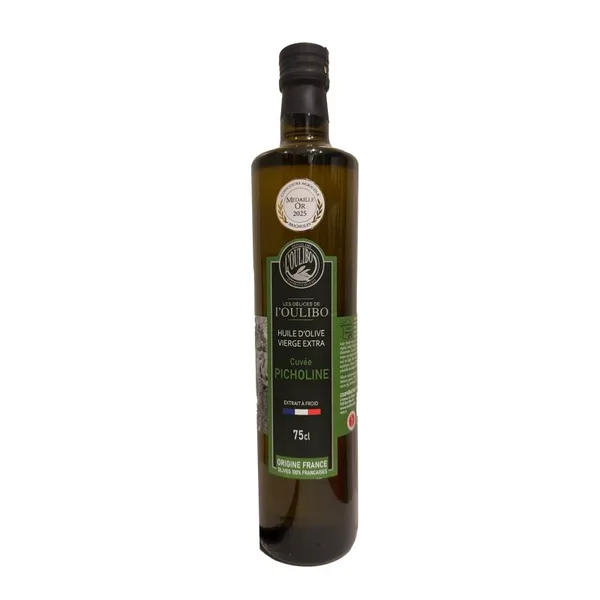
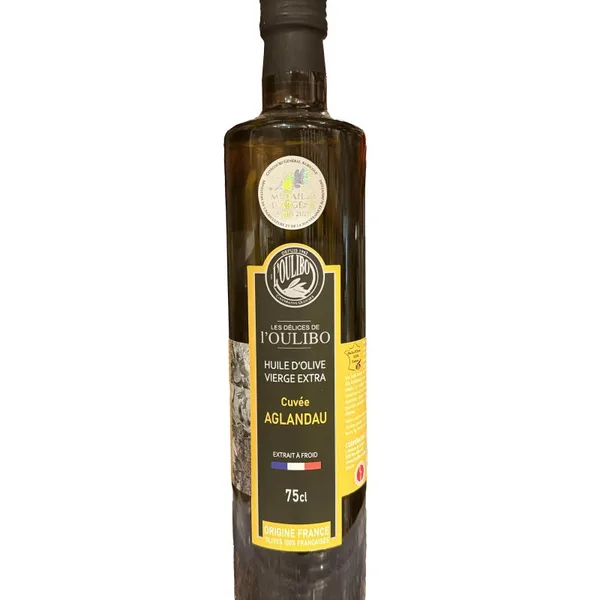
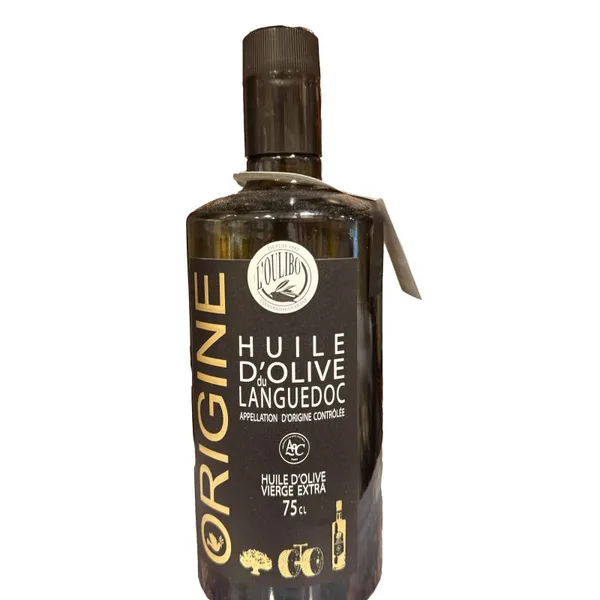
Choosing a professional olive oil starts with the profile you are after. The French varietal cuvées — Picholine and Aglandau — offer marked personalities much appreciated as a finishing drizzle; the Languedoc oil and the extra virgin Origin France play the national terroir card, an argument that reads well in the dining room and on the shelf label alike. On the Mediterranean side, Kalamata from Greece is the backbone of Greek and oriental kitchens, available in the working formats a brigade requires. Sitia oil, produced in Crete under a protected designation of origin with a stated acidity of 0.3, targets tables and grocers who want a visible marker of excellence. The extra virgin from Algeria completes the range for North African cooking, and the pili-pili flavoured oil brings a ready-to-use spicy finish.
Which olive oil for which trade?
The most useful segmentation is not by origin but by workstation: a single kitchen rarely uses one oil only, and smart buying means assigning each reference where it serves best.
- Restaurateurs and hospitality: 12 × 1 L cartons or the 9 kg Kalamata drum for everyday cooking; 75 cl cuvées for dressing and table service.
- Caterers: litre formats for production, pili-pili oil in 250 ml to lift grills, pizzas and buffets with no extra prep.
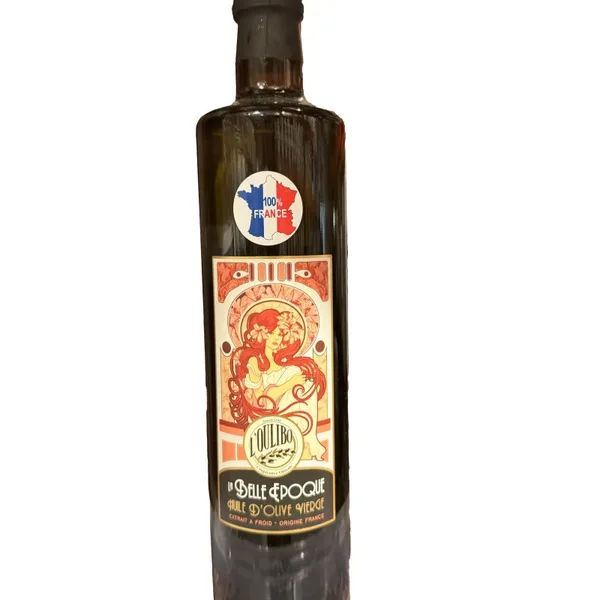
- Fine grocers and resellers: Dorica La Belle Époque bottles, Picholine and Aglandau cuvées, PDO Sitia in 50 cl — bottles that build the facing.
- Distribution and retail: 6 and 12-bottle case counts, palletisable volumes and reliable stock rotation order after order.
Wholesale olive oil references compared
| Reference | Case format | Recommended use |
|---|---|---|
| PDO Sitia from Crete (0.3 acidity) | 12 × 50 cl, 12 × 75 cl | Fine grocery, premium tables |
| Picholine and Aglandau cuvées | 6 × 75 cl | Finishing, resale, origin-led menus |
| Languedoc, extra virgin Origin France | 6 × 75 cl | French terroir, dining room and shelf |
| Kalamata from Greece | 12 × 1 L, 9 kg drum | Cooking, high rotation |
| Extra virgin from Algeria | 12 × 75 cl | North African cooking, grocery |
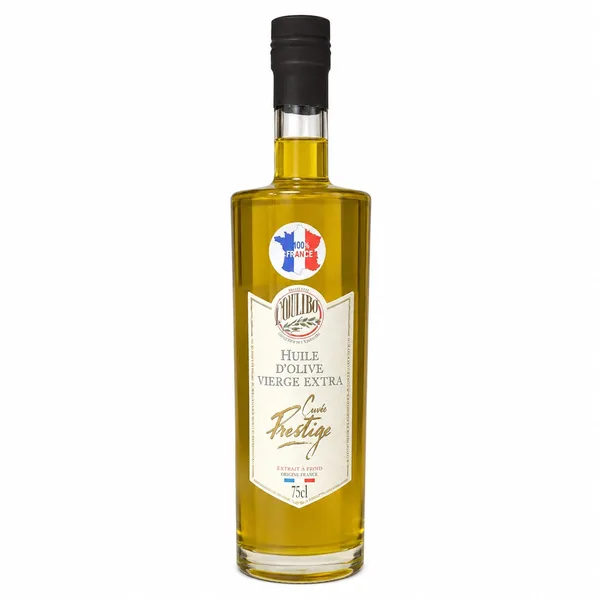
| Dorica La Belle Époque, Kendo Win Prestige | 6 × 75 cl | Premium facing, gift sets |
| Pili-pili flavoured | 6 × 250 ml | Spicy finishes, service |
What professional buyers should look at
The first criterion is the regulatory grade: the words "extra virgin" designate the top class of the European classification, based on physico-chemical criteria — including acidity — and sensory assessment. It appears on the label of every reference, together with origin. Then come the profile (a green fruitiness, more vegetal and peppery, versus a ripe fruitiness, rounder and sweeter), consistency between batches — decisive when a signature recipe rests on one specific oil — and the match between format and workstation: you do not serve from a drum, and you do not cook with a collector's bottle.
The container matters as much as the content. Glass, especially a shaped bottle like the Dorica, protects the oil and dresses the shelf as well as the table; litre cartons and the 9 kg drum cut the cost per litre and the handling in the kitchen. For resale, think in purchase gestures too: the 50 cl PDO suits gifting and discovery, the 75 cl suits regular repurchase, the litre suits volume customers.
We advise splitting the purchase into two lines: a "working" oil in litres or drum for cooking and bases, and a "signature" oil in 75 cl for finishing and the table. This simple split stabilises ingredient cost without sacrificing the plate — and it runs perfectly well on just two references.
Storage, regulation and logistics
Olive oil dislikes light, heat and oxygen. Store cartons in a temperate room away from daylight, close opened containers carefully and avoid decanting into translucent vessels in the kitchen; run first in, first out rotation based on the best-before dates printed on every label. Commercial grades, labelling requirements and origin rules for olive oil are governed at European level, notably by Delegated Regulation (EU) 2022/2104 on marketing standards.
On the logistics side, every order ships in reinforced cartons with protective wedging — precious for glass — and batch traceability labelling. Delivery covers mainland France and major European cities within an indicative 24 to 48 h, with collection available at our warehouse at the Rungis wholesale market (M.I.N.), by appointment Monday to Friday. And since 1984, our team has steered every buyer towards the right packaging for their volumes.